Animal responses: choice chamber or maze method A Level Biology
In this investigation, students are to investigate the behaviour of maggots using either Choice Chambers or a cardboard maze. They are assessed on their safe and ethical use of living organisms alongside their use of appropriate equipment and health and safety. Statistical analysis is also used during this required practical.
There are a number of different variables which could be investigated here such as reaction to light conditions and moisture.
Subject: Biology | Level: A Level |
You will need:
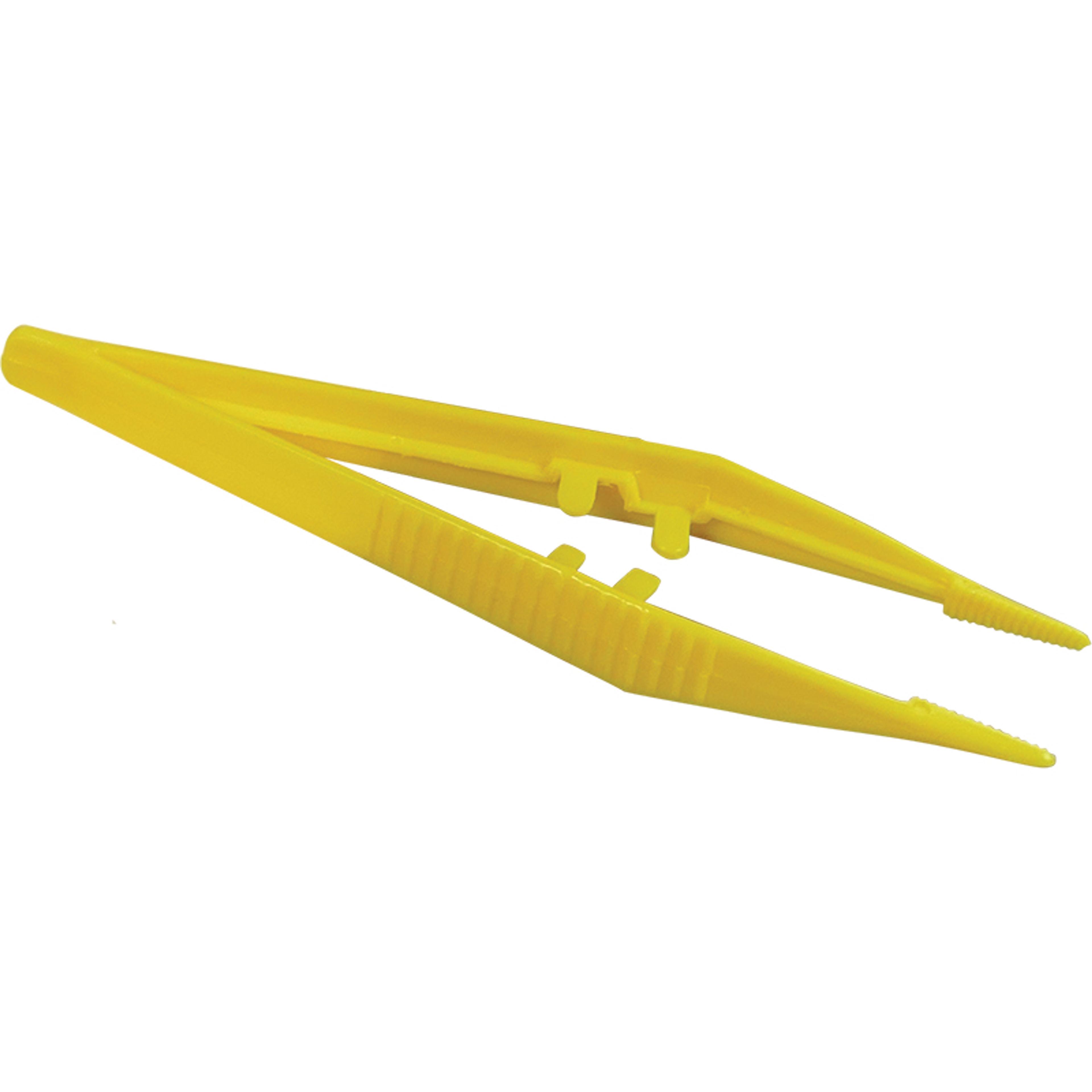
• Plastic forceps
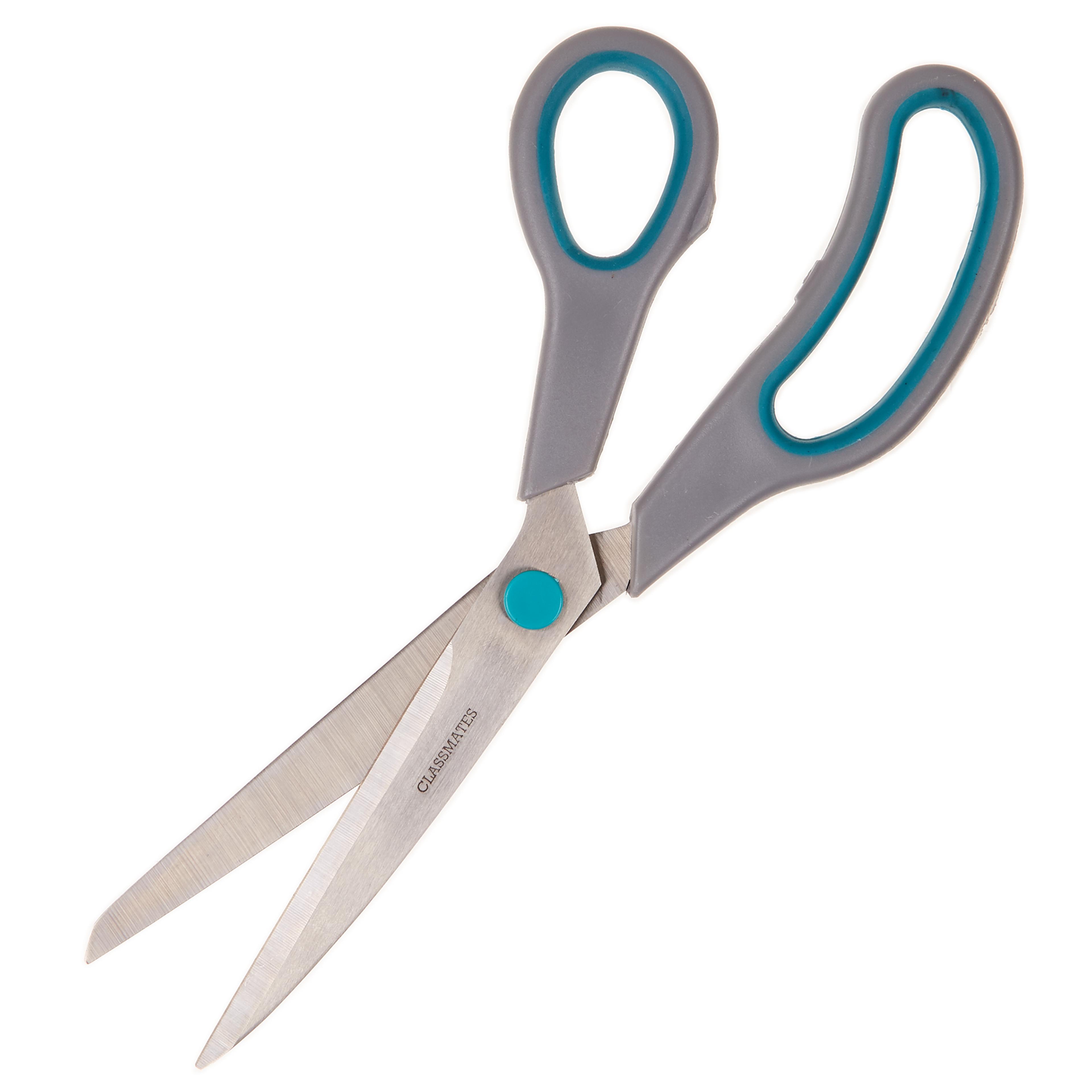
• Scissors
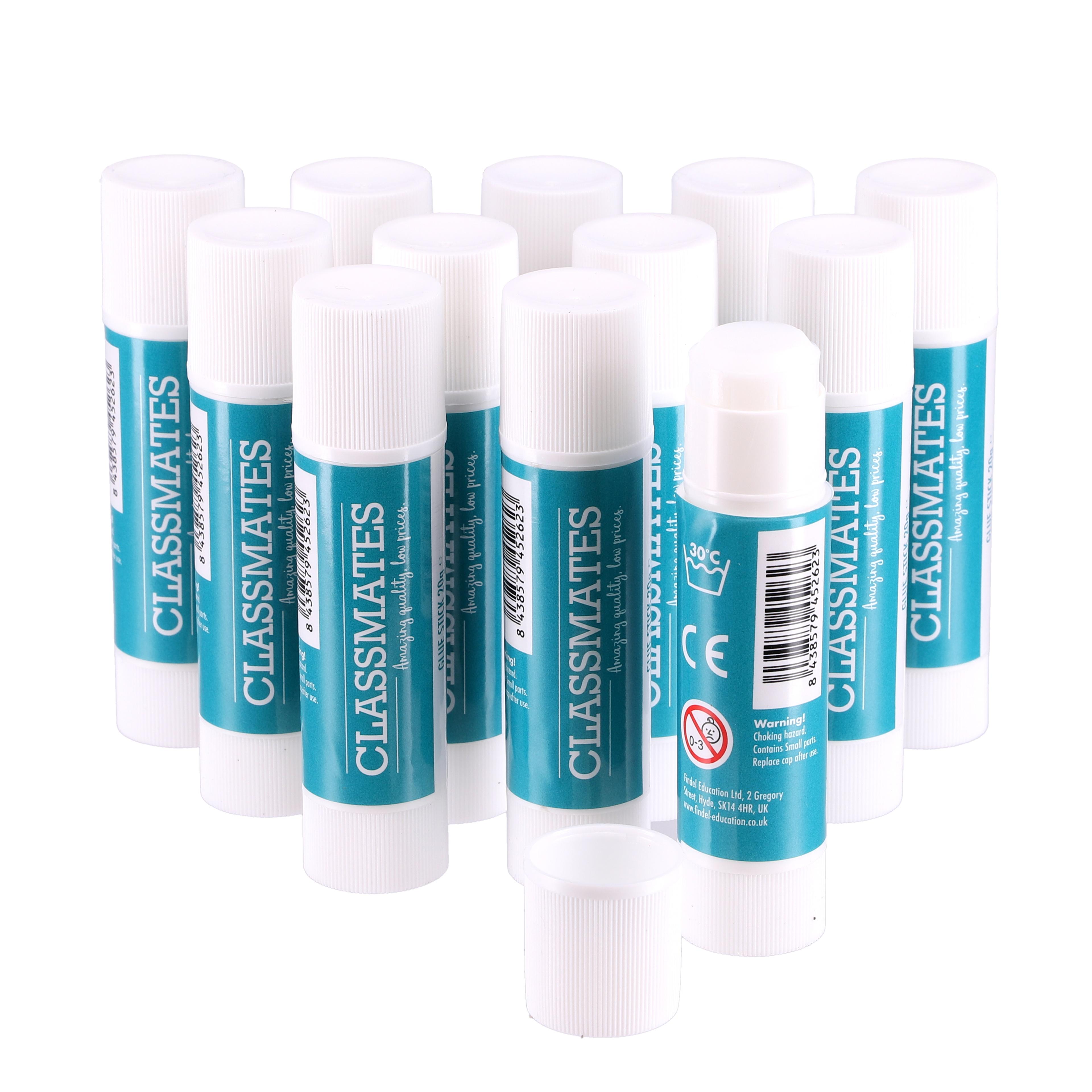
• Glue
• Cotton wool buds
• Plastic teaspoon
• Muslin cloth
• Maggots
• Black card
• Silica gel
• CLEAPSS HAZCARD 86A
Method
Choice Chamber Method:
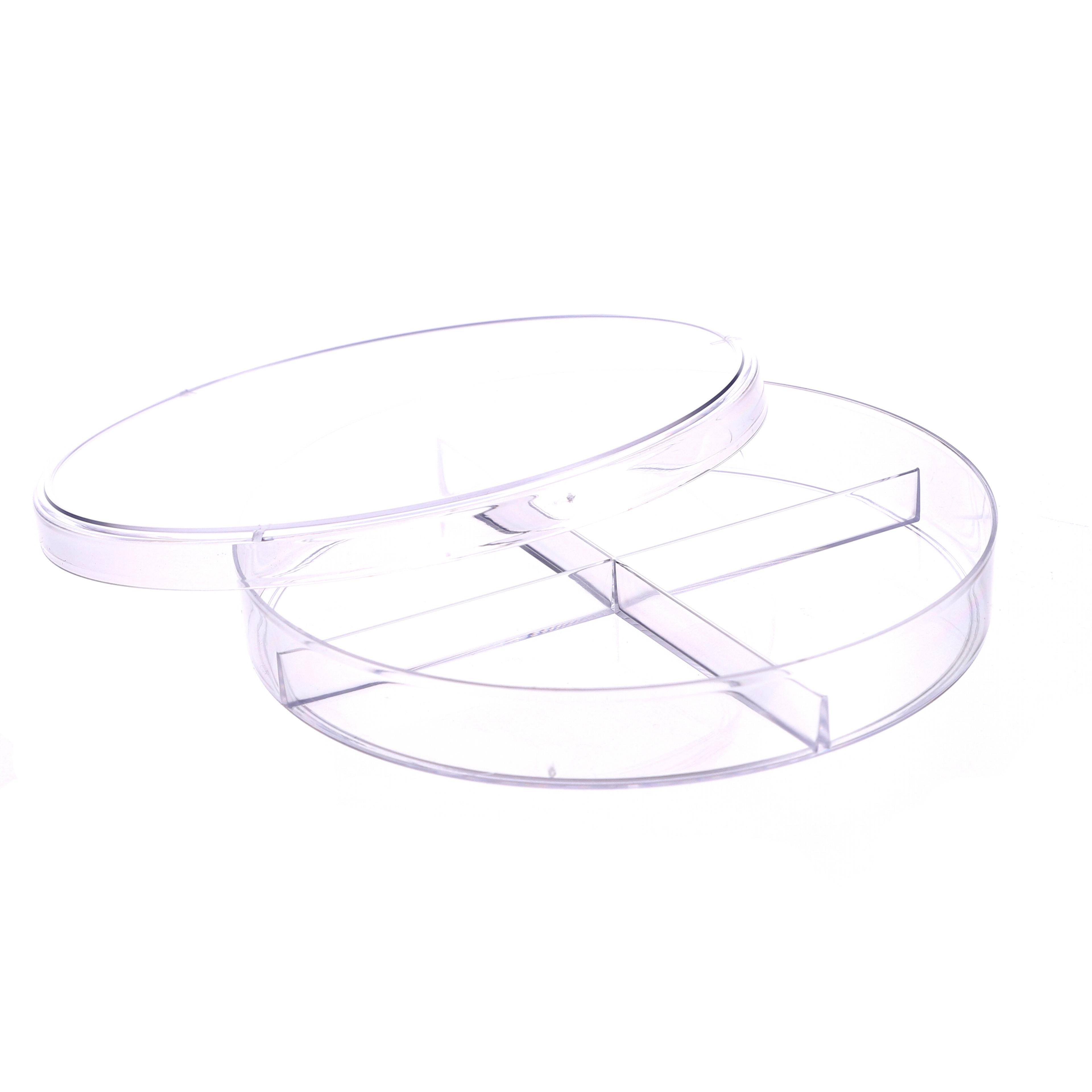
Students begin by conducting a control experiment using their choice chamber and no adjustment to the environment. A piece of Muslin is placed between the two halves of the choice chamber to provide a surface for the organisms to move along.
10-14 maggots are carefully collected and are added to the centre of the choice chamber onto the muslin surface. After 5 minutes, students count the number of organisms in each half of the choice chamber. The expected result would be six in each side of the choice chamber, but this is not always the case. Students use statistical analysis here to discover the possibility of the result being due to chance. If this is less than 5%, the experiment can continue.
Students can now investigate how the organisms react to light. This is carried out by carefully removing the organisms from the choice chamber. The choice chamber is prepared by covering one half of the choice chamber in black card, this should include the side of the chamber as well as the top facing surface.
10-14 maggots are carefully collected and are added to the centre of the choice chamber onto the muslin surface. After 5 minutes, students count the number of organisms in each half of the choice chamber. If light has no effect, the expected result would be six in each side of the choice chamber, but this is not always the case. Students use statistical analysis here to discover the possibility of the result being due to chance. If this is less than 5%, the experiment can continue.
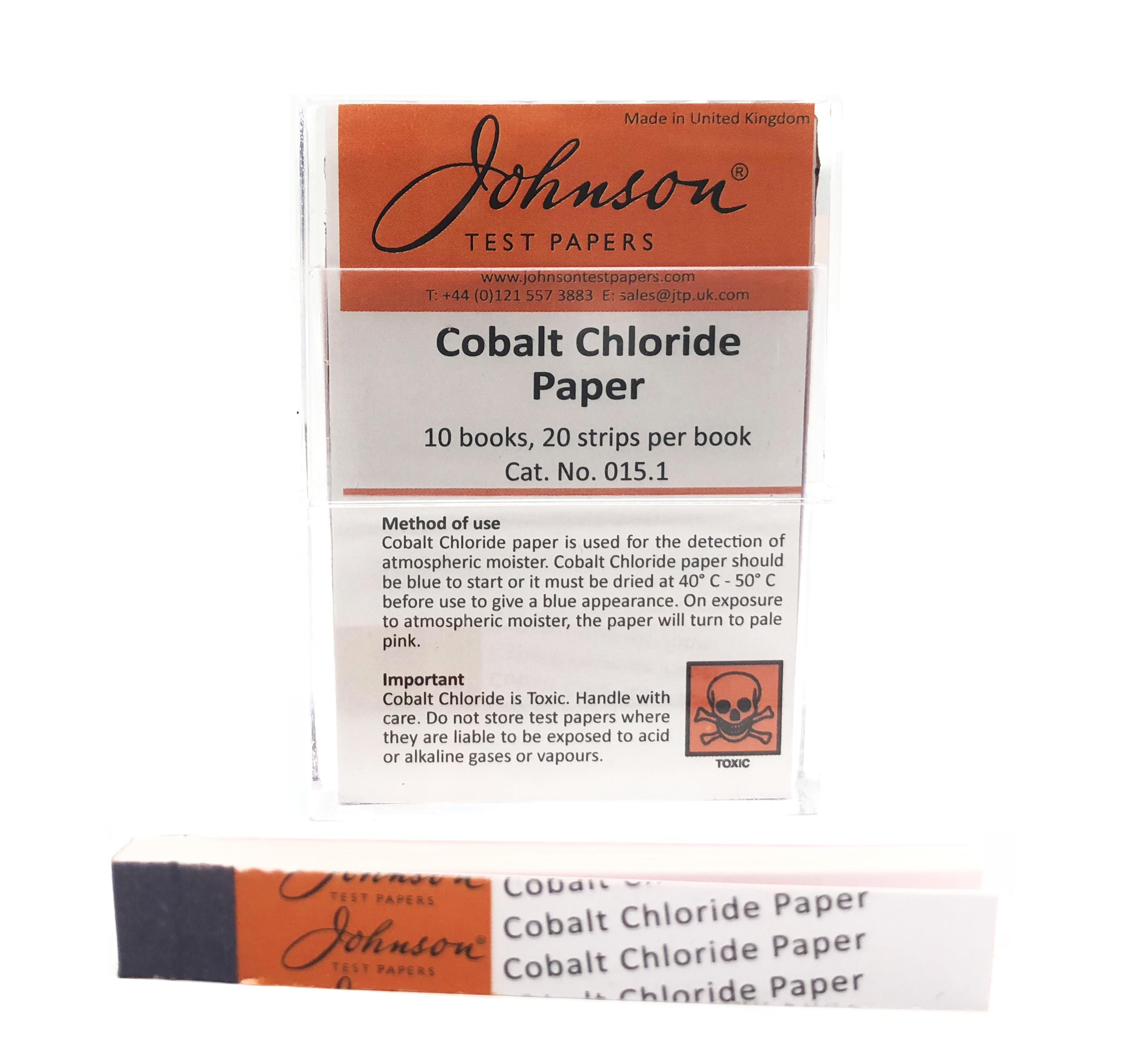
Students can now investigate how the organisms react to humidity. This is carried out by carefully removing the organisms from the choice chamber. The choice chamber is prepared by placing a small amount of wet cotton wool into one half of the base of the choice chamber and silica gel is added to the other half of the base of the choice chamber. The sheet of muslin is put back into place. Test the humidity difference (gradient) using forceps by placing a piece of cobalt chloride paper between the lid and base of the petri dish (on top of the muslin) on both sides of the chambers and wait 5 minutes.
10-14 maggots are then carefully collected and are added to the centre of the choice chamber onto the muslin surface. After 5 minutes, students count the number of organisms in each half of the choice chamber. If humidity has no effect, the expected result would be six in each side of the choice chamber, but this is not always the case. Students use statistical analysis here to discover the possibility of the result being due to chance. If this is less than 5%, the experiment can continue.
Students can now investigate the organisms reactions to light and humidity together. The choice chamber is prepared in the same way so that the 4 chambers have the following conditions included: Dry and Light, Dry and Dark, Wet and Light, Wet and Dark.
10-14 maggots are carefully collected and are added to the centre of the choice chamber onto the muslin surface. After 5 minutes, students count the number of organisms in each quarter of the choice chamber. If light and humidity have no effect, the expected result would be three in each compartment of the choice chamber, but this is not always the case. Students use statistical analysis here to discover the possibility of the result being due to chance.
Maze Method:
Using the template provided assemble maze using the scissors and glue.
Cut out any barriers and place into the maze as shown on the instructions.
Carefully place a maggot into the maze at a suitable location and record whether the maggot turns left or right when it arrives at the T junction.
Carefully remove the maggot from the maze, and wipe the inside of the maze with a cotton wool bud.
Repeat these steps until you have recorded results for 10 different maggots.
If a maggot stops moving remove it from the maze and use a different maggot.
The experiment should give equal numbers of maggots turning left and right.
You can try this experiment to investigate the effect of different variables, such as light. Cover one side of the maze with black card, and then the other side.
Students can now investigate a behaviour called turn alternation. If an animal is forced to turn in a certain direction, the next time it is given a choice, it is more likely to turn in the opposite direction. Students can use their maze to show if maggots exhibit this behaviour.
Using the maze constructed in part one, remove any barriers that may have been placed there for part one of the experiment.
Place a maggot in a spot where it can only turn one way to reach the T junction. Once the maggot arrives at the T junction, record if it turns left or right.
Repeat this for a further 9 maggots, again removing any maggots that don’t move for another one.
Record all your results in a suitable table.
If a maggot exhibits turn behaviour it will turn the opposite way to the way it forced to go at the first turn.

Technician tips
Maggots should be handled gently and carefully.
Maggots can be sourced from fishing tackle and bait shops. These are usually sold in pints. Depending on class sizes and number of classes, a half to one pint of maggots will suffice. These will need to be stored in an appropriately vented container such as a maggot box, also available from tackle shops.
A template for the maggot maze can be found online. These could be prepared in advance and re-used for multiple classes, or students can assemble them themselves.
Cobalt Chloride Papers should be dried before the experiment. This can be done inside a desiccator using silica gel or anhydrous Calcium Chloride, or in a laboratory oven set to under 100°C. Cobalt Chloride papers should always be handled with forceps to prevent skin moisture having an effect.