Investigating cell membrane permeability A Level Biology
Students use beetroot to measure changes in cell membrane permeability, by the amount of red pigment (betalain) that leaks from the beetroot cells. Higher temperature or solvent concentration increases membrane fluidity, damaging the membrane and releasing more pigment, resulting in higher color absorbance.
Subject: Biology | Level: A Level |
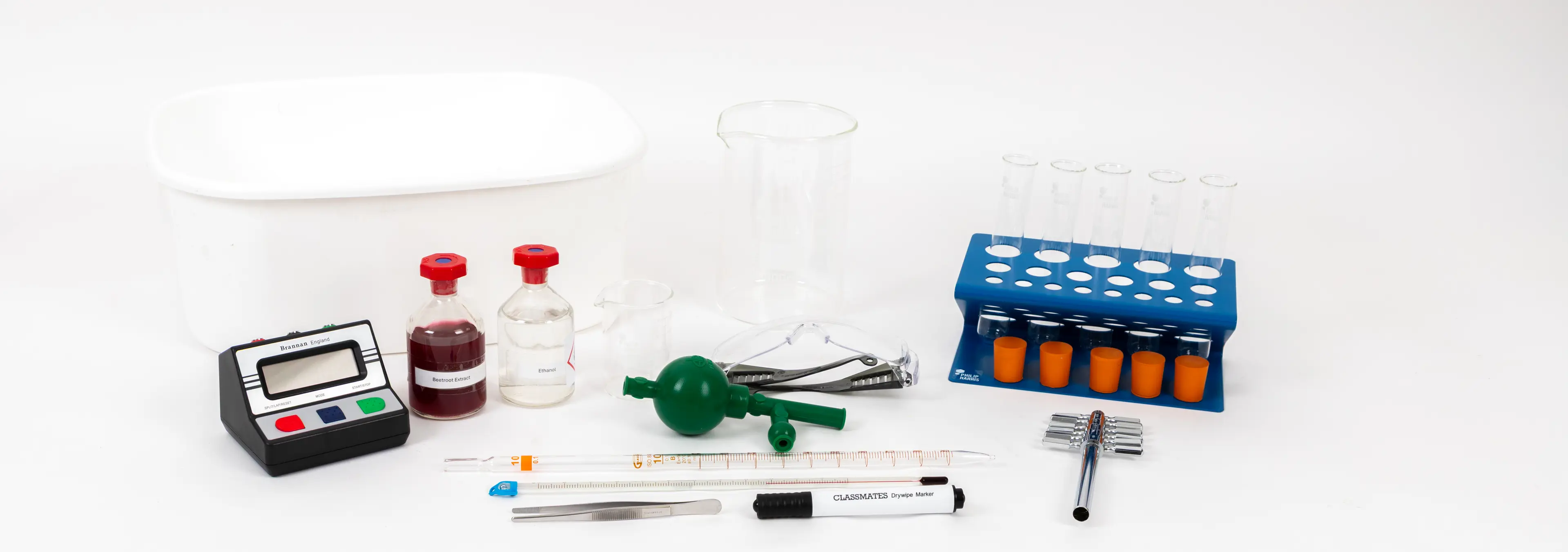
You will need:
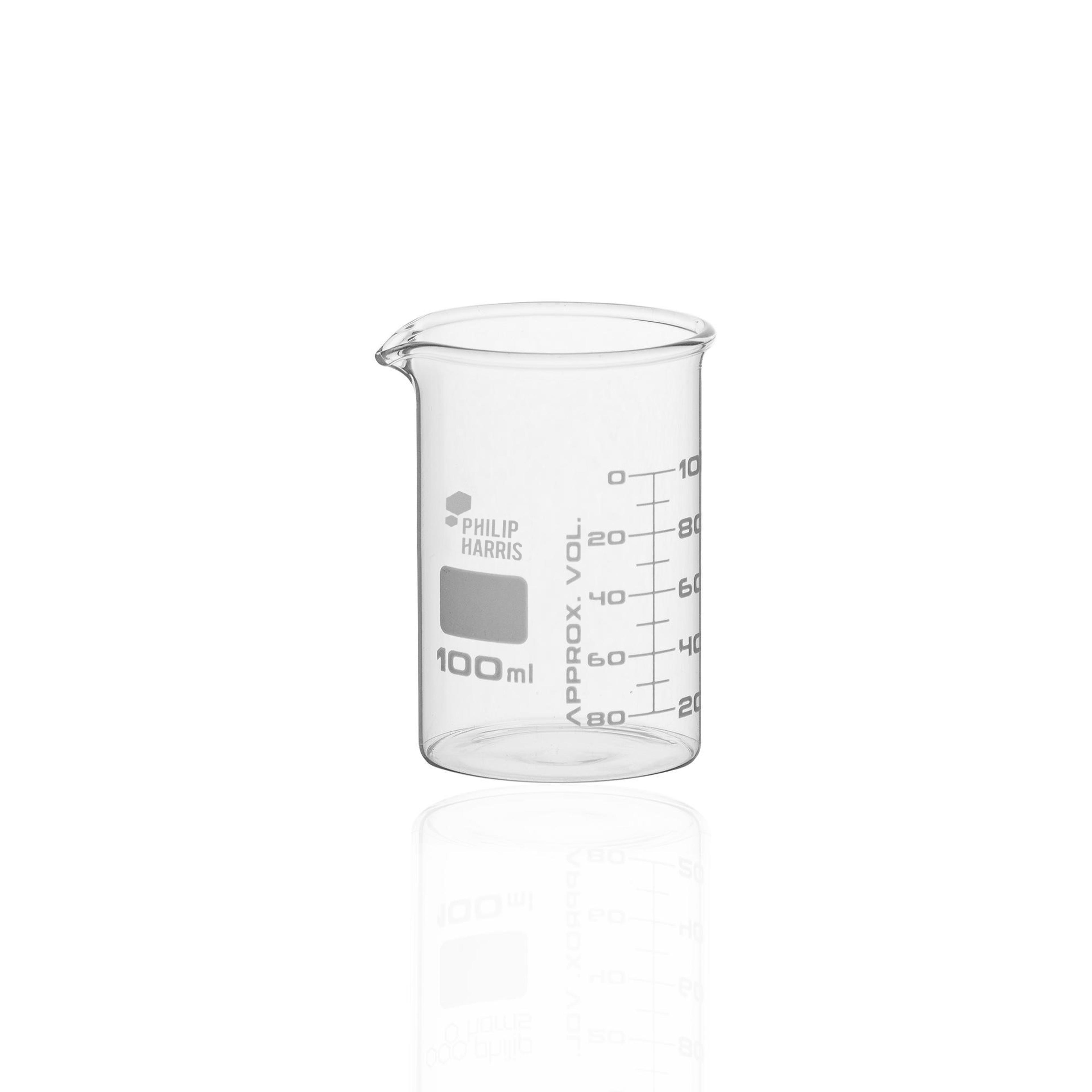
• Washing up bowl
• Water Bath
• Ethanol
• Beetroot
Method
Part One – Making the colour standard:
Students are provided with 5 different concentration of alcohol (100%, 80%, 60%, 40%, 20%).
Using the provided Beetroot extract provided, student are required to produce six different concentrations of the stock solution. The chosen concentrations should be equally spaced and vary across the range of pure water (0%) and pure extract (100%).
Label the standards as 0,2,4,6,8,10
Record the concentration of the standards in a suitable table.
Part Two: The Investigation:
Set the water bath to 30°C
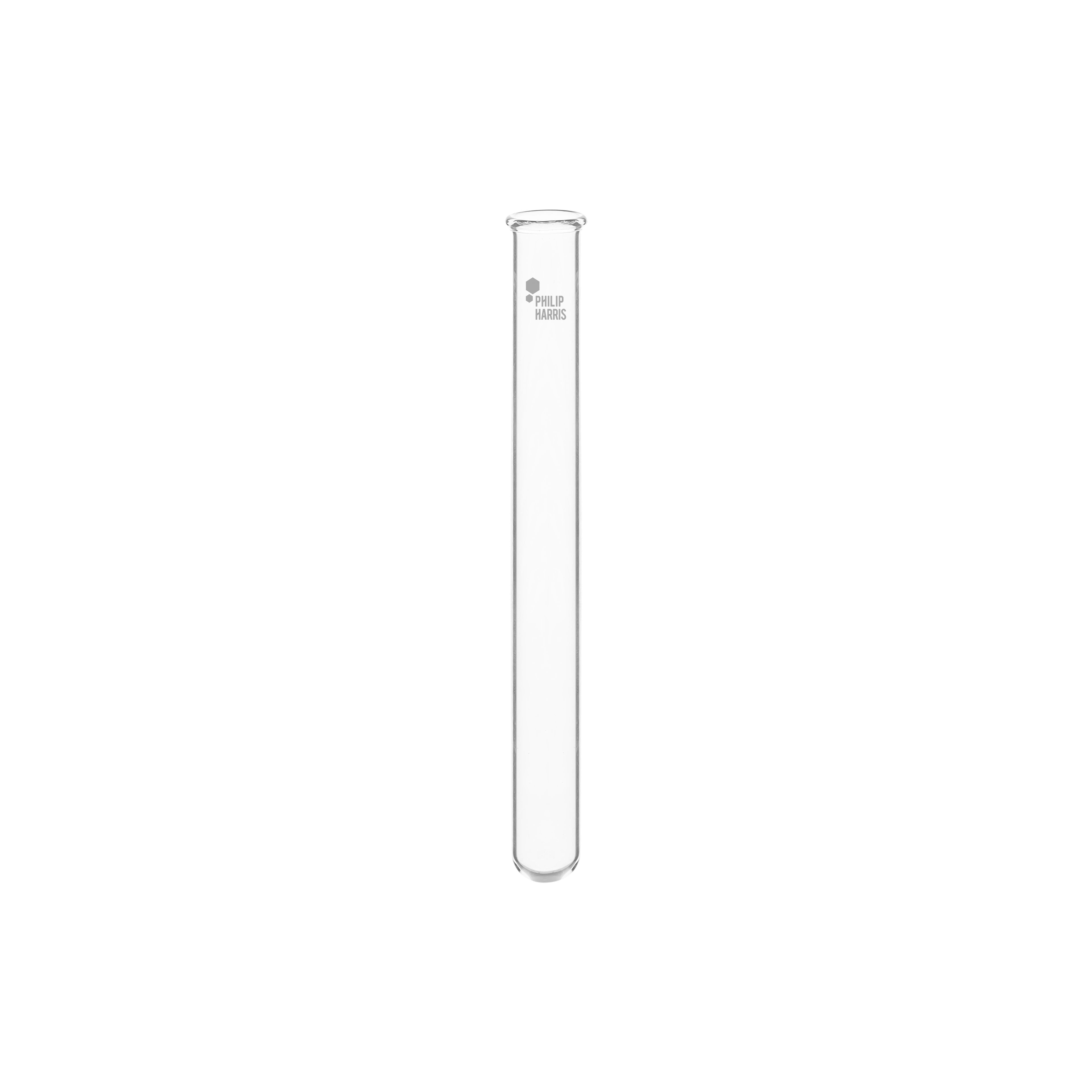
Label a second set of boiling tubes with concentrations of the provided alcohol solutions.
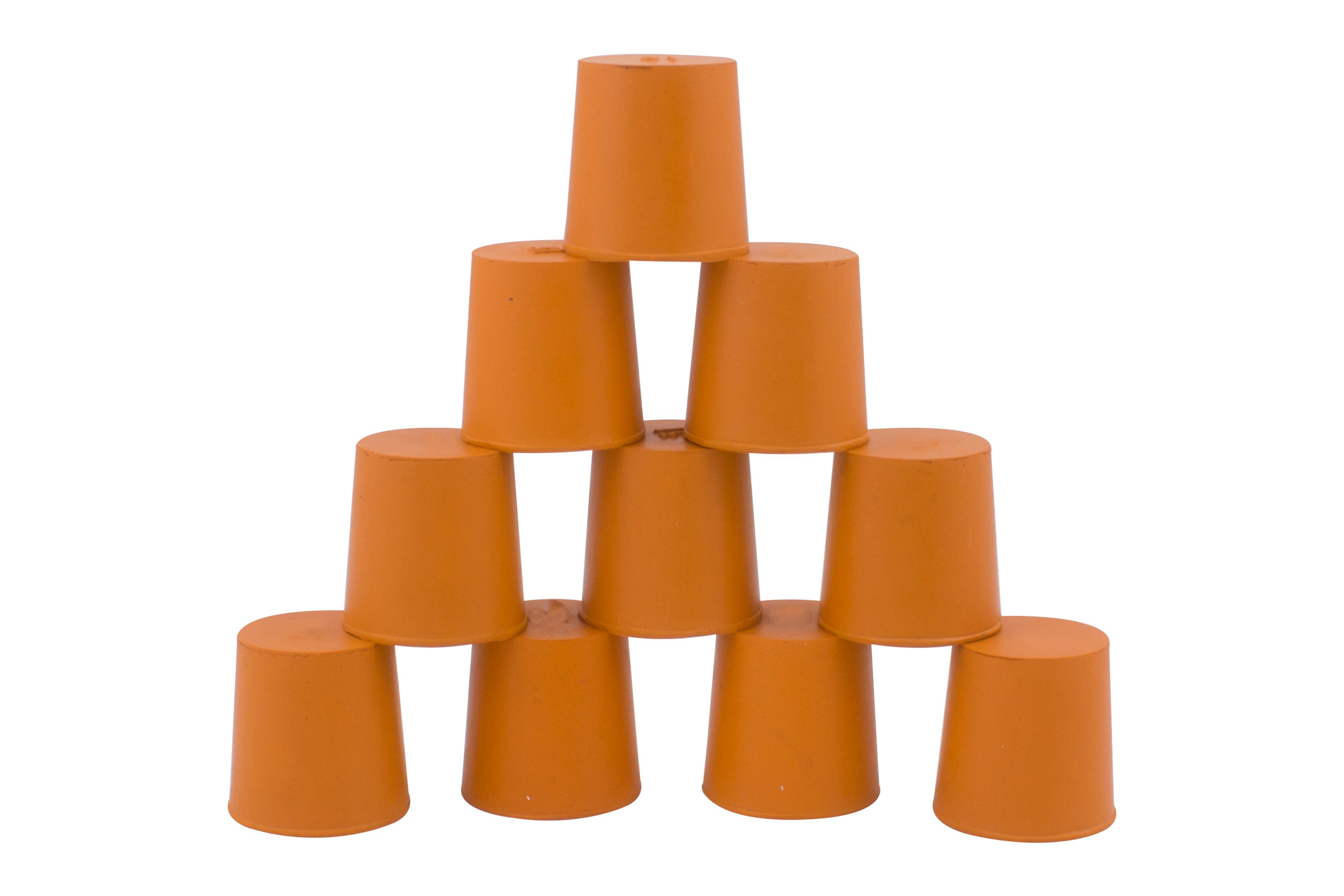
Add 2cm³ of the corresponding concentration of alcohol to the tubes. Do this one at a time, and place a bung in the top of the boiling tube immediately after filling.
Place the boiling tubes in the rack and then place the rack into the water bath, and leave until the alcohol reaches 30°C.
Using some paper towel, blot 10 discs of beetroot to remove any excess water.
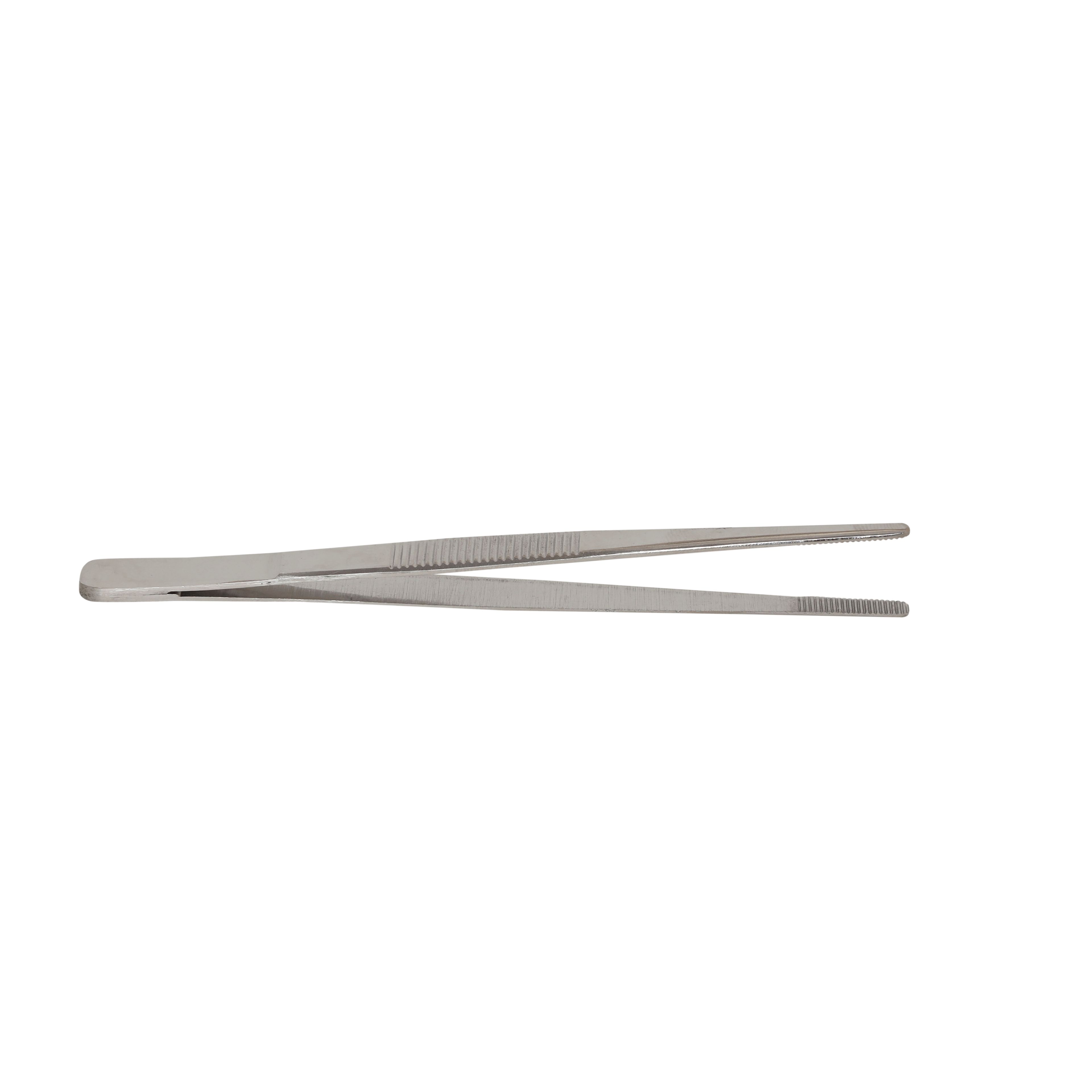
Place 2 discs in each of the boiling tubes, using the forceps, replacing the bungs as soon as the beetroot is placed in the tubes.
Shake the boiling tubes once a minute, over a period of 5 minutes. Then remove from the water bath.
Immediately pour the contents of each boiling tube into a clean, labelled boiling tube, and discard the beetroot discs.
Visually compare the colour of the samples to the standards you prepared in part one of the experiment and note which of the standards matches the samples you have just prepared, and record your observations in a suitable table.

Technician tips
Fresh beetroot is required for this practical, the results will be affected if frozen is used.
The stock solution of beetroot can be prepared by adding 20 discs of beetroot to 20cm³ of 100% alcohol. Shake the contents every minute over a period of 10 mins, then remove and discard the beetroot discs.
We have used Ethanol, but Methanol will work equally as well.
The quantities above are for one student/ group so will need adjusting depending on the class size.
A small sieve may come in handy for washing the beetroot.
This practical can be modified to allow students to use a colorimeter (Mystrica Colorimeter (B8R03174)).
If using a colorimeter the method will need to be modified as follows:Prepare the standards in the same way.
Set up the colorimeter and calibrate using water to zero the colorimeter
Place each of the standards in the colorimeter and measure the absorbance
Record your results in a suitable table, then plot a graph to show extract vs absorbance.
Carry out part two of the method on the same way and instead of visually inspecting your samples, place them in a cuvette and then place in the colorimeter and measure the absorbance.
Use your graph to read the concentration of the sample from the % absorption.