Rate of enzyme controlled reaction A Level Biology
In this required practical, students are expected to investigate the effect of a chosen variable on the rate of an enzyme-controlled reaction. Students could investigate factors such as the effect of pH, temperature or concentration. We have focused on the method for the effect of temperature on the rate of the reaction catalysed by Trypsin.
Students are examined on their use of appropriate apparatus and reagents and their ability to use these in a safe manner.
Subject: Biology | Level: A Level |
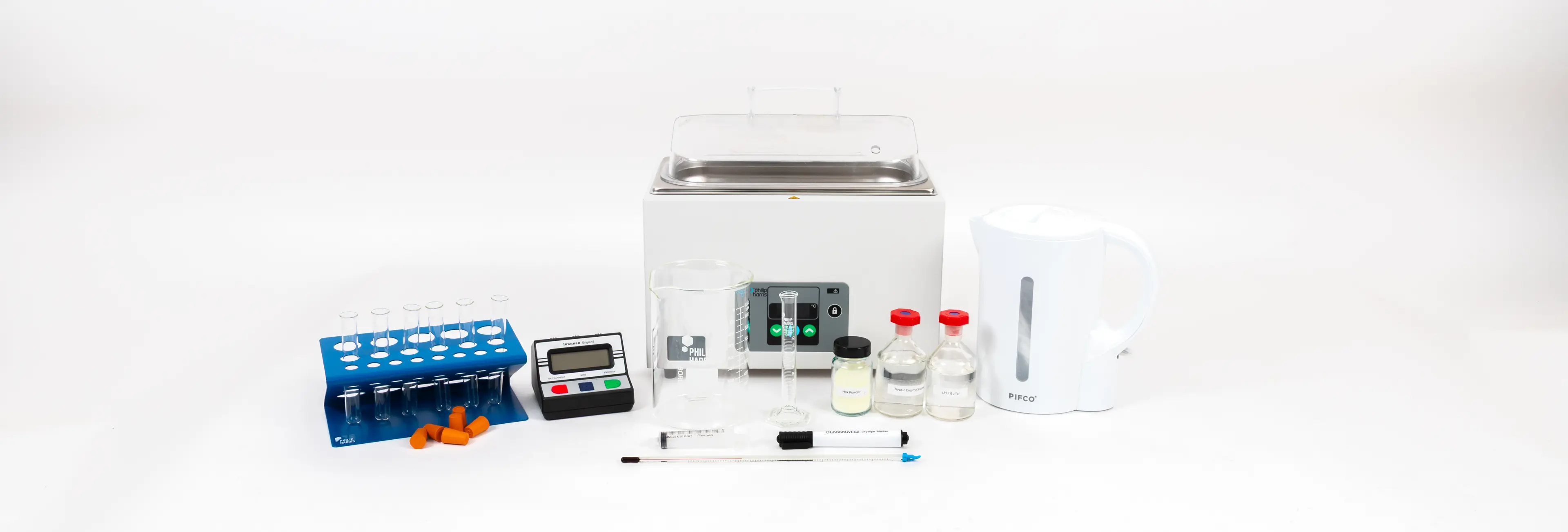
You will need:
Method
Investigating The Effect of Temperature on the Digestion of Casein by the Enzyme Trypsin:
Students are required to carry to find the rate of reaction at five different temperatures. Students can carry their own investigations out at all five temperatures or share results from class groups.
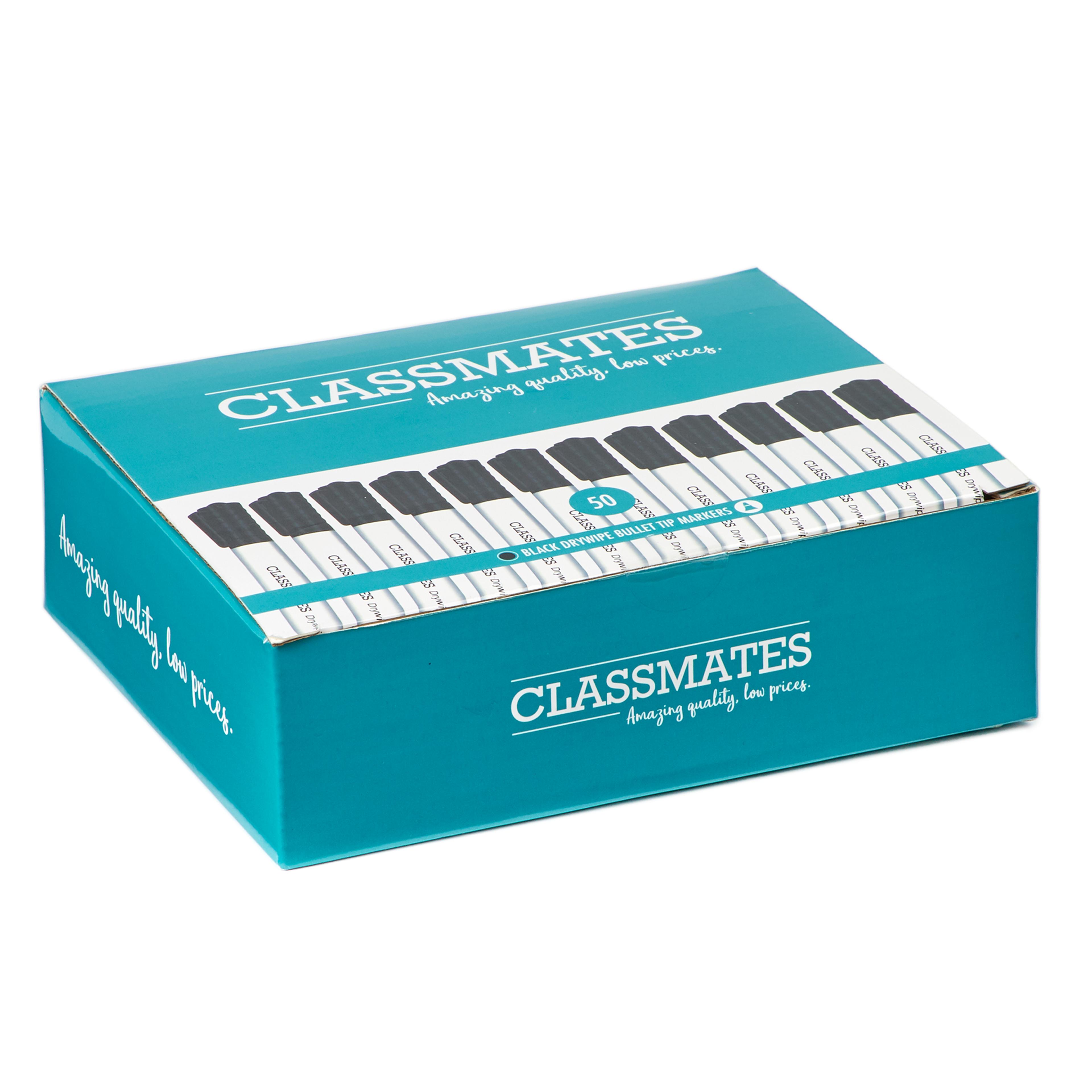
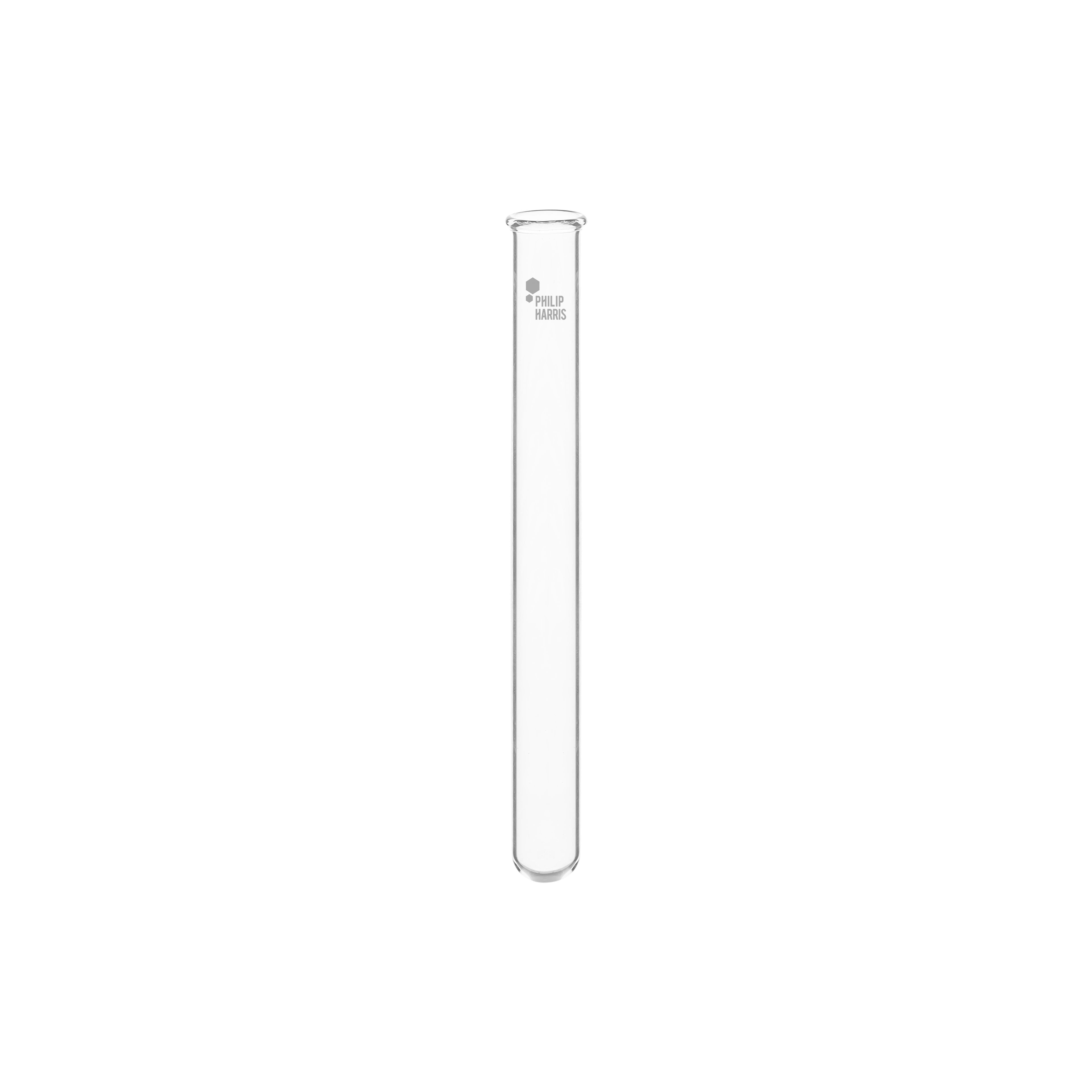
Mark an X on three test tubes using the marker pen, place the X half way down each test tube.
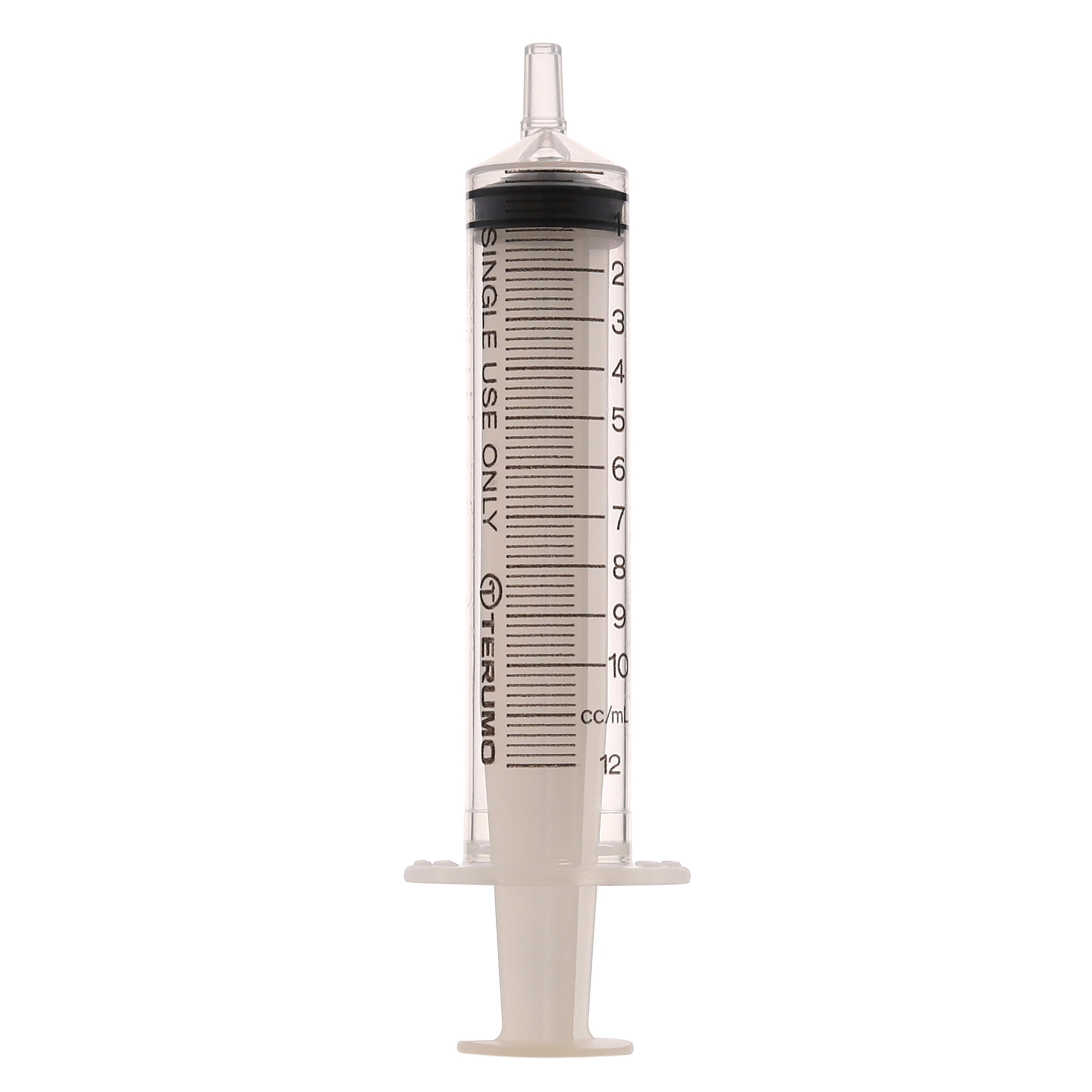
To each test tube add 10cm³ of Milk Powder
In another set of three test tubes add 2cm³ of pH 7 Buffer and 2cm³ of Trypsin.
Add the six test tubes to a water bath set to 20°C. Leave the tubes for 10 minutes.
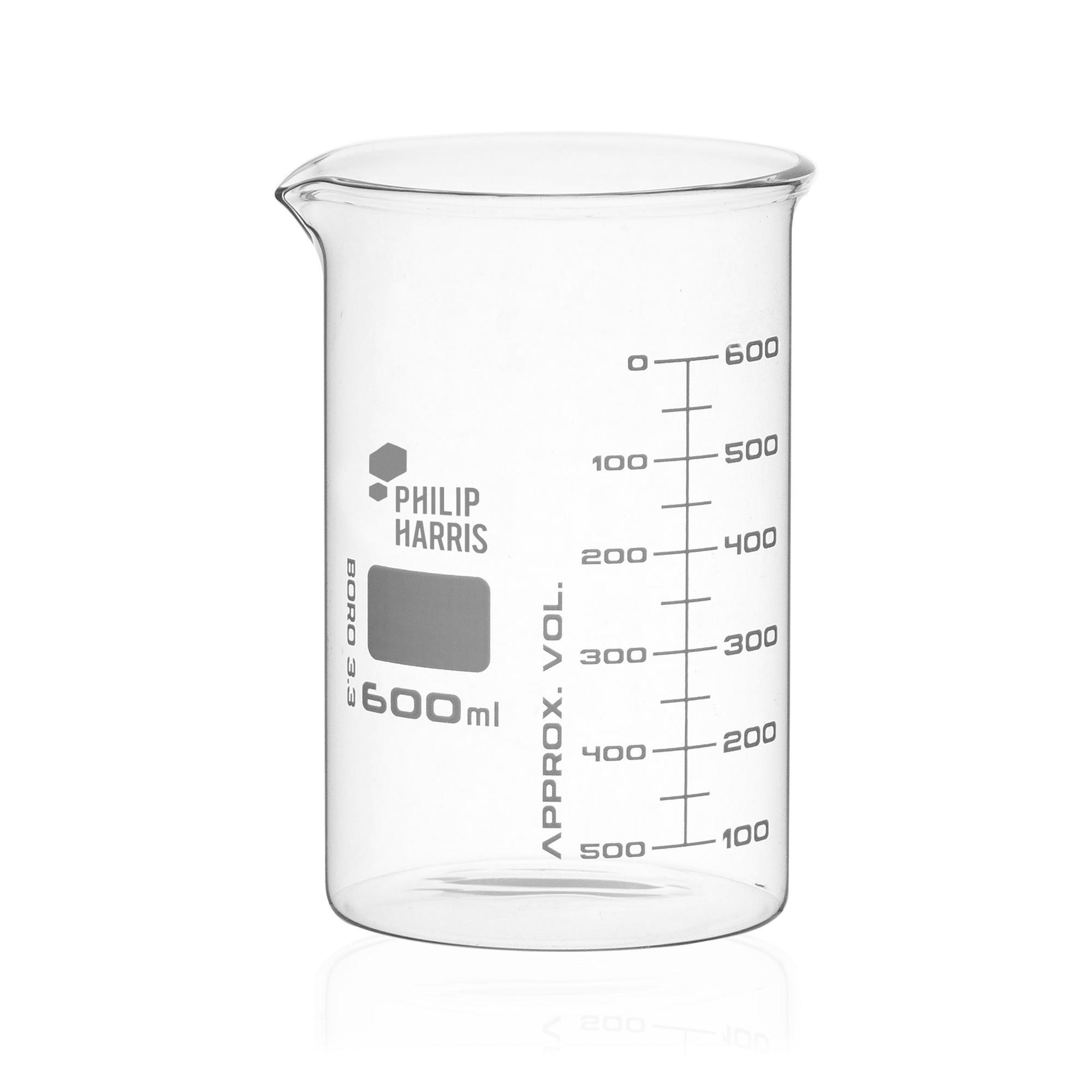
If no electronic water bath is available, use warm water from the kettle in a large beaker for your water bath.
Add the contents of one of the test tubes containing the pH Buffer and Trypsin to one of the test tubes containing the Milk Powder.
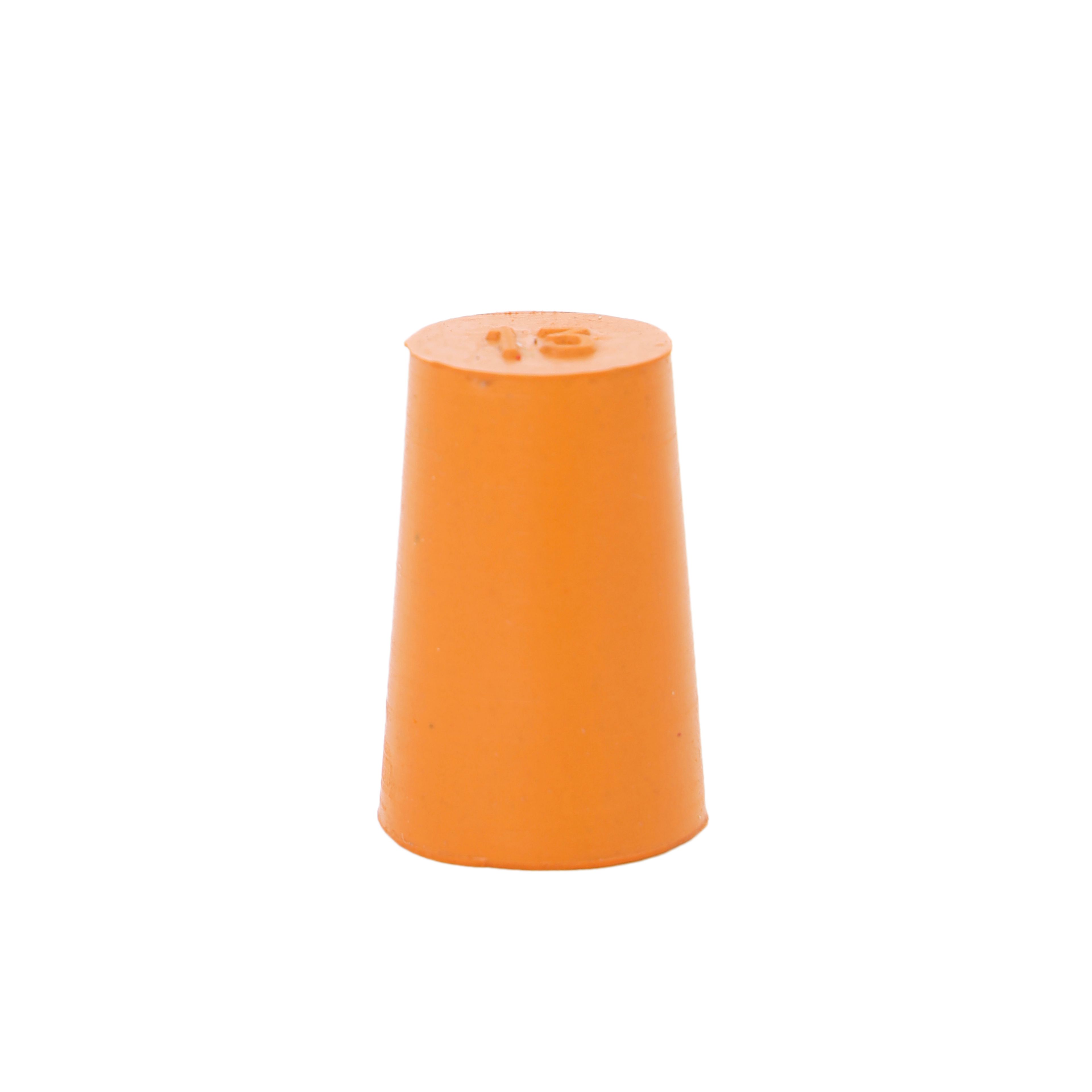
Place a bung into the test tube and invert the test tube 5 times to mix the contents of the tube thoroughly. Place this test tube back in the water bath. Repeat this for the other two test tubes.
Time how long it takes the solution to turn clear, this can be monitored by the time it takes for the X to become visible through the glass.
Record the time for each of the three test tubes, and take the mean by adding the three times together and dividing by three.
Using this same method, repeat the steps of the experiment for four other temperatures, 30°C, 40°C, 50°C and 60°C.
Record all your results in a suitable table and use the information to produce a graph.
To use this experiment to meet the criteria of using appropriate instrumentation a colorimeter can be used to measure the rate of the reaction. Changes to the method would need to be made following the following steps:
Whilst the test tubes are in the water bath, calibrate the colorimeter using a Trypsin solution so the absorbance is set to zero.
Add the Trypsin solution from one test tube to the Milk Powder in another test tube.
Place a rubber bung in the test tube and invert 5 times to mix the contents fully.
Place the test tube back in the water bath, and time for exactly 4 mins.
Pour the solution into a clean, dry cuvette, and ensure to measure the absorbance immediately.
Repeat this for the other 2 sets of test tubes and record the absorbance of these two reactions.
The lower the absorbance the more of the casein has been broken down.
Investigating The Effect of pH:
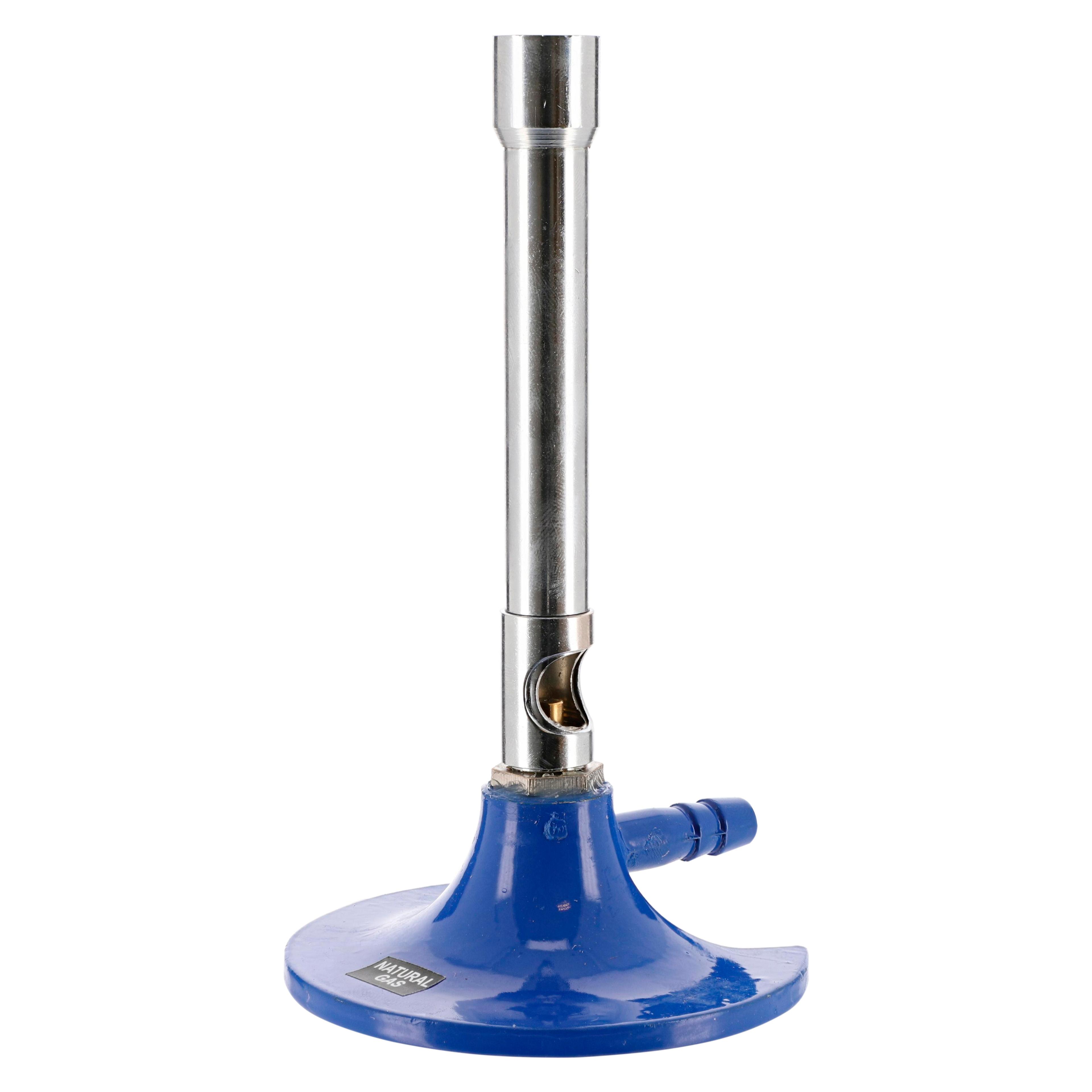
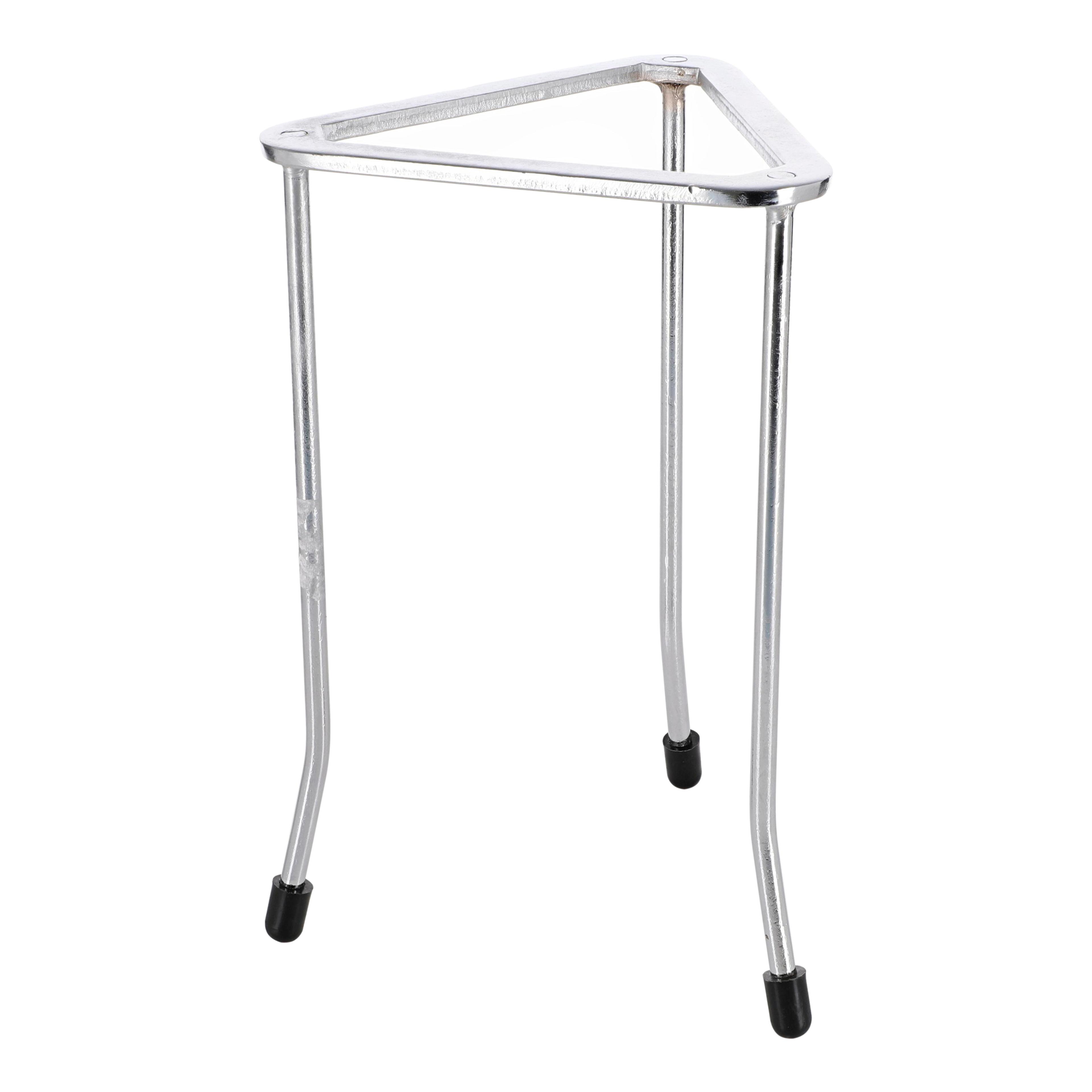
Set up a Heatproof mat, Bunsen Burner, Tripod and gauze, place a beaker of water on the gauze and warm the water in the beaker to 35°C. Adjust the flame on the Bunsen to maintain the temperature of the water bath.
Add 2 drops of Iodine into each well of a spotting tile.
To each test tube add 2cm³ of Amylase, then 2cm³ of Starch solution.
Add 1cm³ of pH 4 Buffer, mix the contents of the test tube and place in the beaker of water above the Bunsen Burner.
Start the stopclock and every 20 seconds, using a pipette remove a small amount of solution from the test tube and add to the iodine in one of the wells of the spotting tiles.
Repeat this step until the iodine solution stops turning black.
Record the time taken for this to happen in a suitable table.
Using the same method, repeat the steps of the experiment for four different pH values, pH5, pH6, pH7, pH8.
Use your results to plot a suitable graph.
Investigating the Effect of Concentration:
Prepare a 5% solution of the catalase enzyme.
Set up a Heatproof mat, Bunsen Burner, Tripod and gauze, place a beaker of water on the gauze and warm the water in the beaker to 35°C. Adjust the flame on the Bunsen to maintain the temperature of the water bath.
Set the equipment up as per the image below:
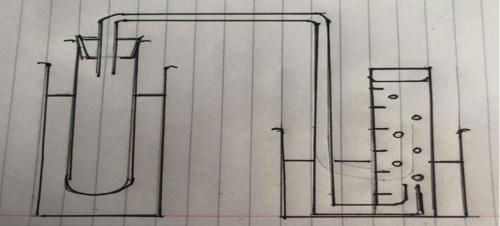
To a boiling tube add 5cm³ of 5% Catalase solution, followed by 5cm³ of buffer solution and finally 5cm³ of Hydrogen Peroxide.
Immediately place the bung with the delivery tube into the boiling tube and place in the water bath, place the other end of the delivery tube under the measuring cylinder in the water trough.
Start the stopclock as soon as the first bubble appears in the measuring cylinder.
Note the volume of gas collected at suitable intervals, for a period of 5 mins and record your results in a suitable table.
Mix the contents in the boiling tube to ensure contents are thoroughly mixed throughout the experiment.
Repeat the experiment for different concentrations of catalase solution.

Technician tips
Enzyme experiments can be tricky to get right. All reagents must be fully trialled before the practical session to ensure the practical will give the results needed in the given session time.
All reagents should be at room temperature on entering the practical session.
Enzymes, starch and peroxide solutions must always be freshly prepared
0.5% Trypsin solution is made by dissolving 0.5g of Trypsin powder in a 100ml of water.
1% starch solution is made by making a paste using 1g of starch powder and a few drops of cold water (for every 100mls of solution). Boiling water from a kettle can then be used to dilute this to the final volume. Stir to dissolve the paste and boil further if the solution is cloudy. The starch solution must have been allowed to cool to room temperature before use in the classroom.
0.1% Amylase solution is made by dissolving 0.1g of Amylase powder in every 100mls of water. The concentration can be adjusted of the reaction occurs too quickly.
5% Catalase solution can be made by dissolving 5g of catalase in a 100mls of water.
CLEAPSS practical procedure document PP048 The Effect of pH on Amylase Digestion contains a printable spotting tile which offers a larger number of wells than a standard spotting tile. These could be printed and laminated for repeated student use.
Students are advised to wear safety goggled when carrying out any of these methods.