Making a volumetric solution for titration A Level Chemistry
Students are required to make a volumetric solution for a simple acid base titration. They will need to show their working out of mass and exact contents in mol/dm¯³of their solution
Subject: Chemistry | Level: A Level |
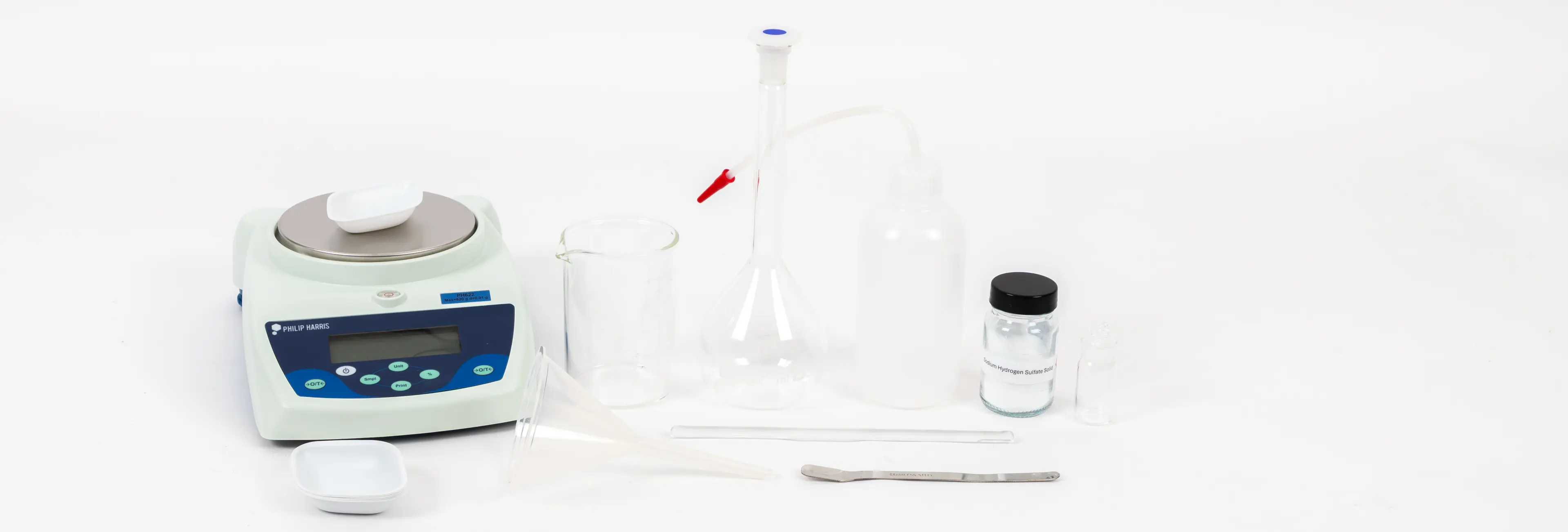
You will need:
Method
Calculate the mass of solid required to produce 250ml of a 0.1M Solution. Students are required to show their working out.
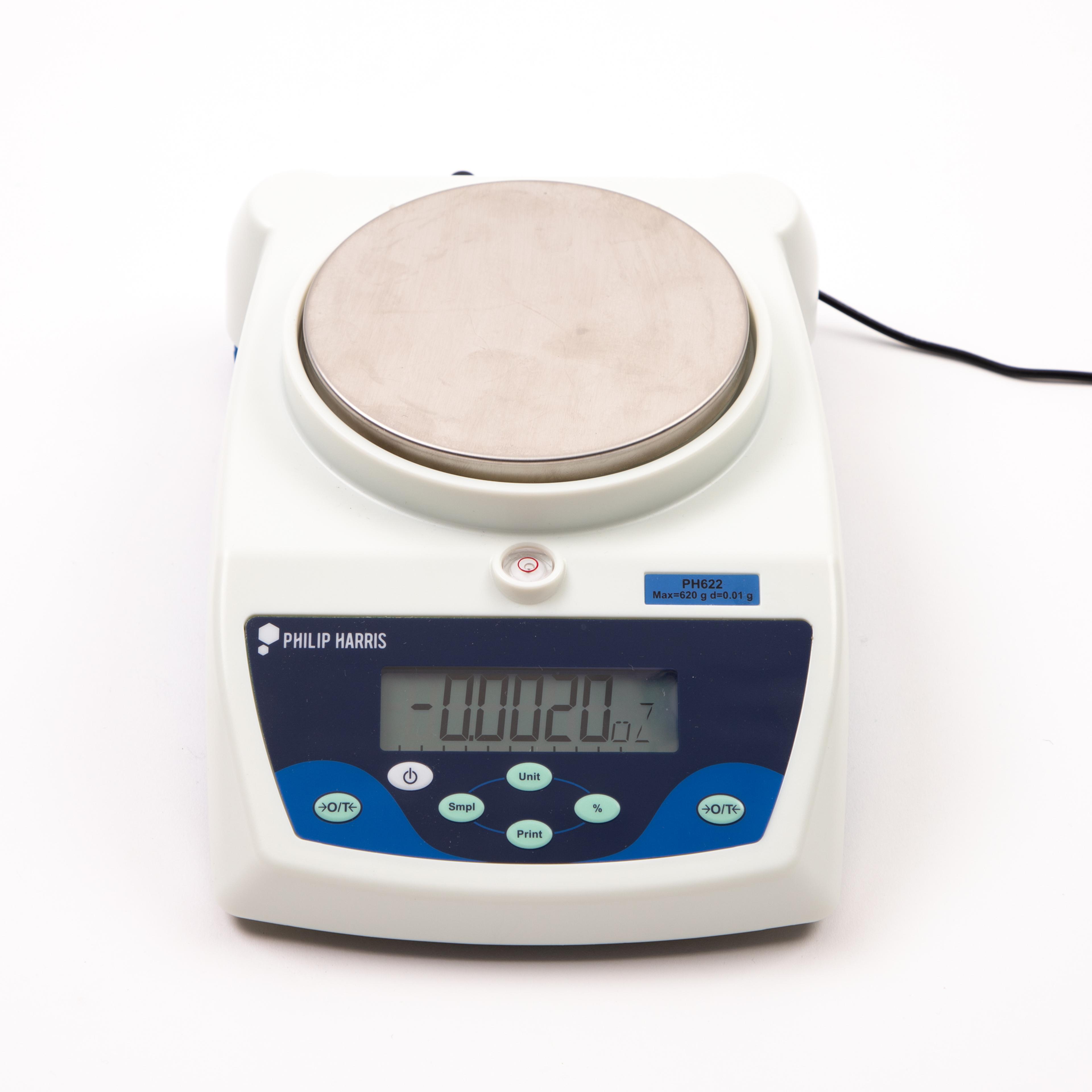
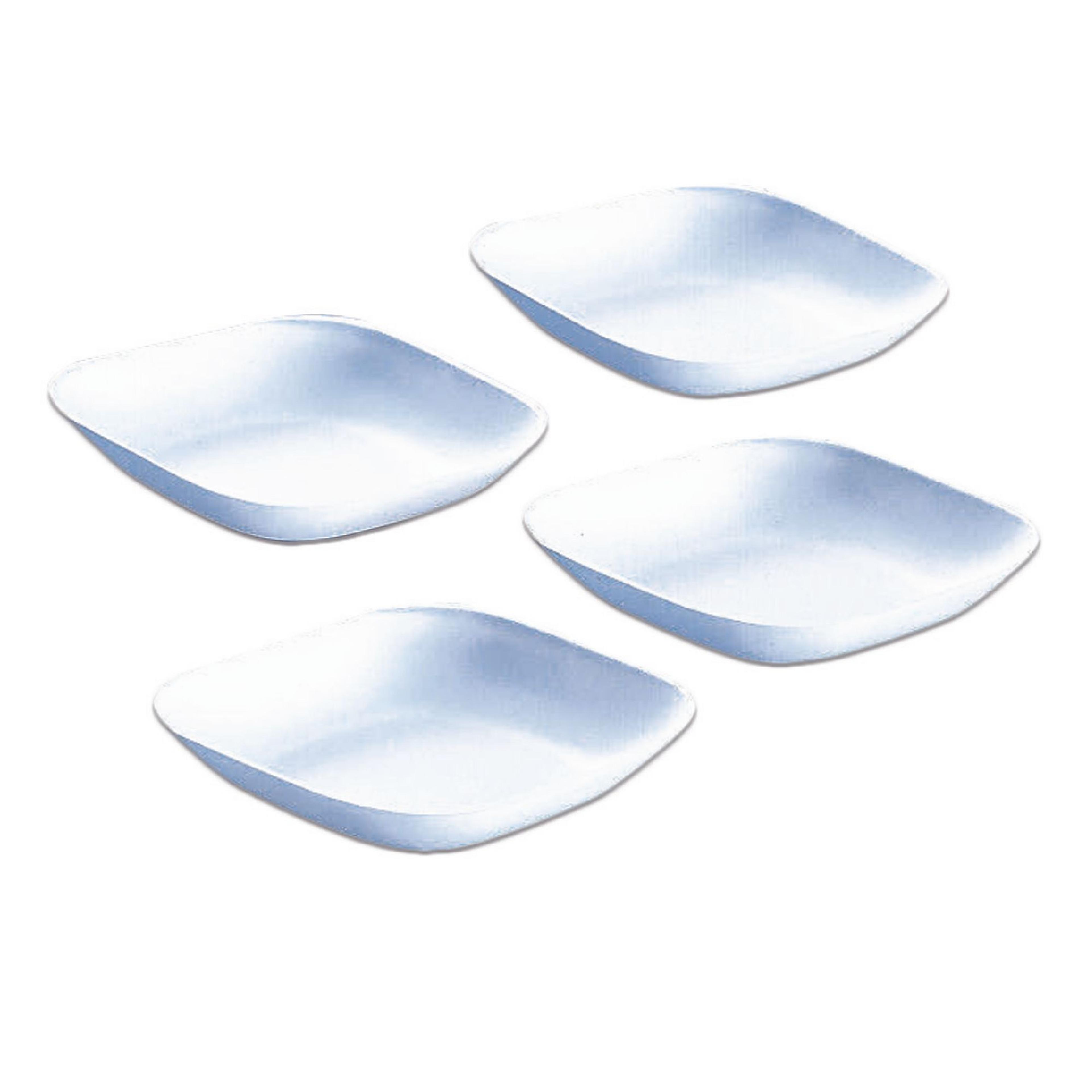
Weigh a clean, dry weighing boat and record the mass.
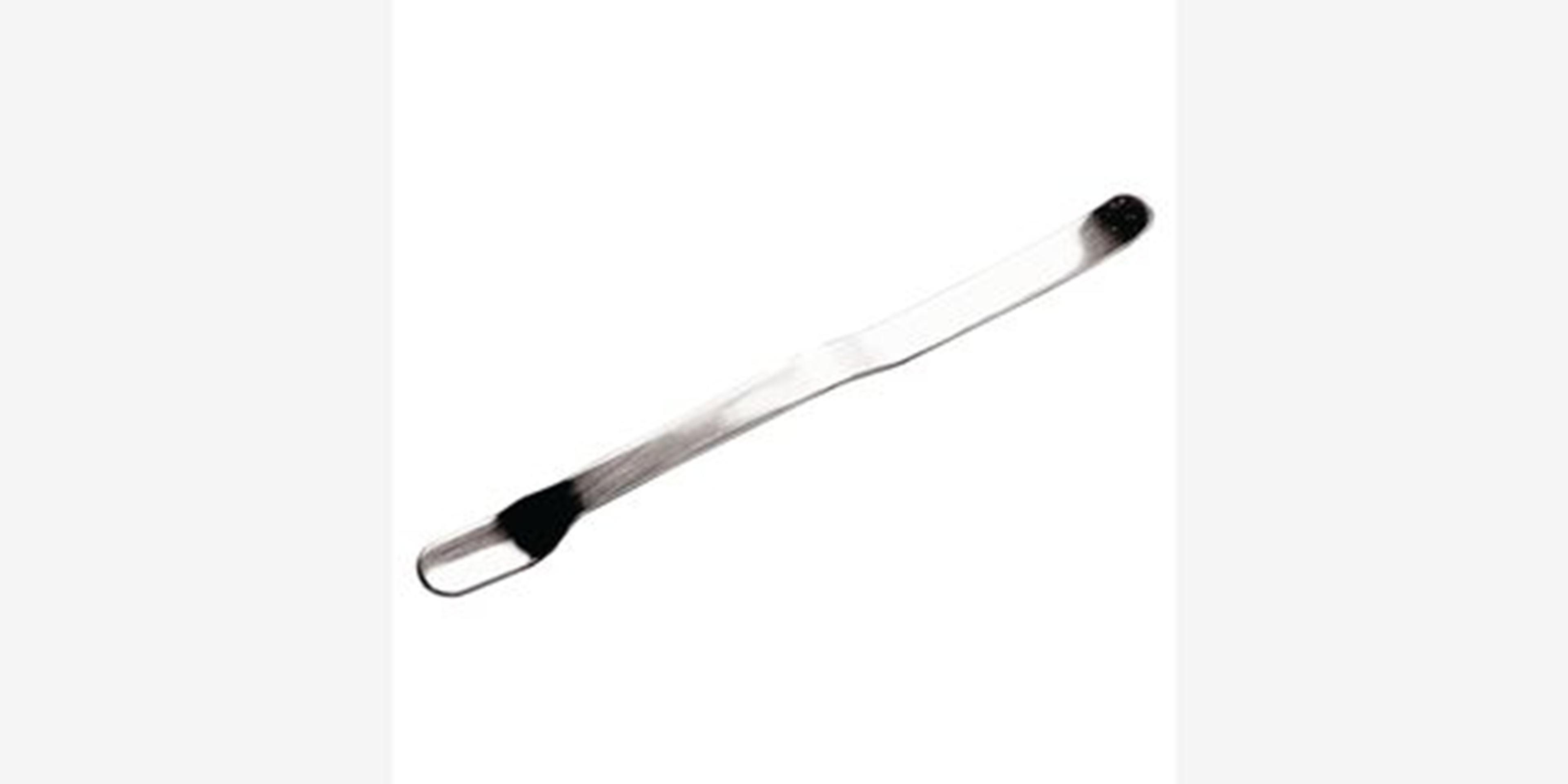
Place the weighing boat on the top of the digital balance and using a spatula weigh the correct amount of Sodium Hydrogen Sulfate into the weighing boat. Accurately record the weight of the solid and weighing boat.
Empty the contents of the weighing boat into the beaker and re-weigh the weighing boat.
Calculate the precise mass of Sodium Hydrogen Sulfate you have transferred into the beaker.
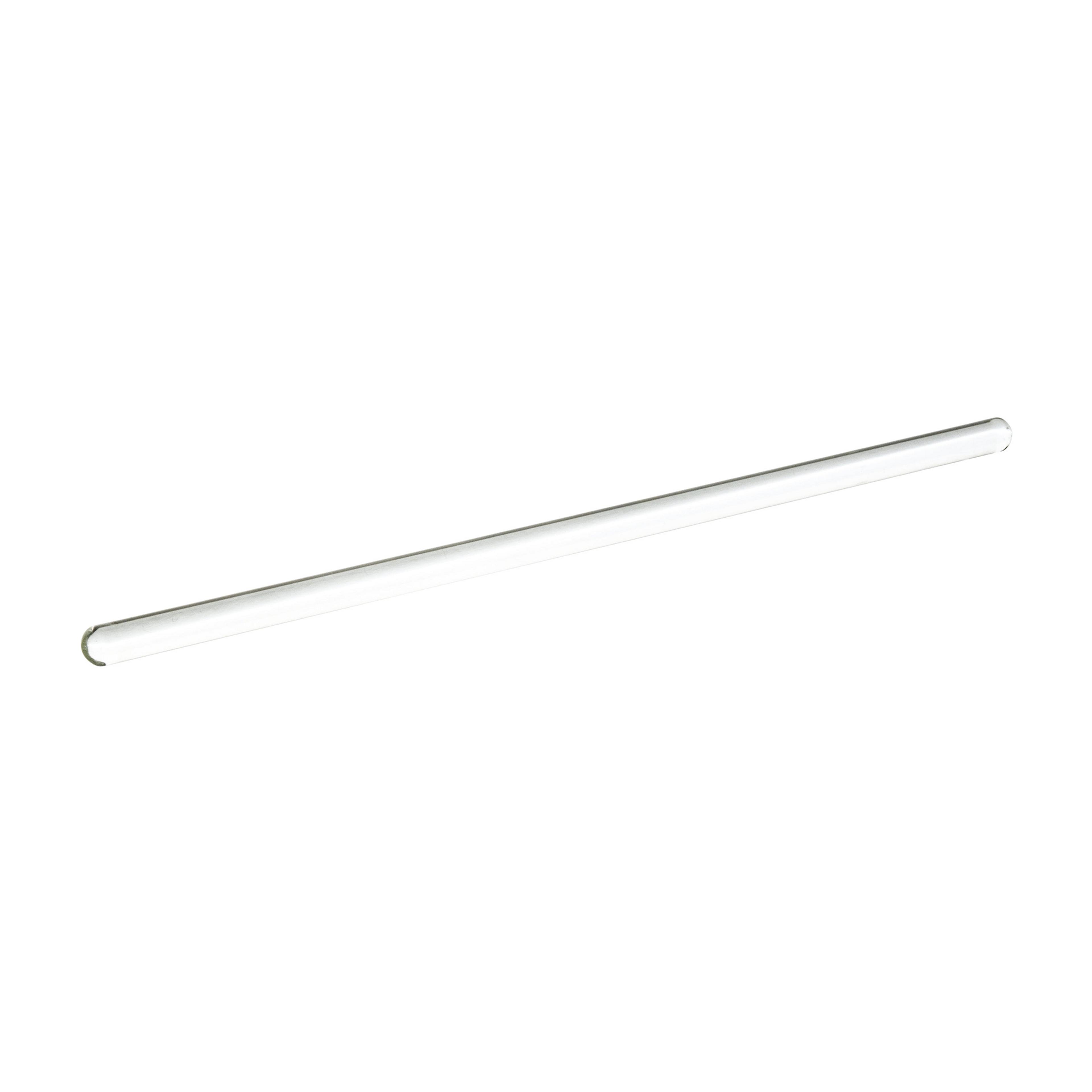
Add approximately 100mls of distilled water into the beaker containing the solid and use a glass rod to stir the content of the beaker until the solid has dissolved.
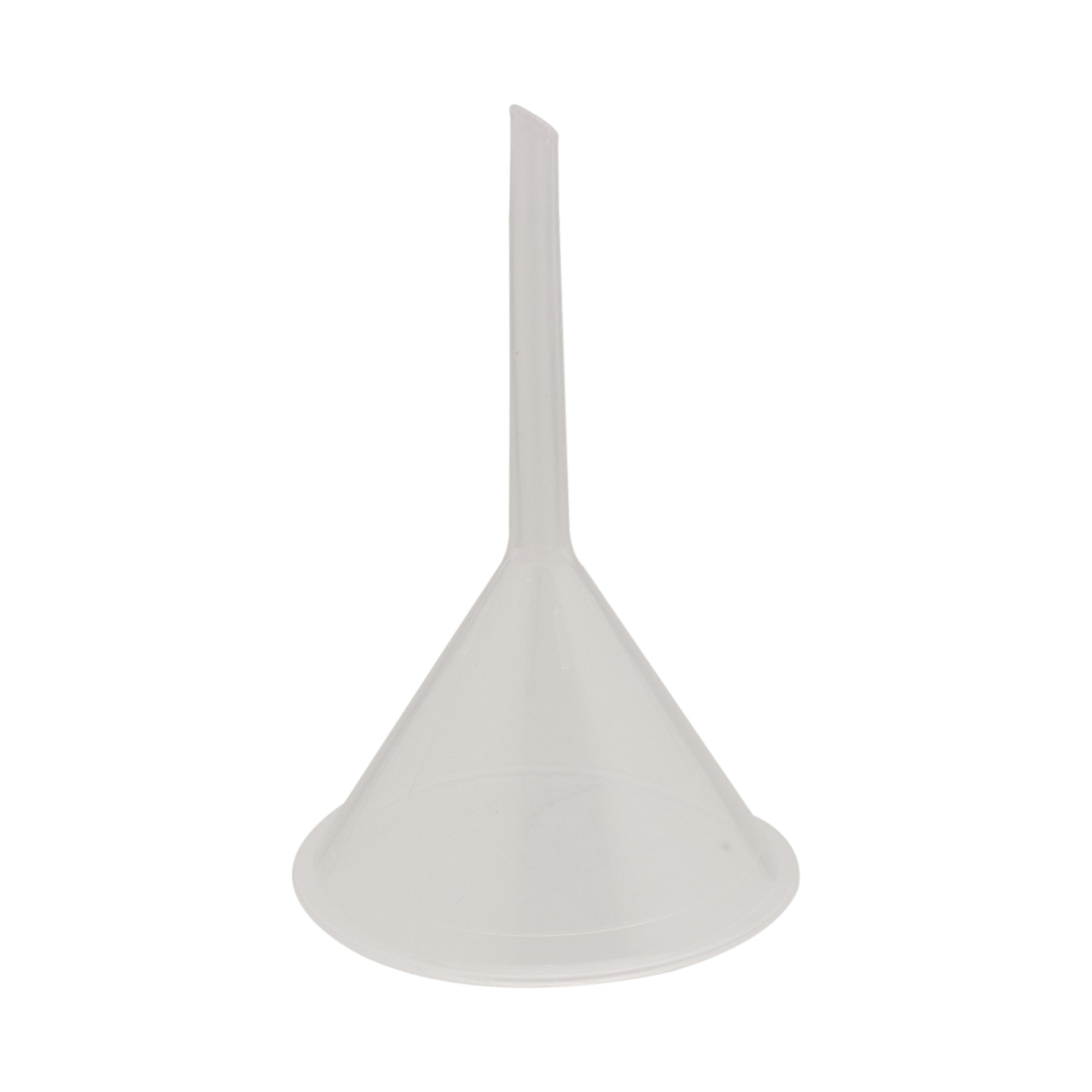
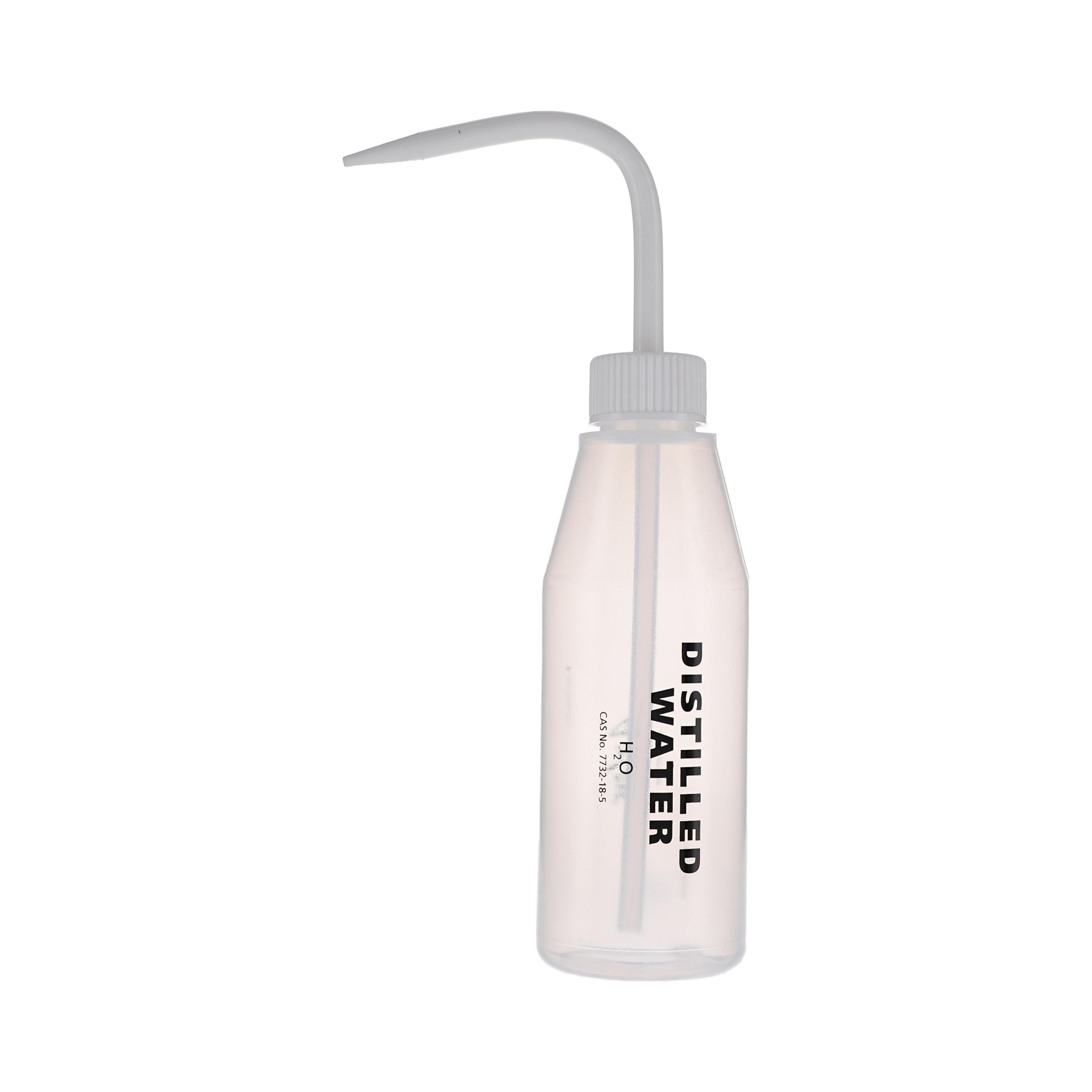
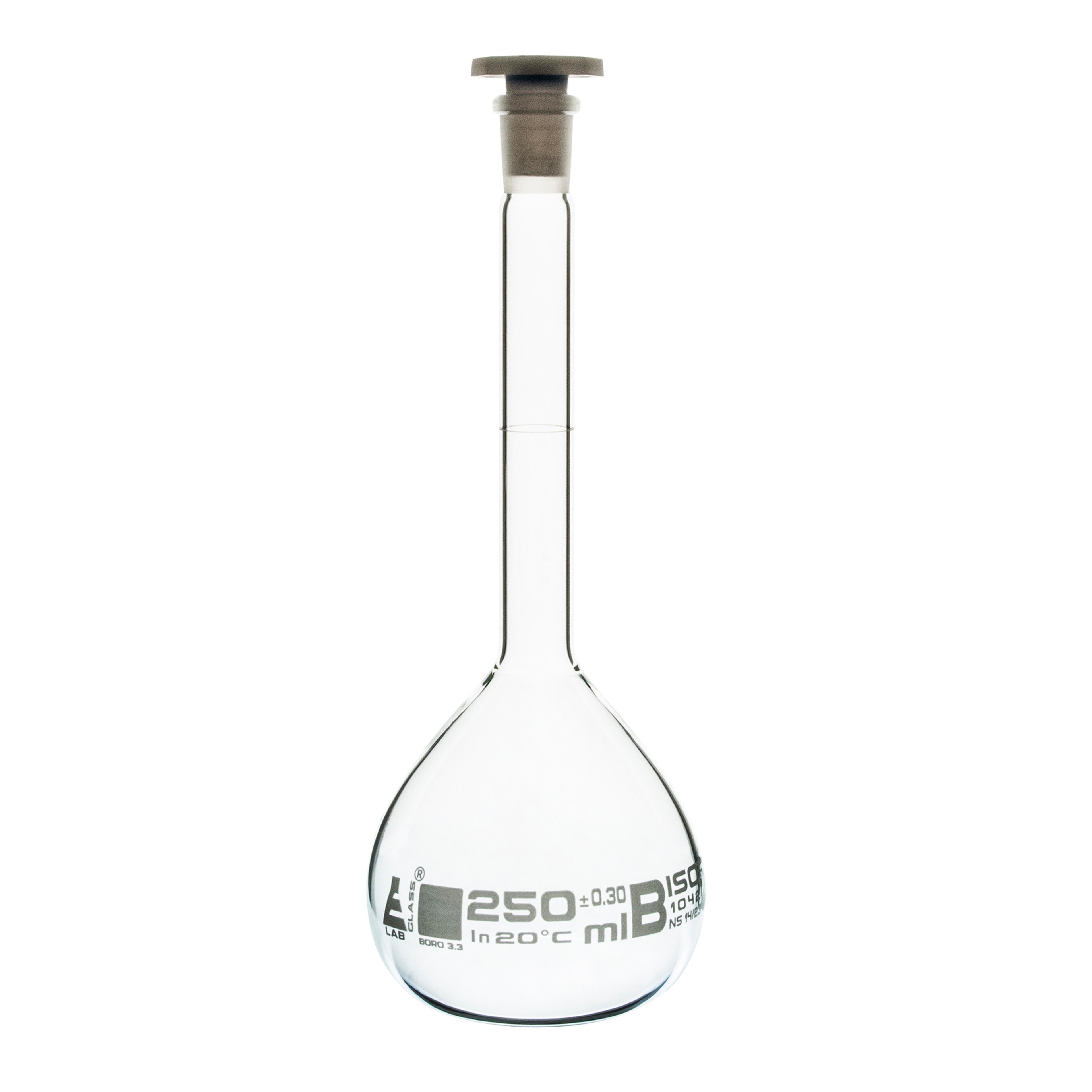
Using a funnel, transfer the contents of the beaker into a 250ml volumetric flask. Use the wash bottle to rinse the beaker into the flask.
Hold the glass rod over the beaker and using the wash bottle rinse the glass rod into the beaker, then again using the funnel rinse any remaining contents of the beaker into the volumetric flask.
Then rinse any remaining solid from the funnel into the flask.
Make the solution in the flask up to the graduated mark, by carefully adding water from the wash bottle. BE CAREFUL NOT TO OVERSHOOT THE GRADUATION.
Stopper the flask and shake thoroughly to mix the contents.
Calculate the exact contents in mol/dm¯³ of your solution. Students are expected to show their full working out.

Technician tips
Ensure the composition of Sodium Hydrogen Sulfate is known, you can use either anhydrous or monohydrate. If using anhydrous ensure the sample is a fresh as possible, as anhydrous can absorb water and therefore the mass will not be accurate.
Students can use a Pasteur pipette if necessary to make the meniscus upto the graduation.
The bottom of the meniscus should touch the graduation mark on the flask.