Rates of reaction: initial rate method A Level Chemistry
Students are required to determine the rate law of a reaction by analyzing how the initial reaction rate changes with varying initial concentrations of reactants.
Subject: Chemistry | Level: A Level |
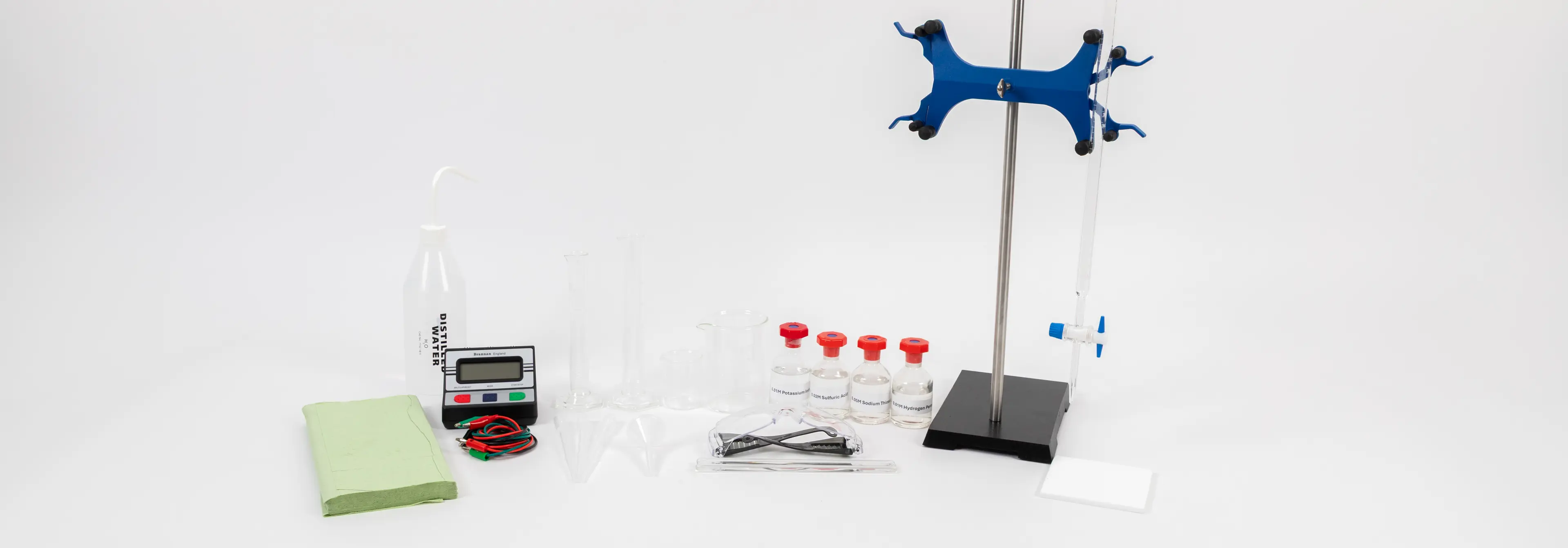
You will need:
Method
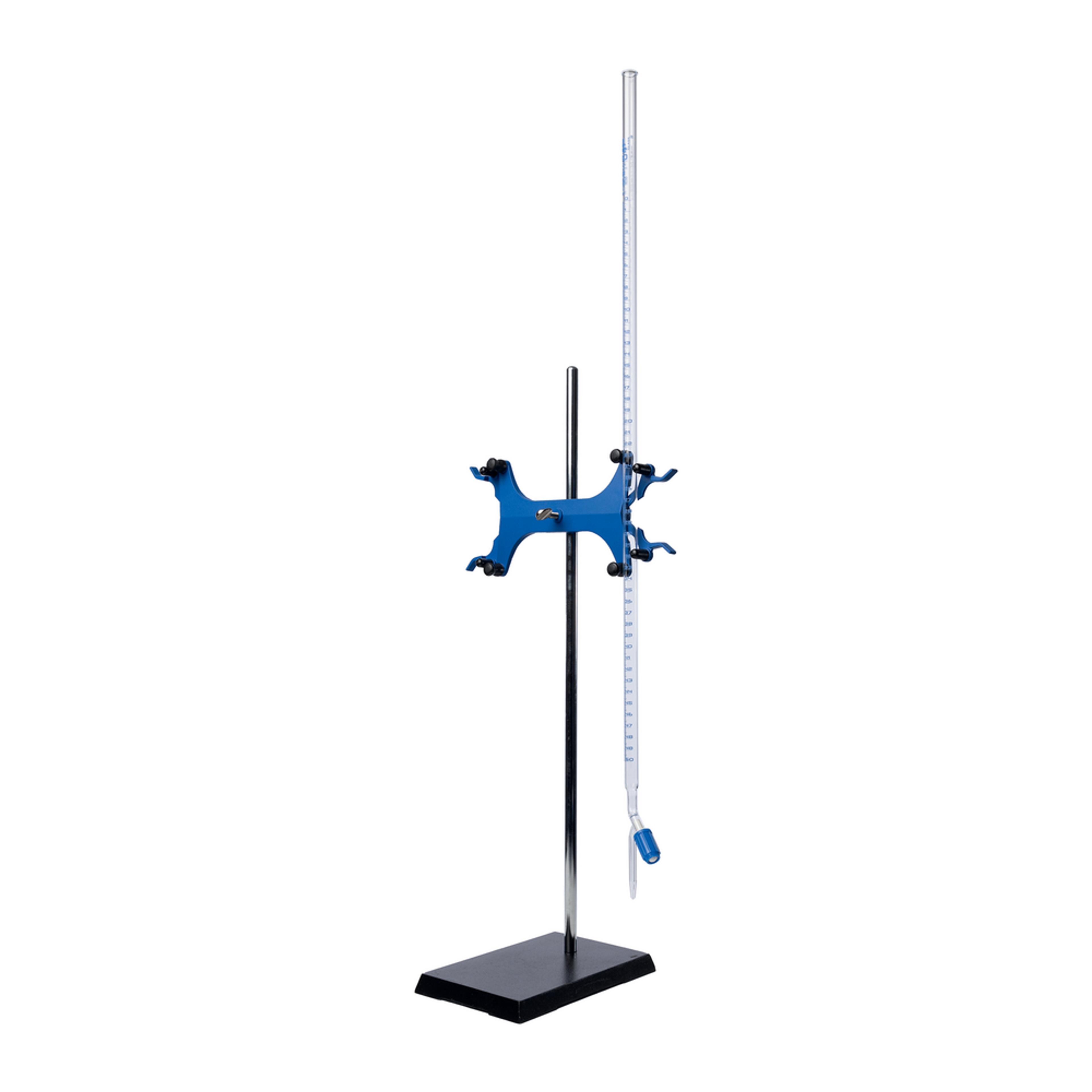
Rinse a 50ml burette with Potassium Iodide solution
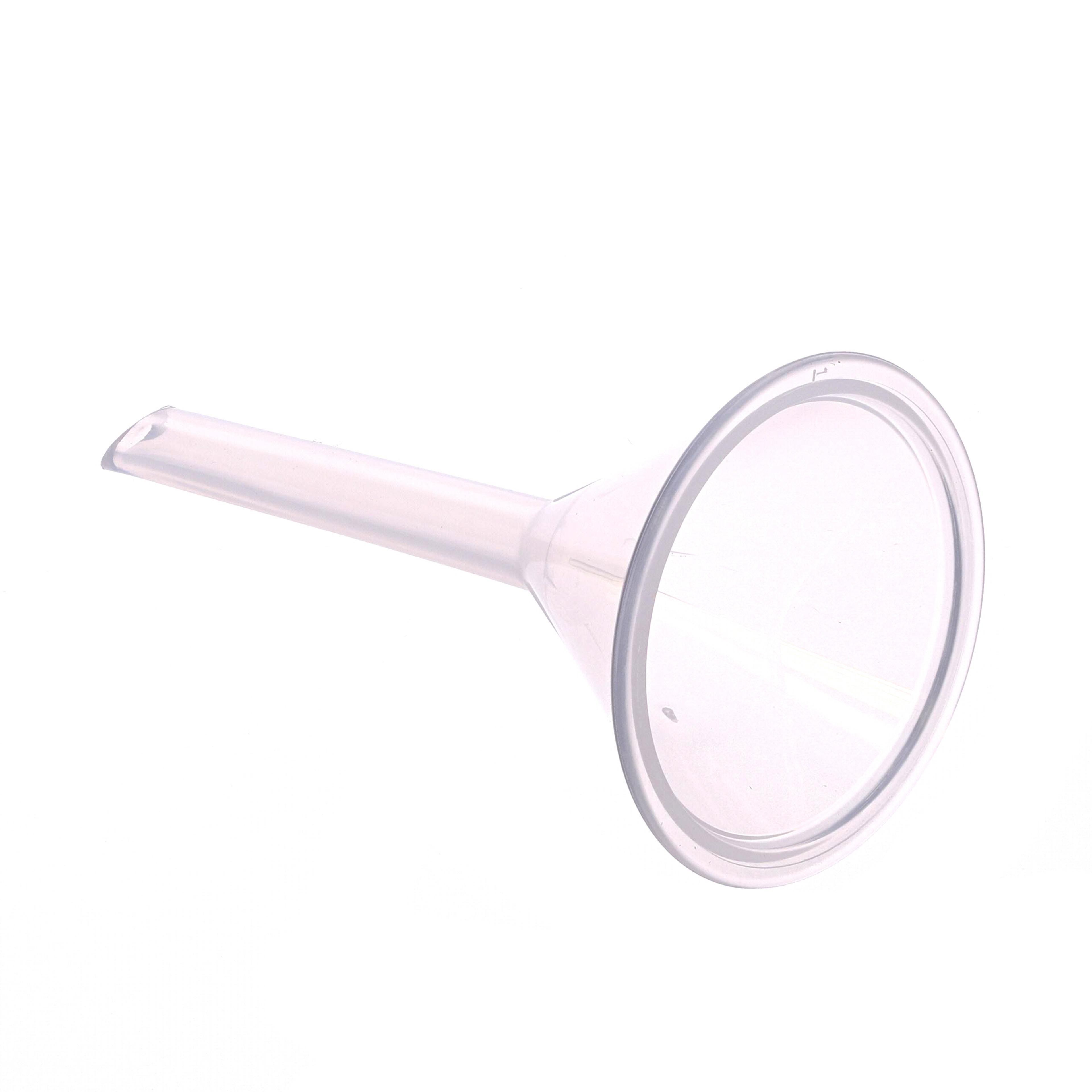
Fill the burette, using the burette funnel with Potassium Iodide solution
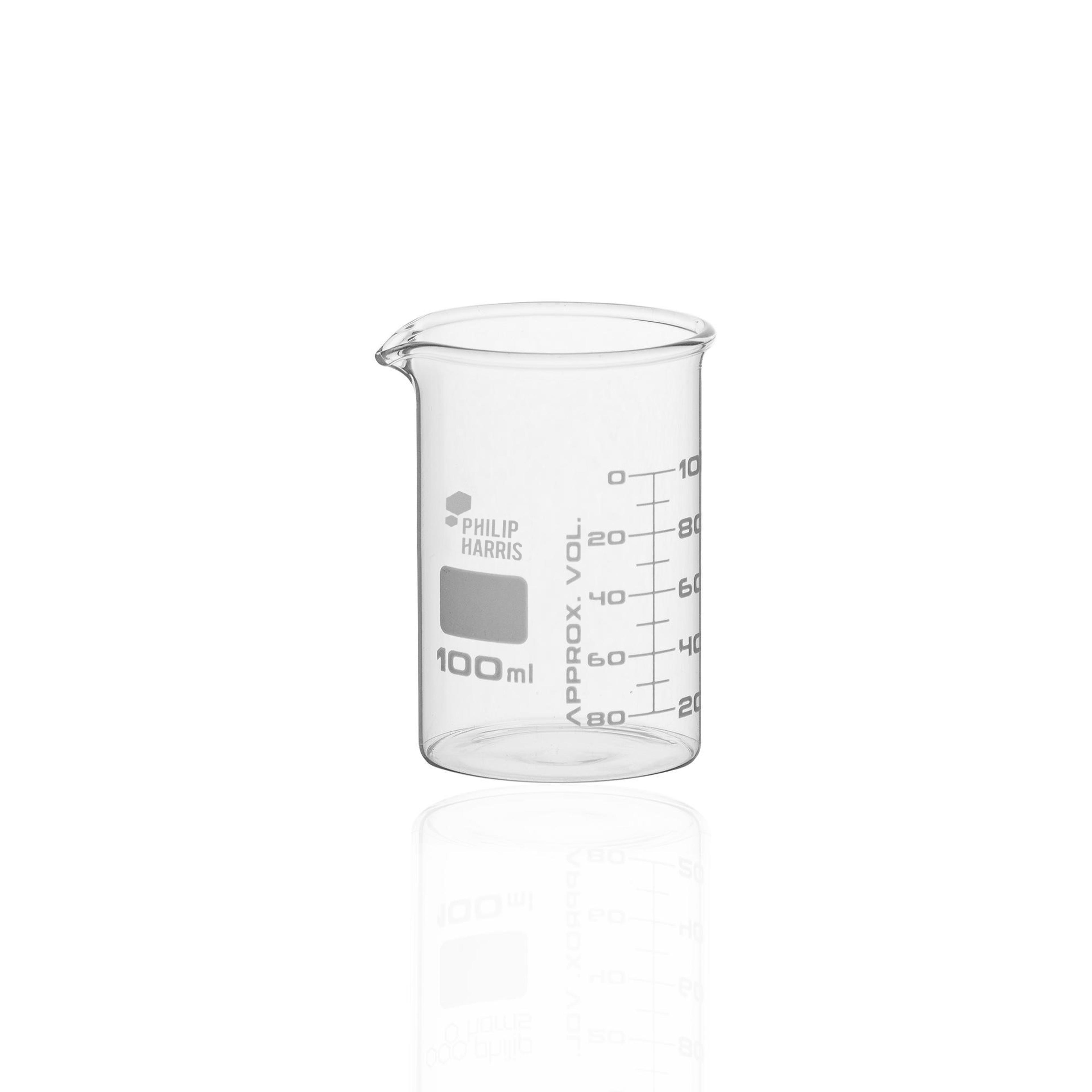
Measure 10mls of Hydrogen Peroxide solution from the shared burette, and transfer this to a clean, dry, labelled 100ml beaker
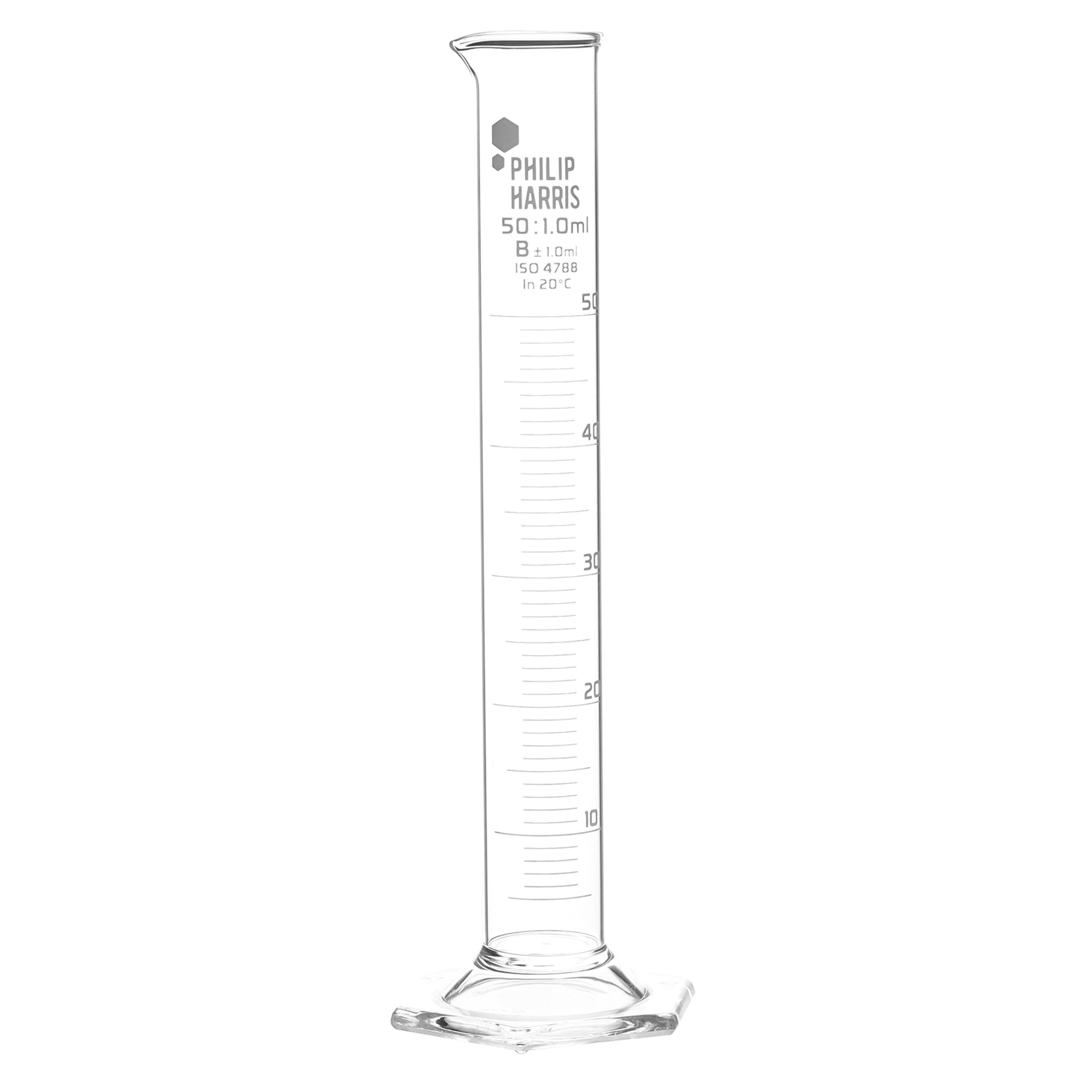
Using the 50ml measuring cylinder, measure 25mls of Sulfuric Acid and transfer this to a labelled clean, dry 250ml beaker
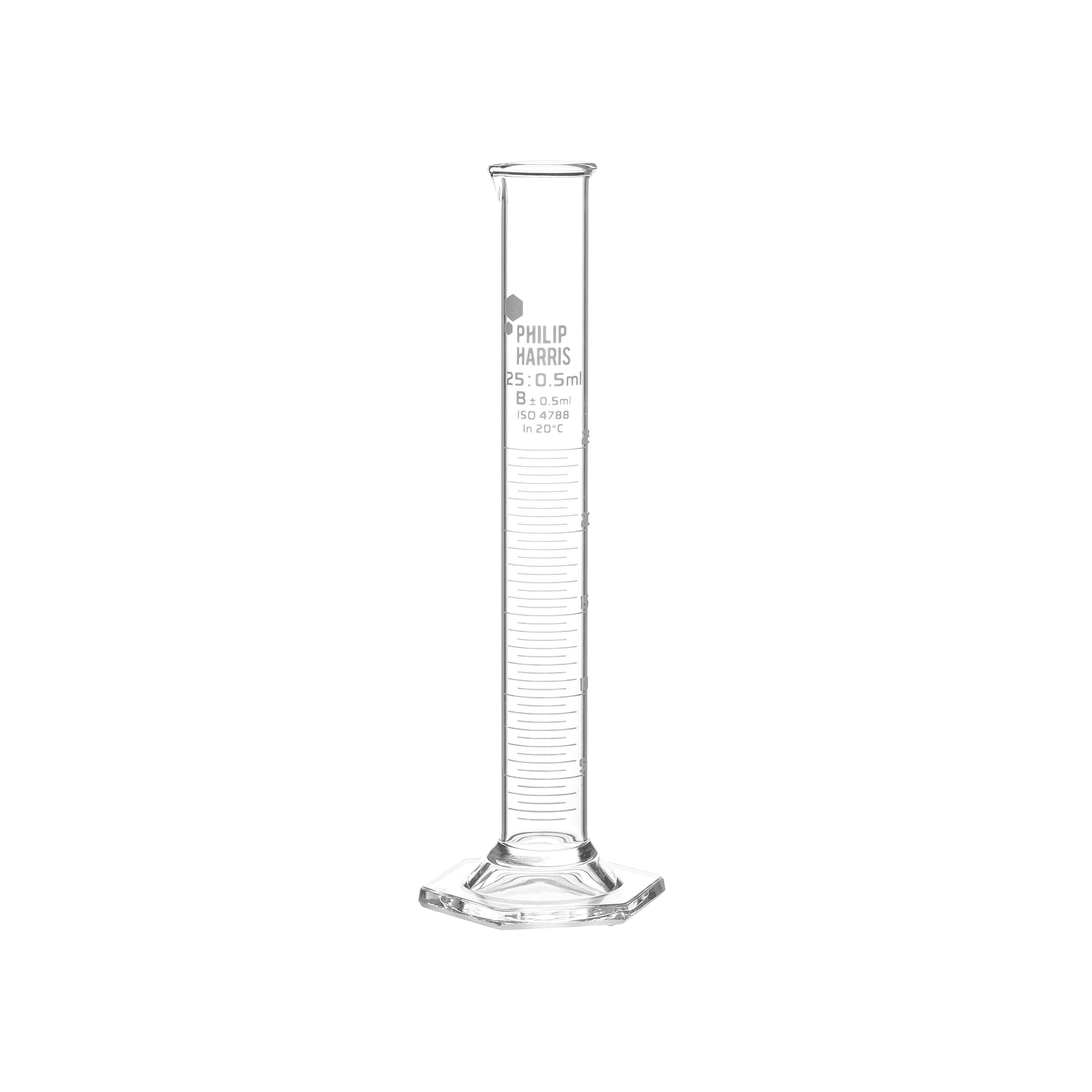
Using the 25ml measuring cylinder measure 20mls of Deionised water, and transfer this into 250ml beaker containing the dilute Sulfuric Acid
Using a plastic dropping pipette add 1ml of Starch solution to the 250ml beaker
Using the burette add 5mls of the Potassium Iodide solution to the mixture in the 250ml beaker
Finally, add 5mls of Sodium Thiosulfate from the shared burette into the mixture that is in the 250ml beaker
Stir the mixture in the 250ml beaker to mix the contents
Pour the Hydrogen Peroxide from the 100ml beaker into the 250ml beaker and immediately start the timer
Stir the mixture
Stop the timer when the mixture turns a blue/black colour
Record the time taken for the mixture to turn blue/black, and note in a suitable table
Rinse the 250ml beaker with distilled water and dry thoroughly with a paper towel
Repeat for four further experiments using the volumes below
| Experiment | H₂SO₄ 0.25m | Starch | Water | KI 0.1m | Sodium Thiosulfate |
|---|---|---|---|---|---|
| 1 | 25 | 1 | 20 | 5.0 | 5.0 |
| 2 | 25 | 1 | 15 | 10 | 5.0 |
| 3 | 25 | 1 | 10 | 15 | 5.0 |
| 4 | 25 | 1 | 5 | 20 | 5.0 |
| 5 | 25 | 1 | 0 | 25 | 5.0 |
The volume of Hydrogen Peroxide is the same for all 5 experiments at 10mls
Theory:
Order of reaction shows how the rate of reaction depends on each reactant concentration, if we take a general reaction:
A + B → C + D
If the concentration of A changes and the rate of reaction stays the same, the order of reaction with respect to A is 0.
If the rate change is proportional to A then the order of reaction with respect to A is 1.
So, if the concentration of A doubles then the rate of reaction will double.
If the rate change is proportional to A² then the order of reaction with respect to A is 2.
So, if the concentration of A doubles, the rate will be 2² which equals 4, so the reaction will be 4 times faster.
The overall order of reaction is the order of reaction for A and the order of reaction of B added together.
This can only be determined by carrying out an experiment and cannot be worked out from a chemical equation.
The Iodine Clock experiment can be used to determine the effect of changing the concentration of Iodide ion during the reaction with Hydrogen Peroxide. So by keeping the amount of Hydrogen Peroxide the same and varying the amount of Potassium Iodide we can determine the order of reaction with respect to Iodide ions.

Technician tips
When filling a burette, bring the burette down to a level where you are not stretching to fill, and the zero is within eye level
When filling the burette, ensure the tap is closed. Run the Potassium Iodide through the top of the burette and expel any air bubbles from the tap and the tip of the burette
Refill the burette so that the bottom of the meniscus level with the zero mark
It is important to make sure the Sodium Thiosulfate is added last
Students should design their own table
This experiment could take several minutes