Investigating gas laws: Boyles Law - A Level Physics
Investigation of Boyle’s (constant temperature) law for a gas.
Students must investigate the pressure-volume relationship (Boyle’s law) of a gas. The practical links measurements of pressure, volume, and temperature. Students are assessed on accurate readings and controlling experimental conditions. The investigation involves recording measurements in a table and plotting graphs to show the relationships.
Subject: Physics | Level: A Level |
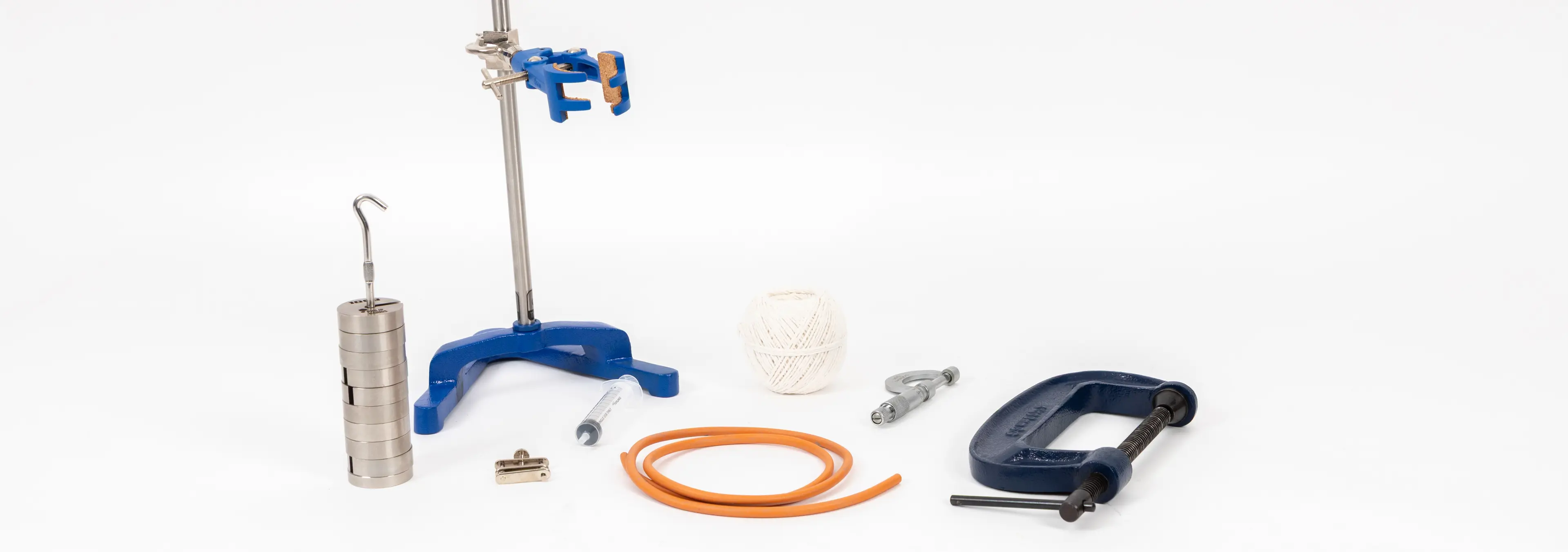
You will need:
Method
Preparation and setup
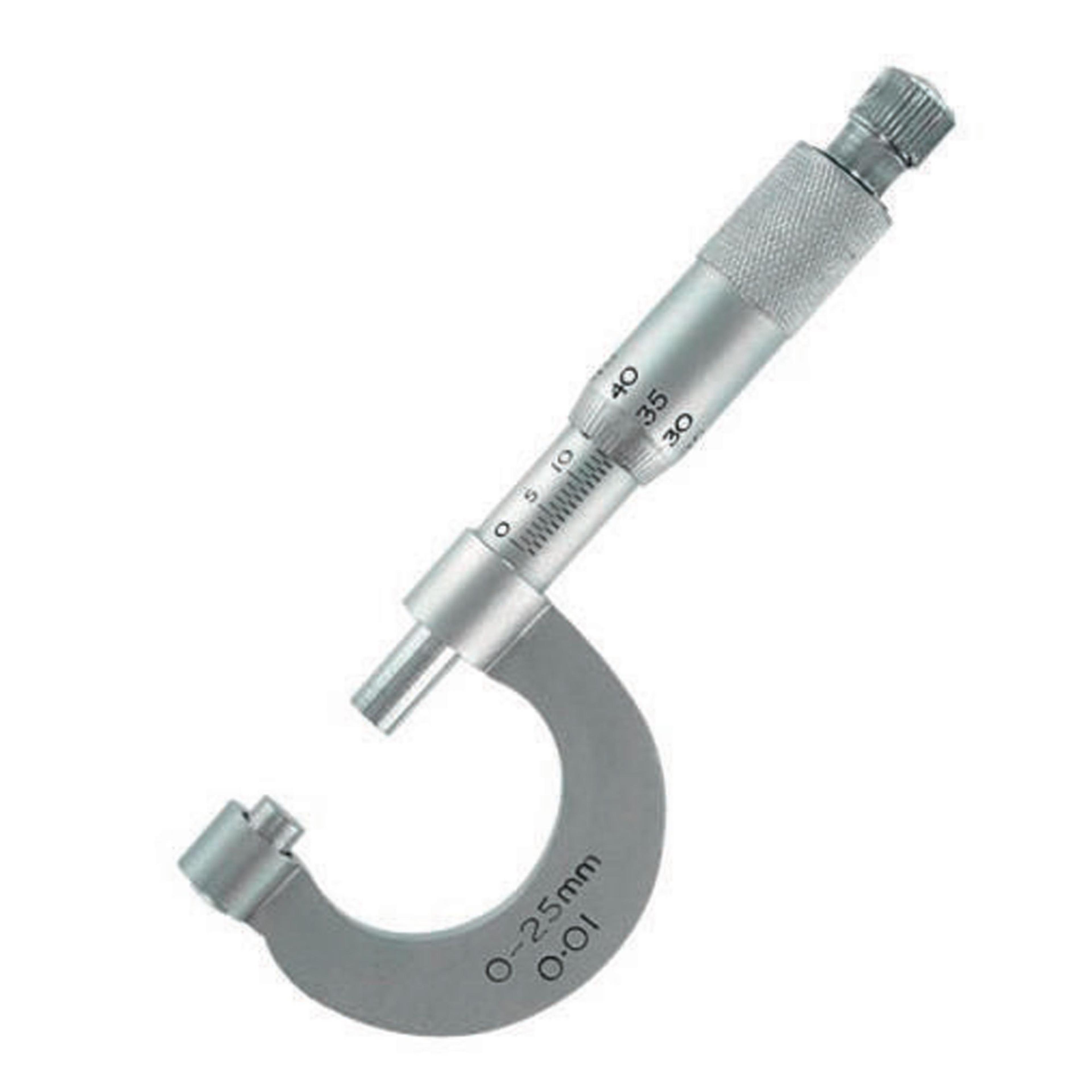
Remove the plunger from the syringe and measure the diameter of the rubber seal, d, using the micrometer. Convert this into metres.
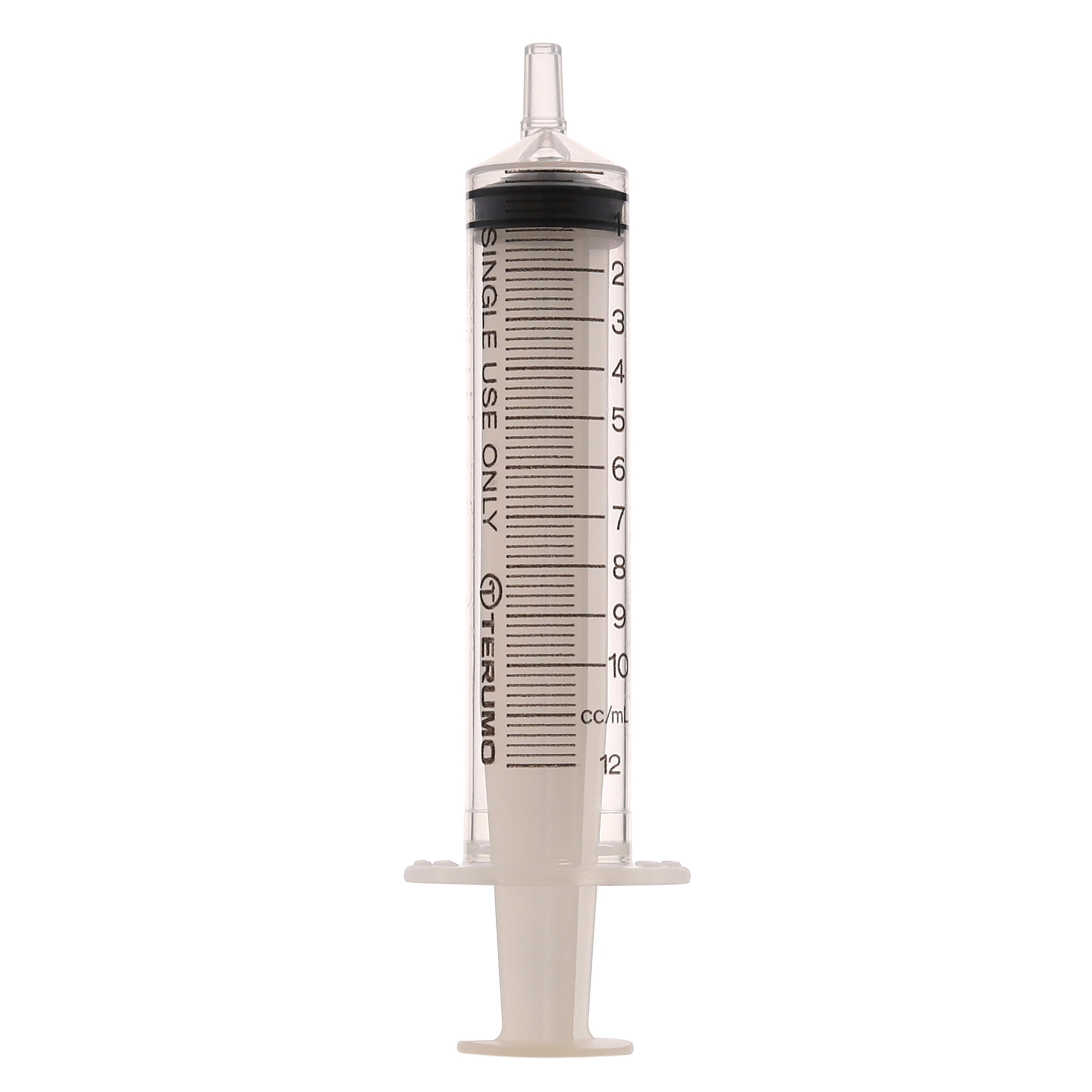
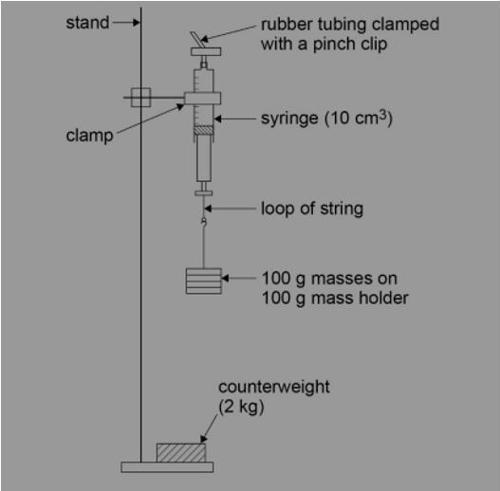
Replace the plunger and draw in 4.0 cm3 of air.
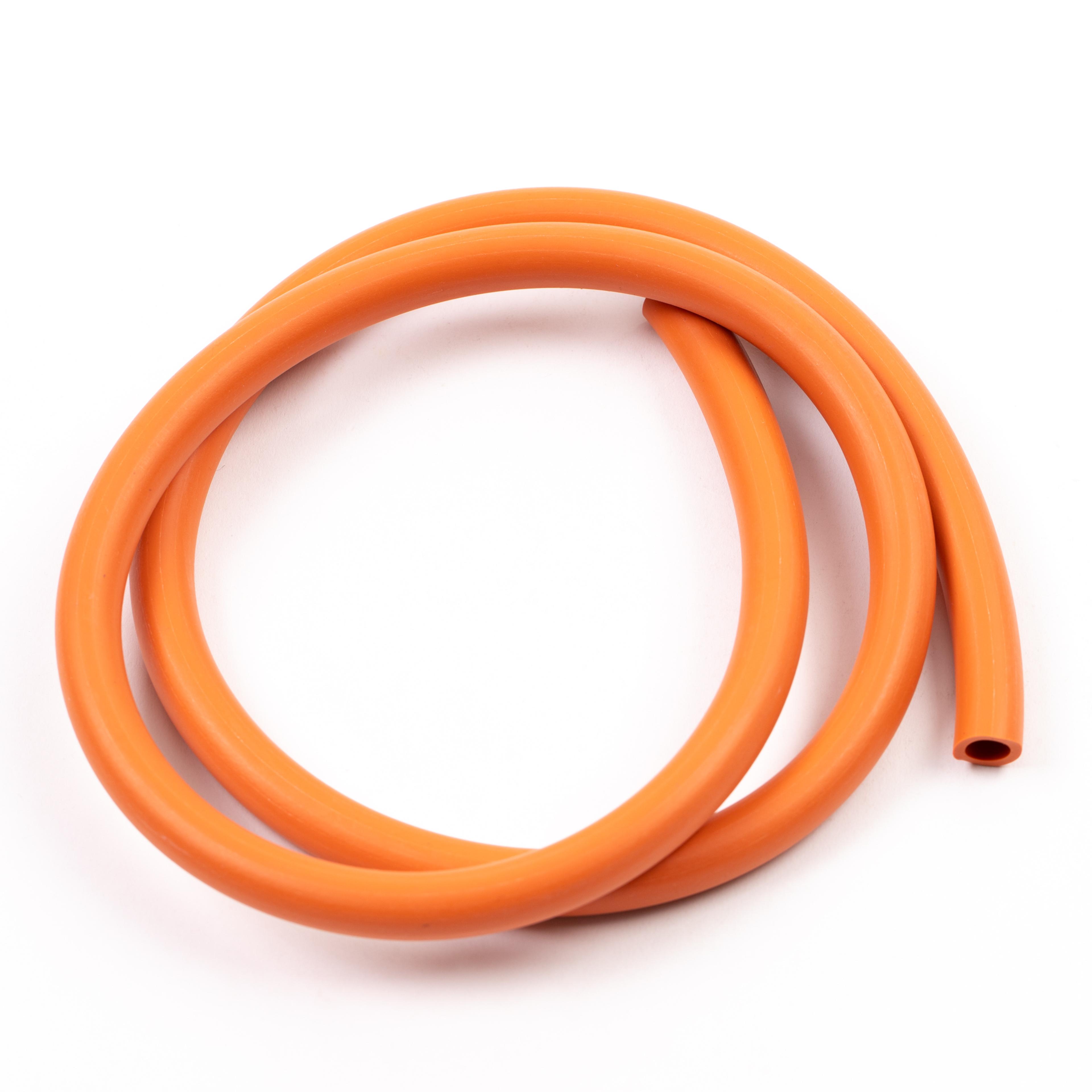
Fit the rubber tubing should tightly onto the nozzle of the syringe.
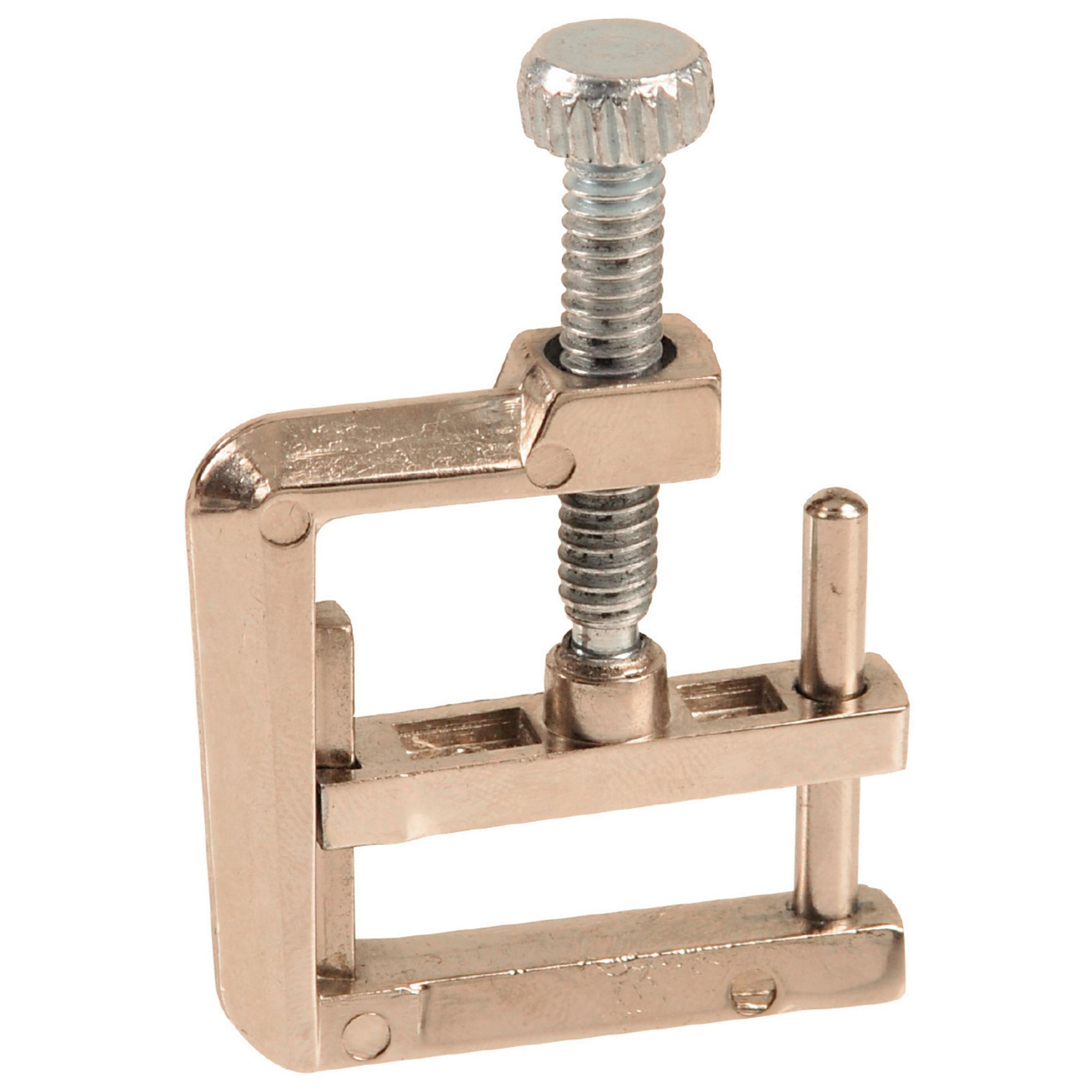
Fold over and clamp the tubing with the pinch clip as close to the nozzle as possible to produce an airtight seal.
Tie a loop of string to the end of the plunger so that the mass holder can be hung on it.
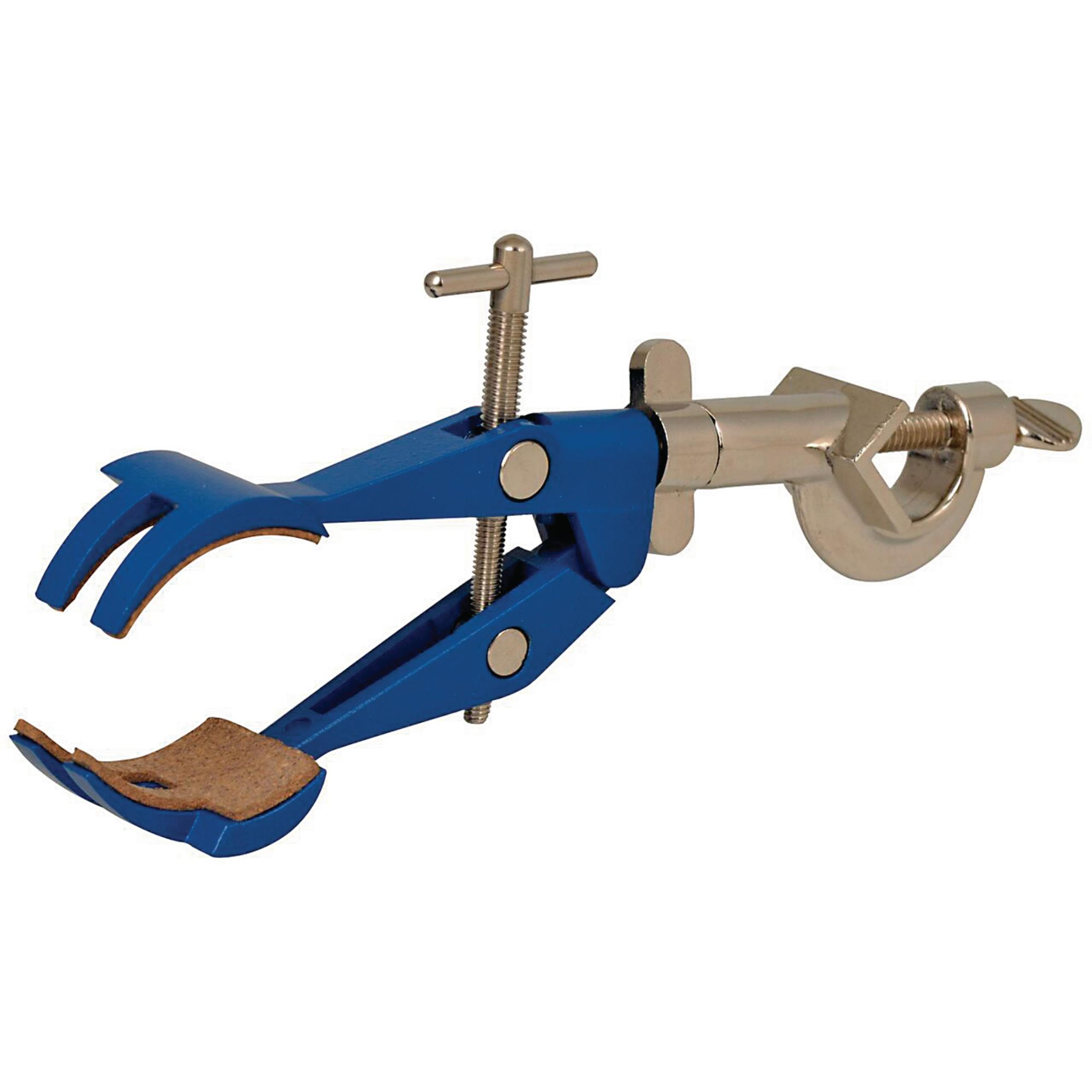
Clamp the syringe from the top of a stand.
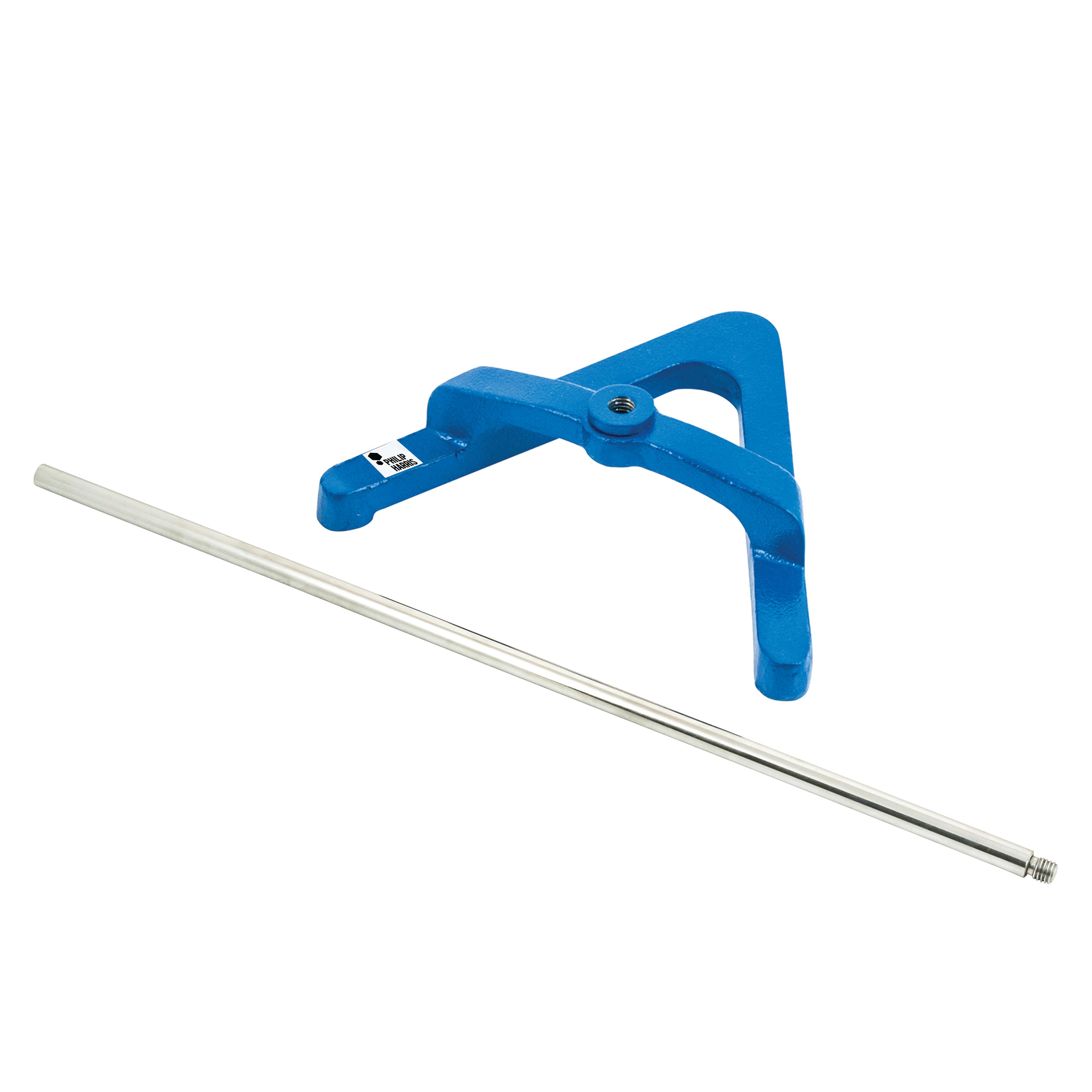
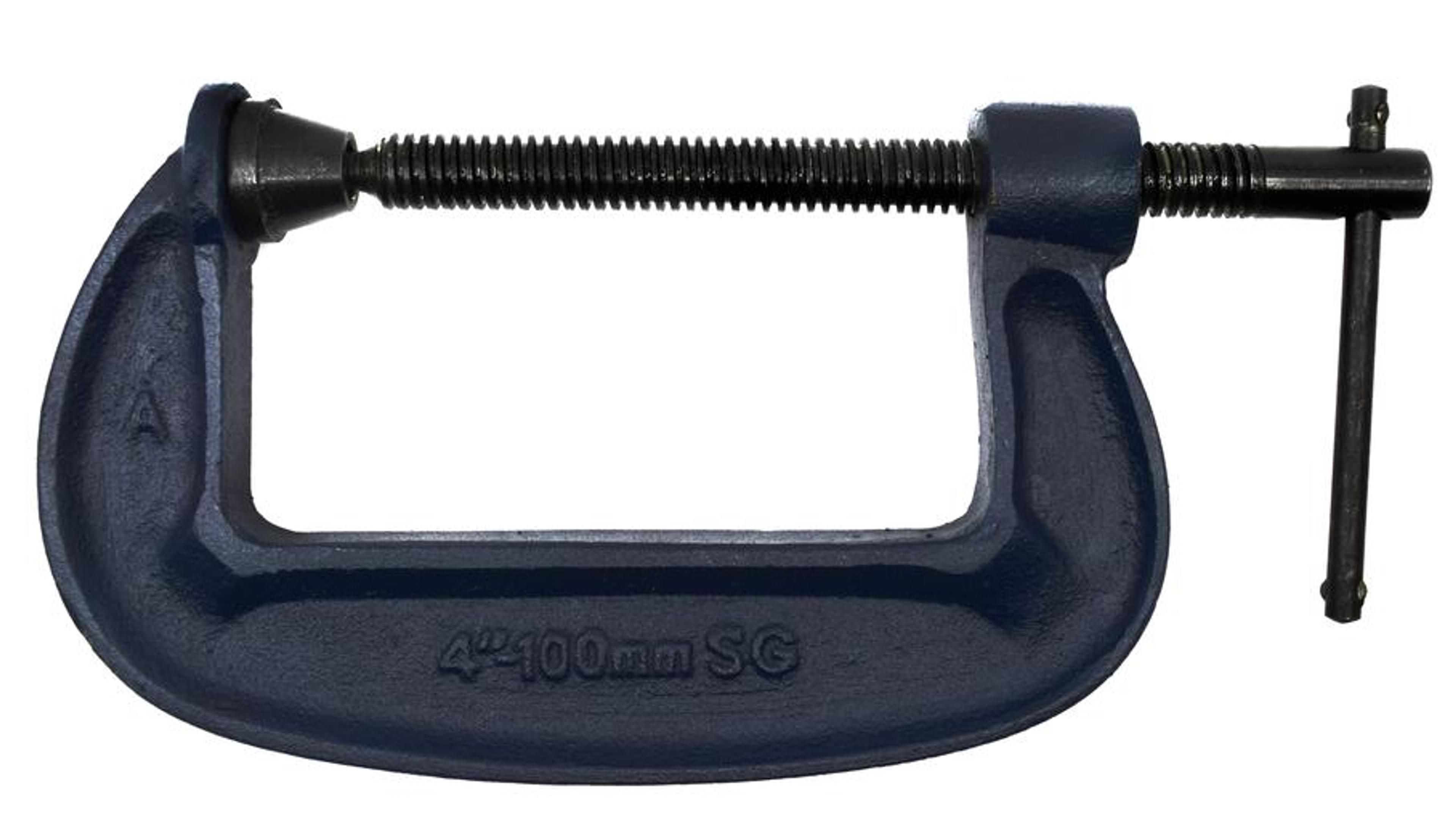
Place the 2 kg mass at the base of the stand as a counterweight or clamp the stand to the bench using a G-clamp to ensure the stand does not topple over.
Gently move the plunger up and down a few millimetres to ensure it is not sticking.
Conducting the Experiment
Boyle’s law
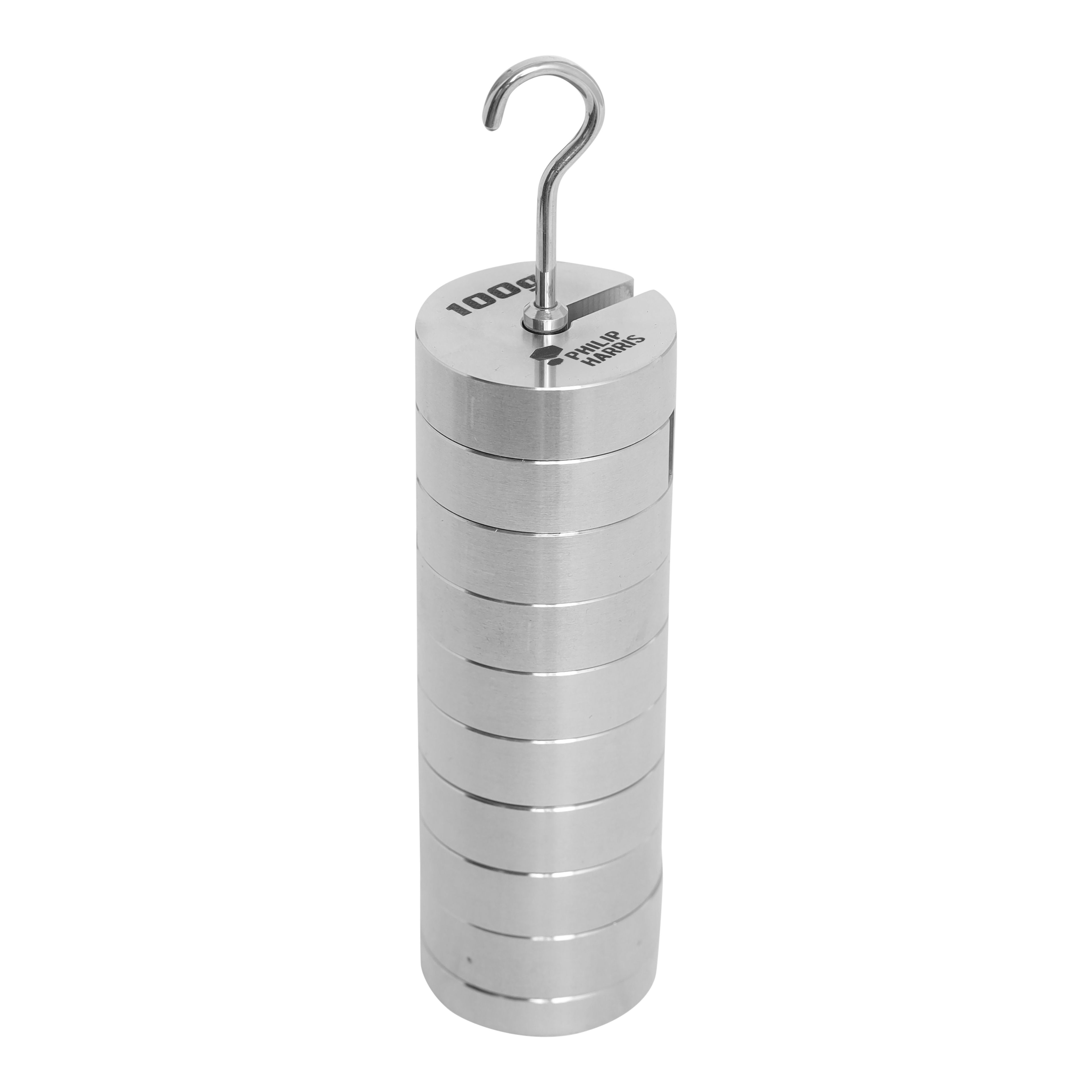
Initially place the 100 g mass holder carrying one 100 g mass and take note of the volume on the syringe scale.
Repeat the procedure with an extra two 100 g masses added to the holder each time, up to a total mass of 1000 g.
Repeat the experiment
Boyle’s law
The whole experiment should then be repeated to obtain a second set of results, and the mean volumes found.
Calculations and Analysis
Boyle’s law
Calculate the cross-sectional area of the seal A = πd2/4 in m2.
The force exerted by the masses can be calculated using F = mg where m is the mass in kg and g, the gravitational field strength, is 9.81 Nkg–1.
The pressure exerted by this force on the air sample is then F/A in Pascals (Pa). Convert this into kPa.
This should be subtracted from standard atmospheric pressure, 101 kPa, to obtain the pressure of the air sample, P. (Note: the initial volume of the air with no masses hung on the loop will be at standard atmospheric pressure).
A graph of 1/V against P should then be plotted (where V is the mean volume of the air sample for each value of P).
Provided care has been taken to ensure the plunger does not stick, a reasonable straight line through the origin should be obtained. (Any slight sticking could result in a graph which curves slightly and/or does not pass through the origin).

Technician tips
The syringe should be the type with a rubber seal on the plunger which is less likely to stick.
The syringe type with an O ring seal on the end of the plunger are better and tend to stick less than the type where the end of the piston is made of solid rubber.
The pinch clip securing the tubing should be as close as possible to the nozzle. There will be a little air in the nozzle, but this has negligible volume compared to the volume of air in the barrel of the syringe.
The clamp should be above the plunger so that the scale can be read. Clamping the syringe barrel can distort it, making it more difficult for the plunger to move freely.
Ensure the clamp is high enough on the barrel above the position where the plunger moves. There should be sufficient room below the masses so that the plunger can move down as masses are added.