Investigating stationary waves - A Level Physics
Students must investigate stationary waves on a stretched string. This practical links frequency, wavelength and wave speed. Students are assessed on setting up the apparatus, producing clear standing waves, and taking accurate measurements. The investigation involves changing the frequency or tension, recording wavelengths in a table, and lotting results on a graph to compare with theoretical predictions.
Subject: Physics | Level: A Level |
You will need:
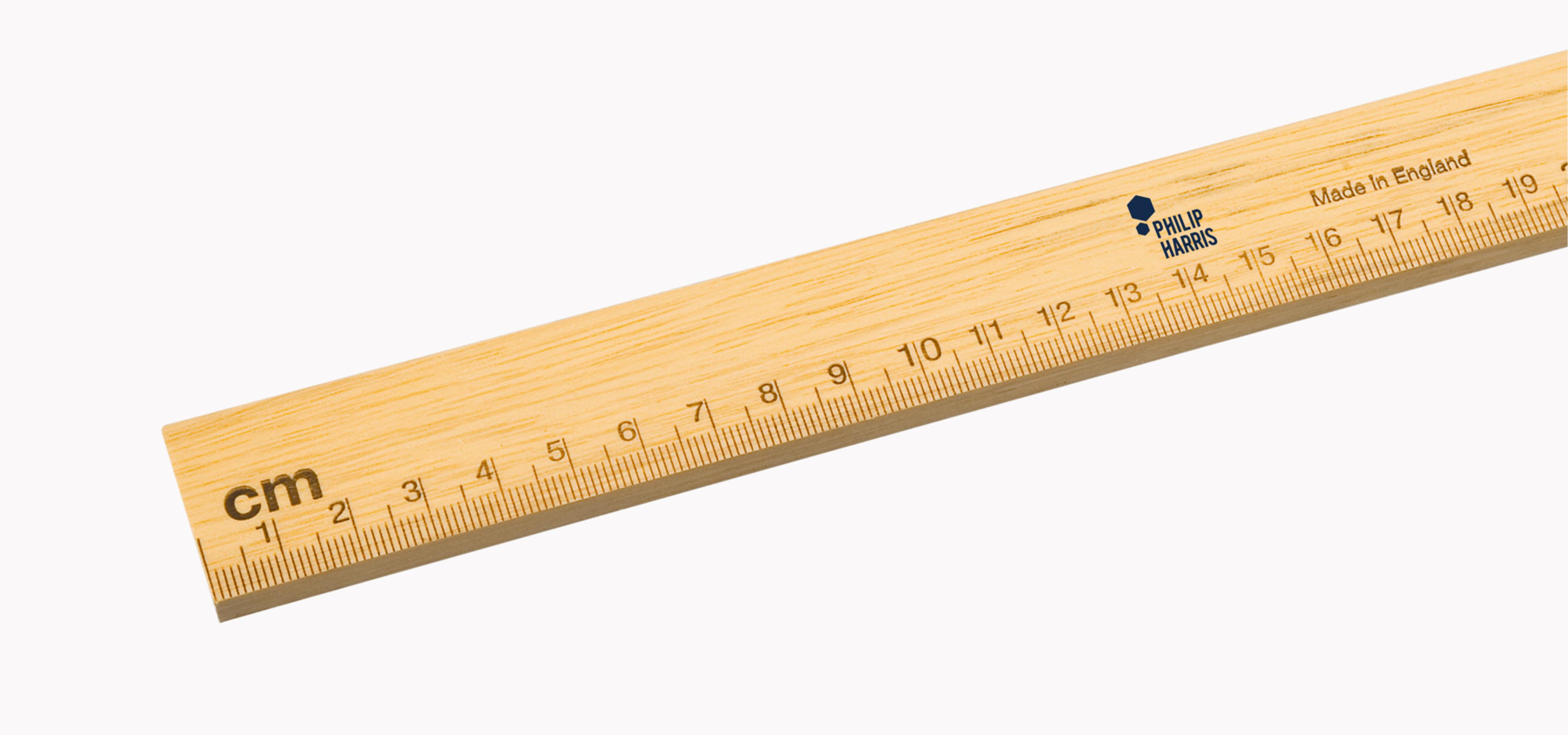
• Metre ruler
• 1dp balance
• Mat to protect floor in case mass falls
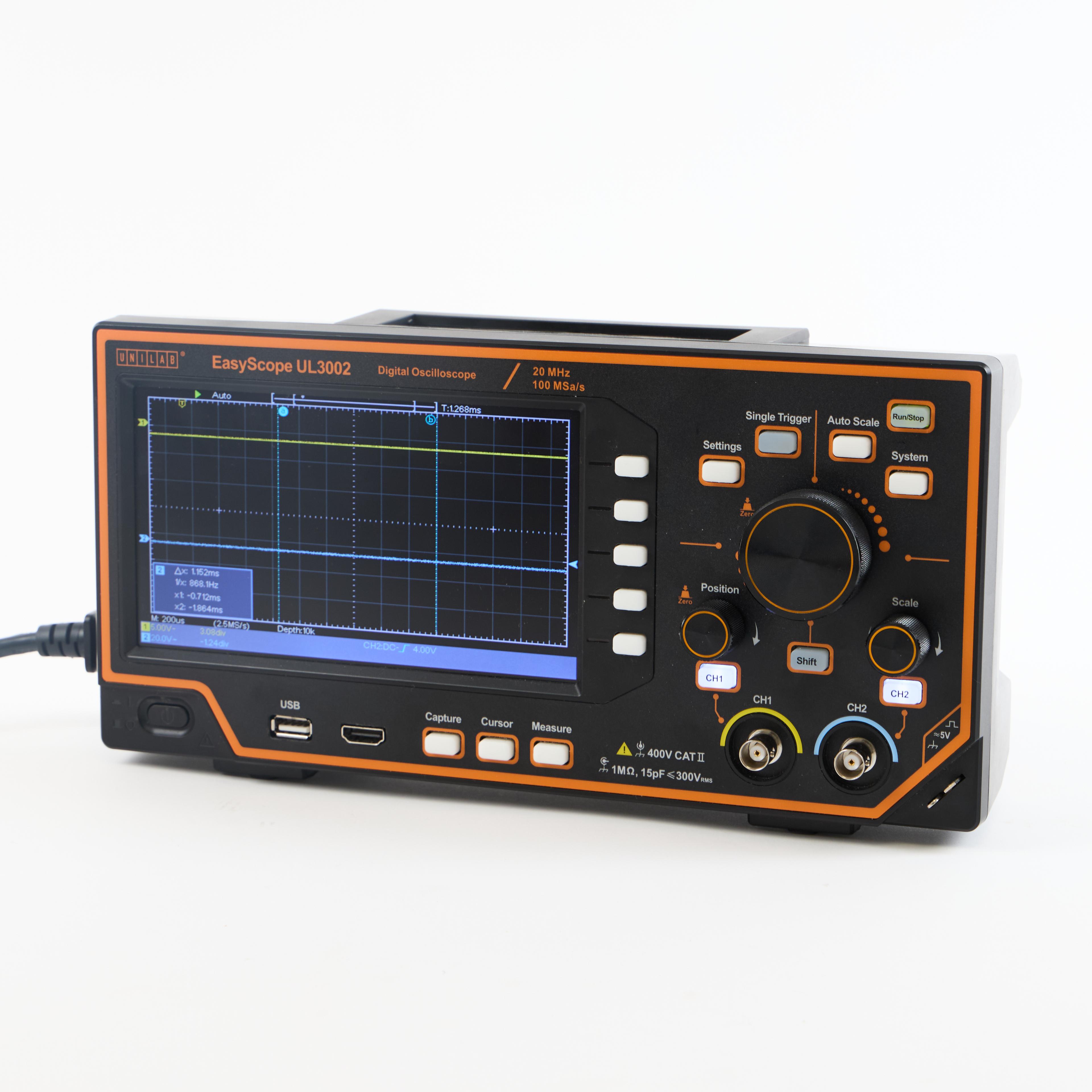
• Oscilloscope (Optional)
Method
Preparation and setup
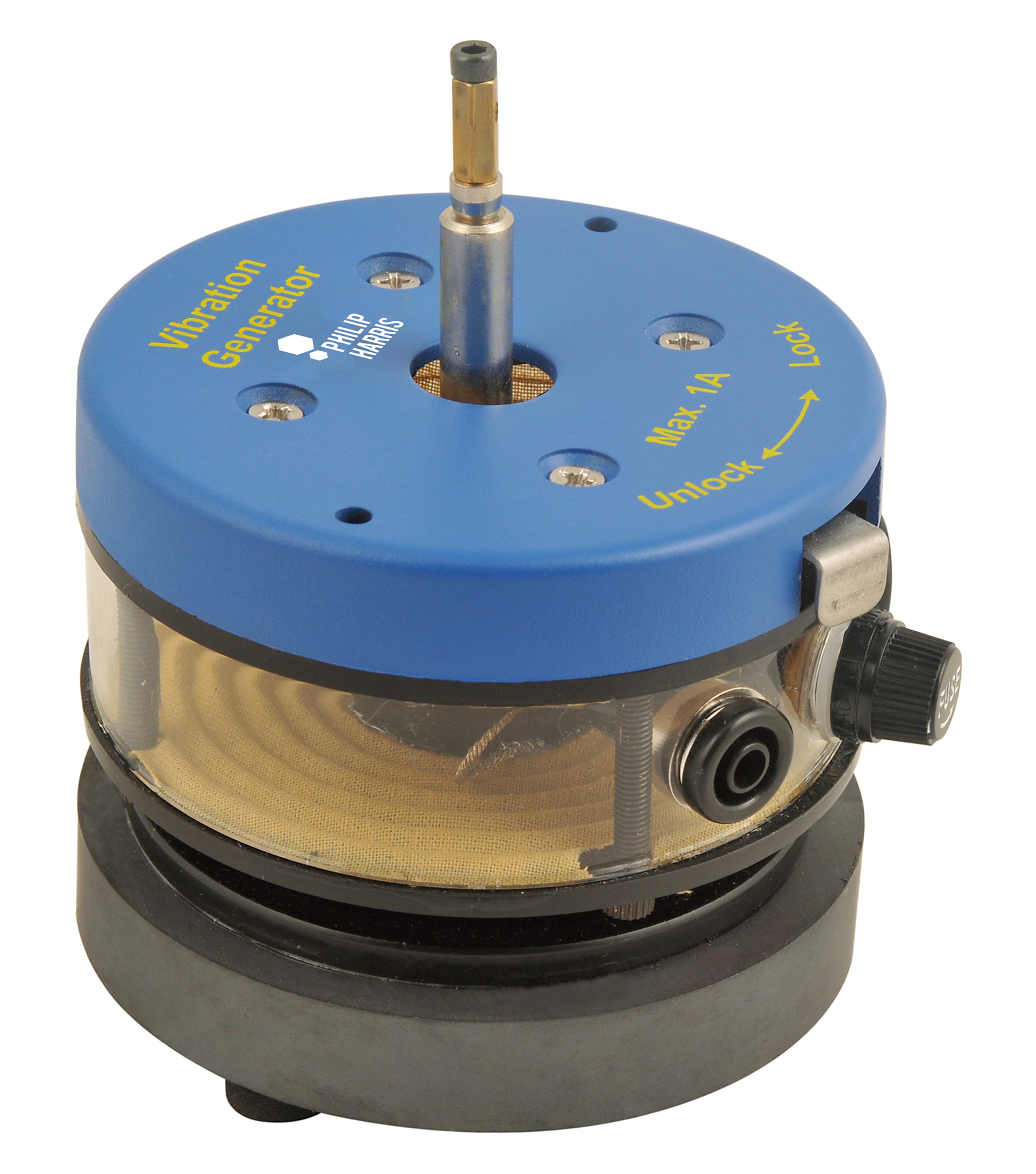
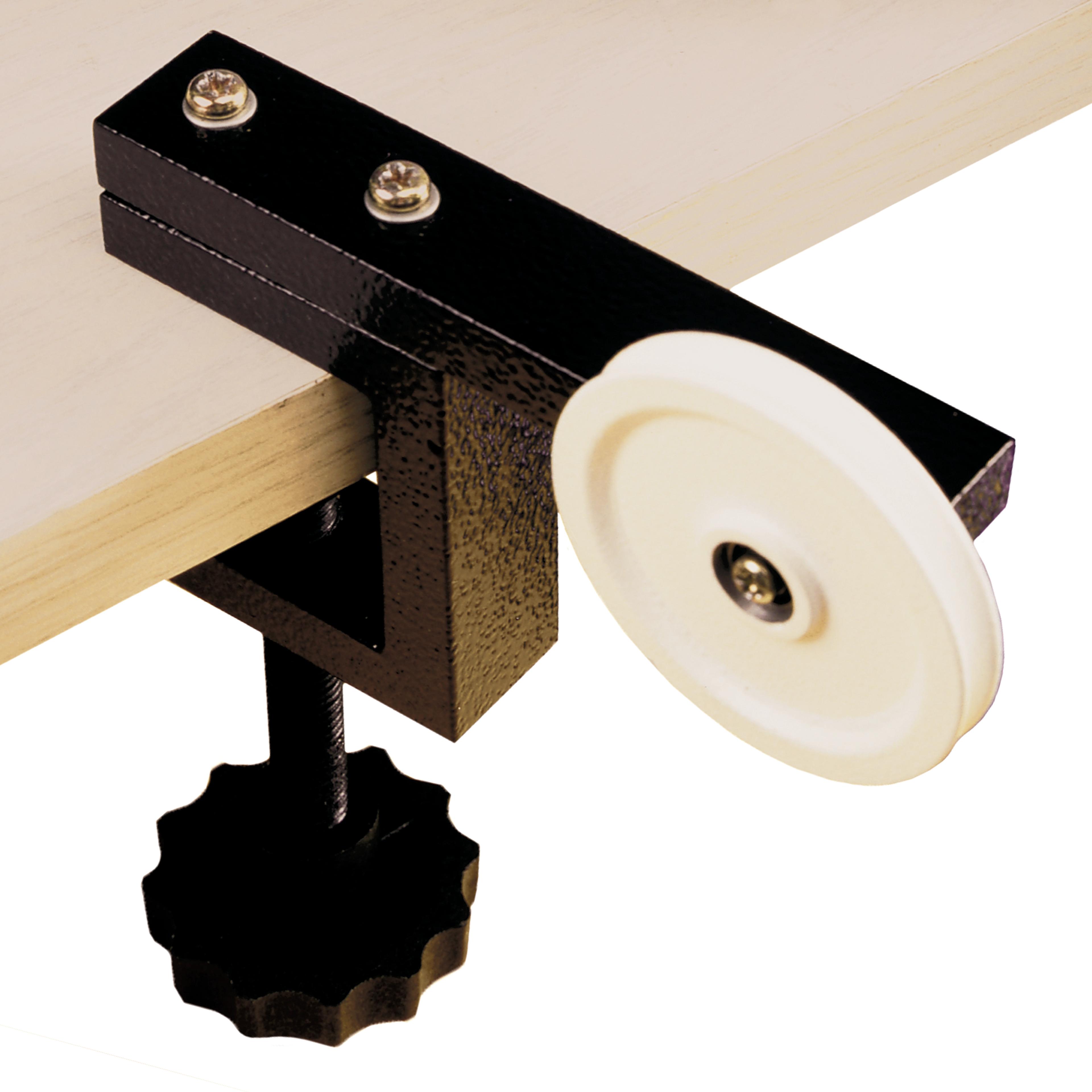
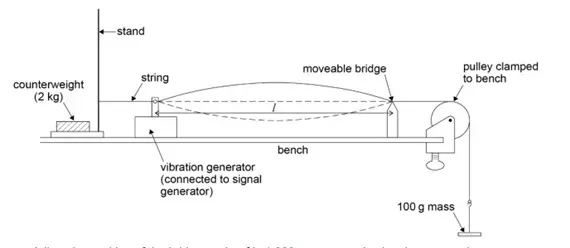
Thread the length of string through the vibration generator and make a loop, this goes over a retort stand to secure it. The retort stand is clamped or weighed down on the bench. The other end of the string is placed over the bench mounted pulley. Tie another hoop at the end of the string for a mass hanger, this provides tension in the string.
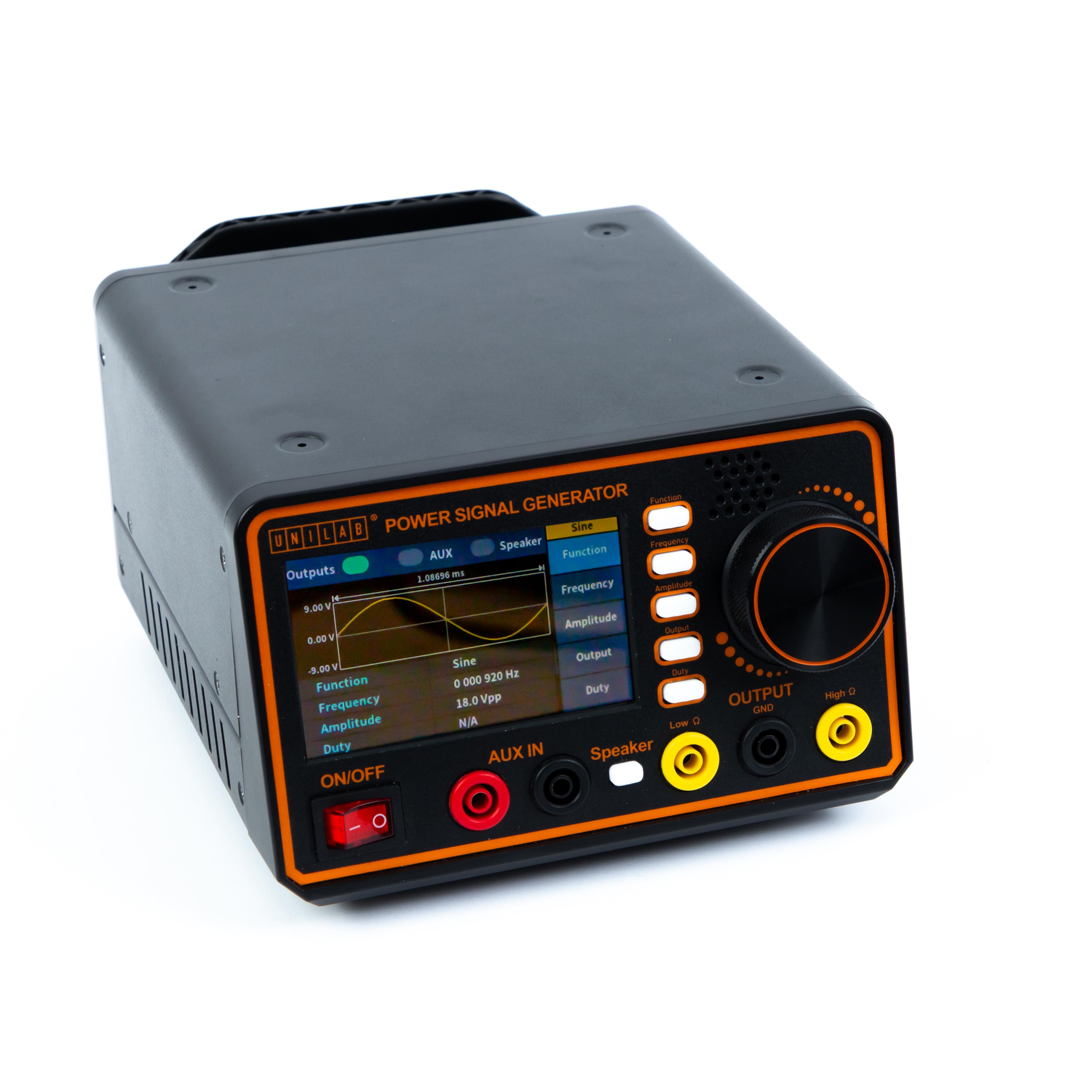
2. Connect the signal generator to the vibration generator.
Conducting the Experiment
Adjust the position of the bridge so that l is 1.00 m measured using the metre ruler.
Increase the frequency of the signal generator from zero until the string resonates at its fundamental frequency (as indicated in the diagram with a node at each end and a central antinode).
Read the frequency f, on the signal generator dial or display.
Repeat the experiment
Repeat the procedure with l = 0.900, 0.800, 0.700, 0.600 and 0.500 m.
Obtain a second set of results by repeating the experiment and find the mean value of f for each value of l.
The experiment can also be repeated with different masses hanging from the string, and different thicknesses of string to investigate the effect of changing T and 𝜇.
Calculations and Analysis
Plot a graph of mean 1/f against l.
Draw the best straight line of fit though the points and find the gradient (the graph should be a straight line through the origin).
The speed of the travelling waves on the string is 𝑣 = fλ where λ is the wavelength. When the string is vibrating in its fundamental mode, λ = 2l. Hence 𝑣 = 2fl. The gradient is 1/ fl so 𝑣 is given by 2/gradient in ms–1.
The speed is also given by 𝑣 = √(T/𝜇) where T is the tension in the string in N and 𝜇 is the mass per unit length of the string in kg m–1.
With a 100 g mass hanging from the string, T = 0.981 N, 𝜇 can be found by weighing the 1.5 m length of string on an electronic balance, converting this into kg, and dividing by 1.5. These values can then be substituted into the above equation to find another value for 𝑣, which can be compared to the value obtained from the graph.
An oscilloscope can be used to find a more accurate value for frequency

Technician tips
Using string can be safer than wire in case it snaps under tension.
The signal generator should be operated for a time to allow for the frequency to stabilise.
The output level should be turned up to a value which gives steady vibrations of the vibration generator.
The string should be tied to the stand and passed through the hole in the vibration generator.
Ensure to unlock the vibration generator.
A crash mat should be placed on the floor under the masses in case they fall.
The bridge should be at the same height as the hole in the vibration generator pin.
The 2 kg mass is used as a counterweight to ensure the stand does not topple over (an alternative would be to clamp the stand to the bench using a G-clamp).
The investigation can be carried out by adjusting the length of string using the bridge, adjusting the tension of the string by adding mass or by changing the string used to give different value of mass per unit length of the string.
A sample length of the same string can be weighed on the balance to give a known value for 𝜇