The Young Modulus - A Level Physics
Students must investigate the stretching of a wire or material. The practical links applied force to material extension. Students are assessed on accurate measurement of length, diameter, and extension. The investigation involves recording extensions for different loads in a table and plotting results to determine Young’s modulus.
Subject: Physics | Level: A Level |
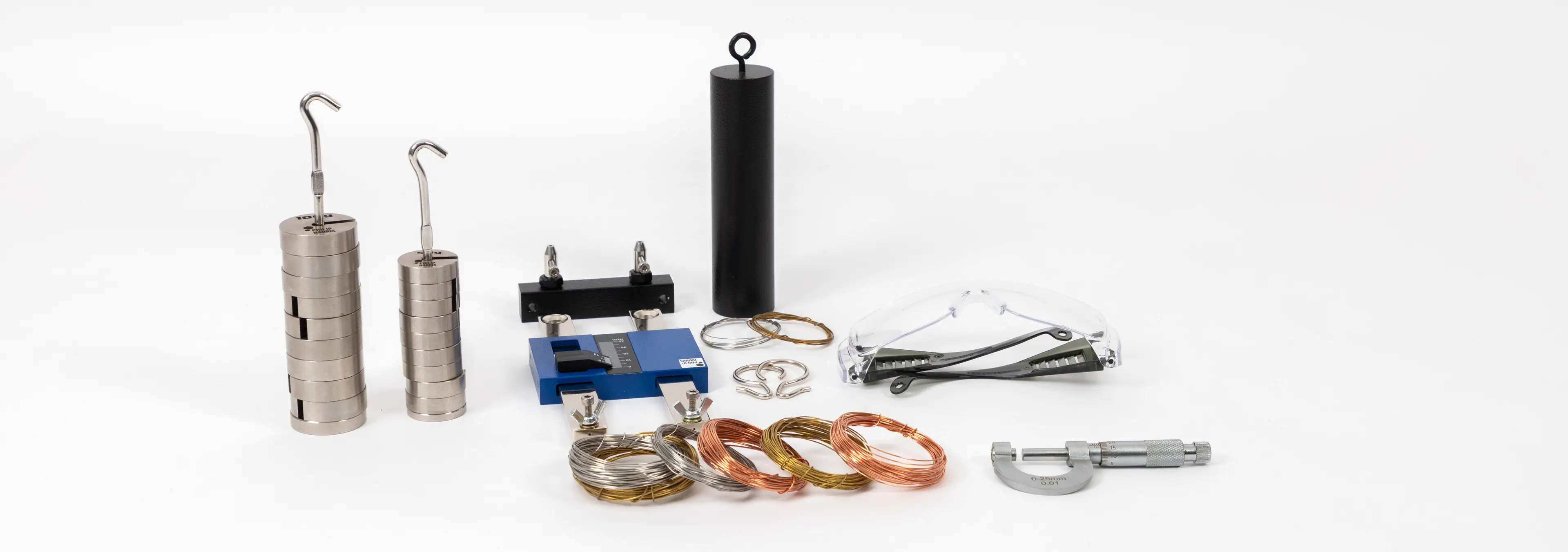
You will need:
Horizontal
Method
Preparation and setup
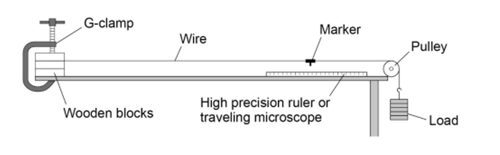
Horizontal setup
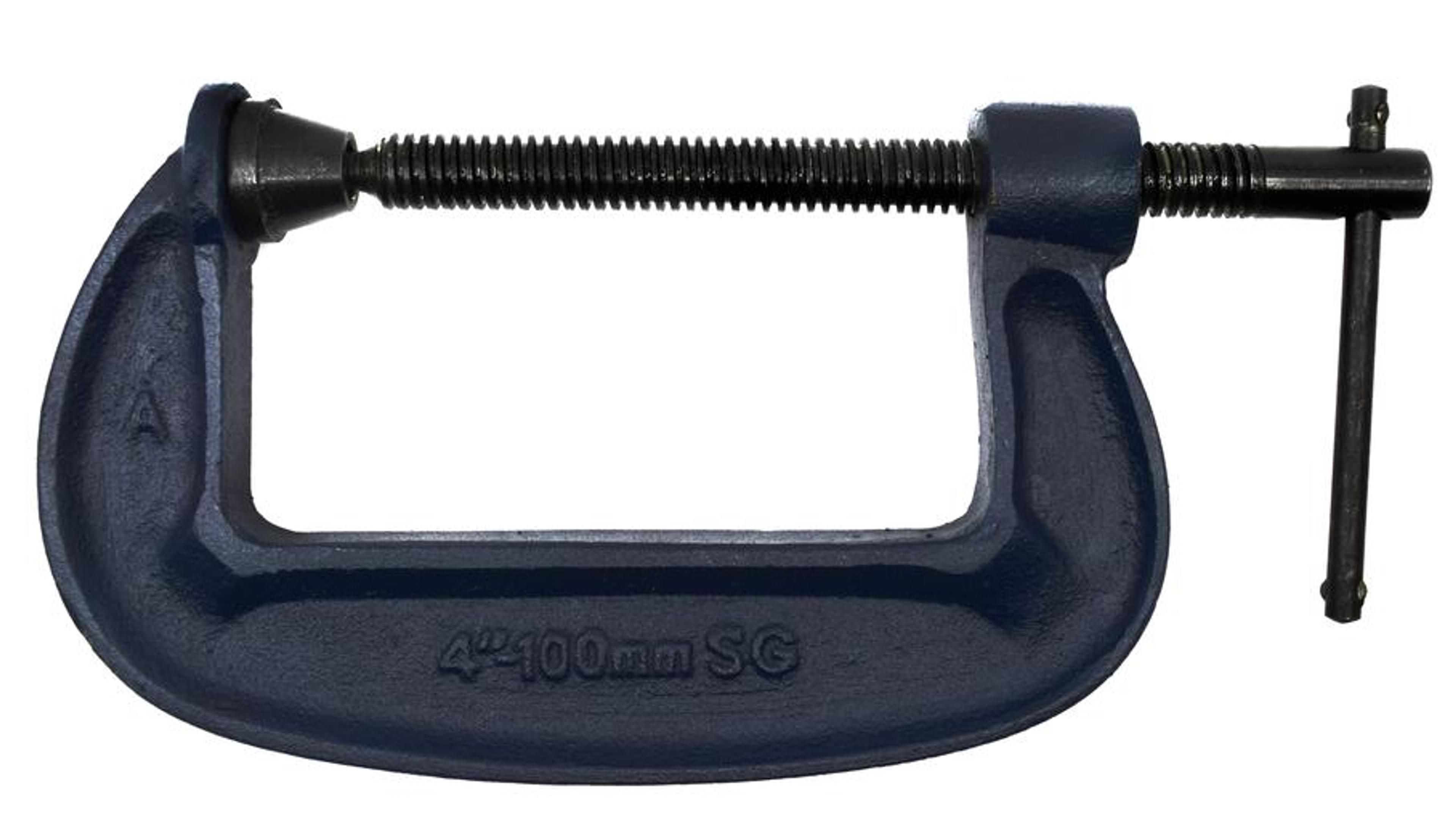
Attach the length of wire between two wooden blocks at one end of a table with a g-clamp.
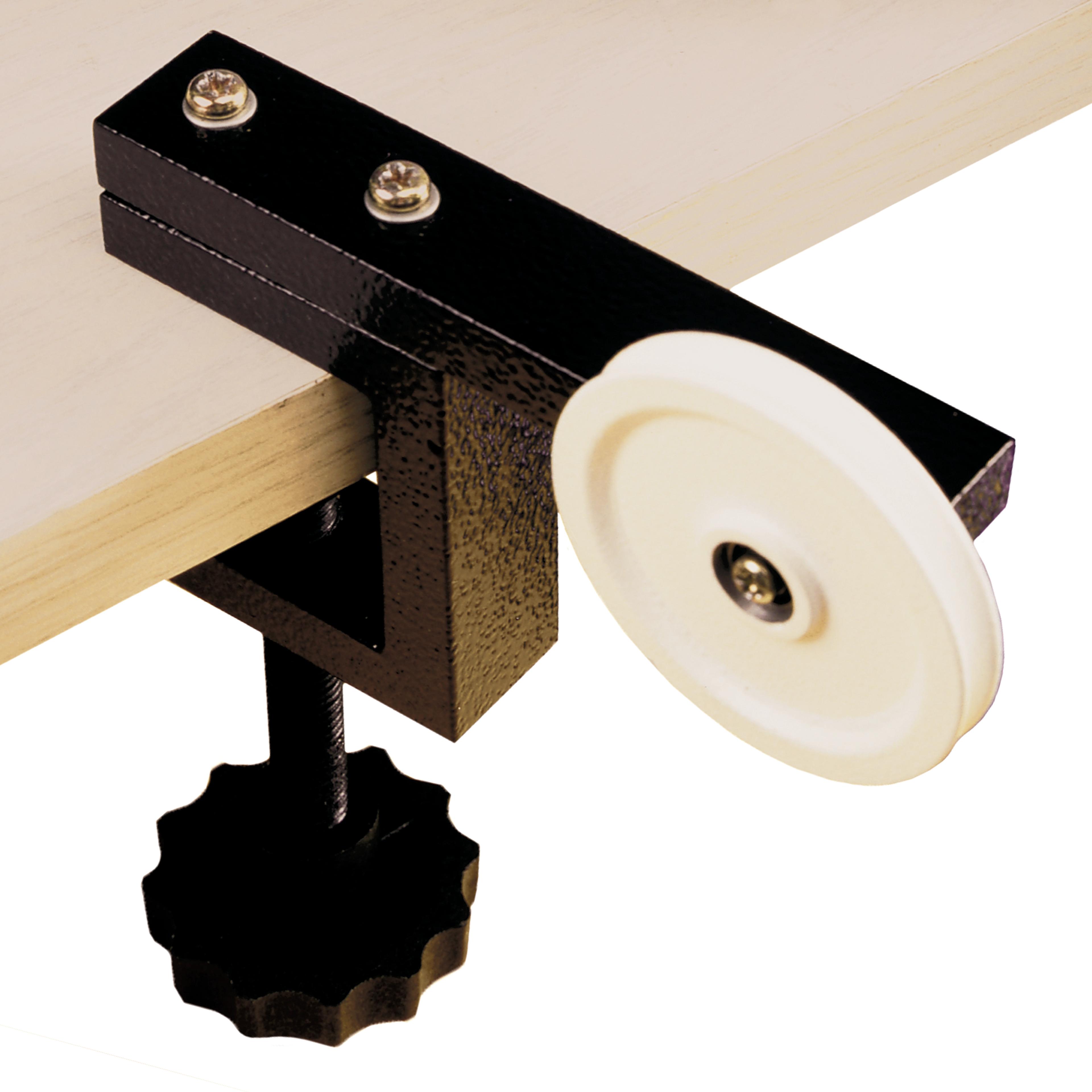
Attach a pulley to the opposite end of the table
Create a loop at the free end of the wire which hangs over the pulley, ready to bear weight.
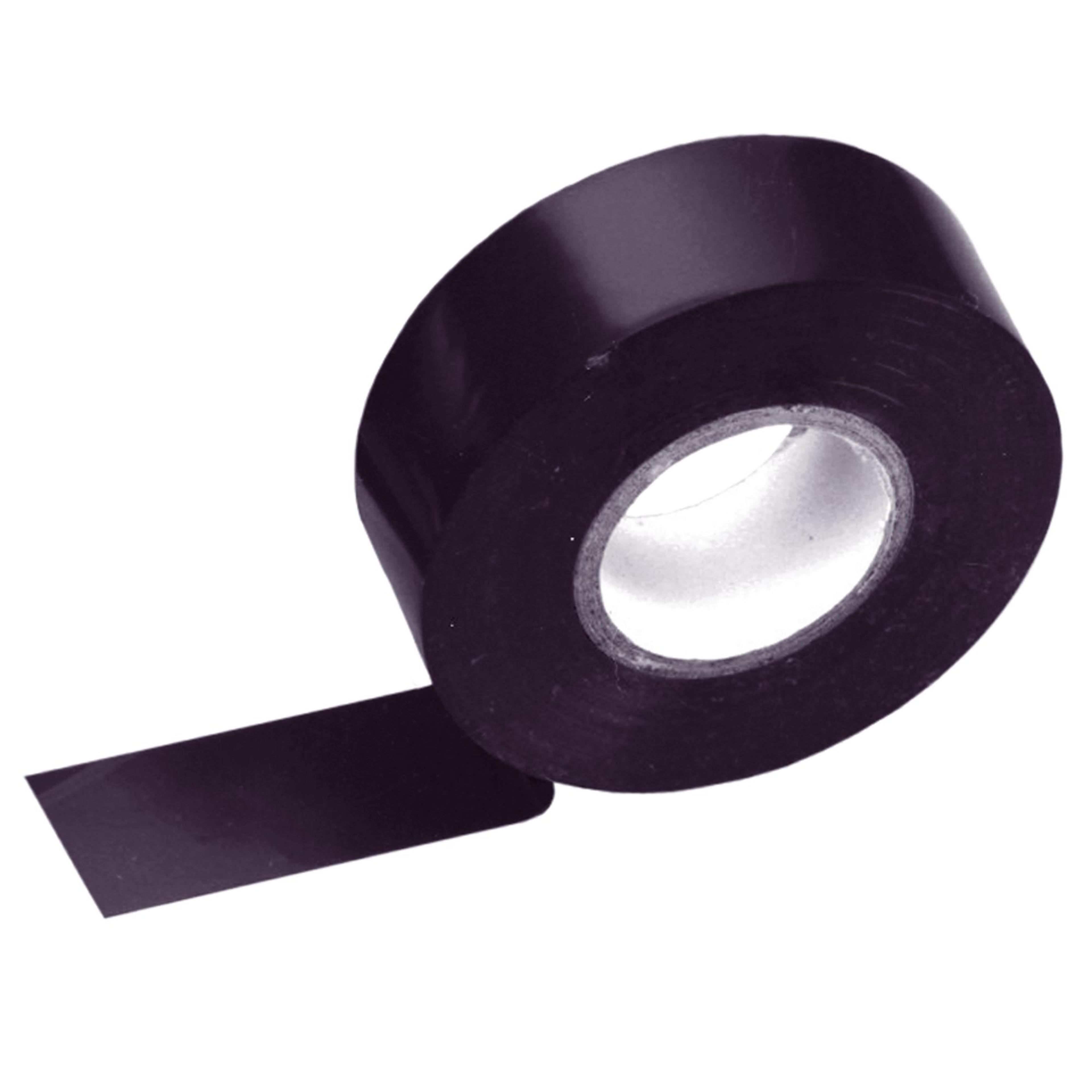
Create a marker with tape on a point of the length of wire.
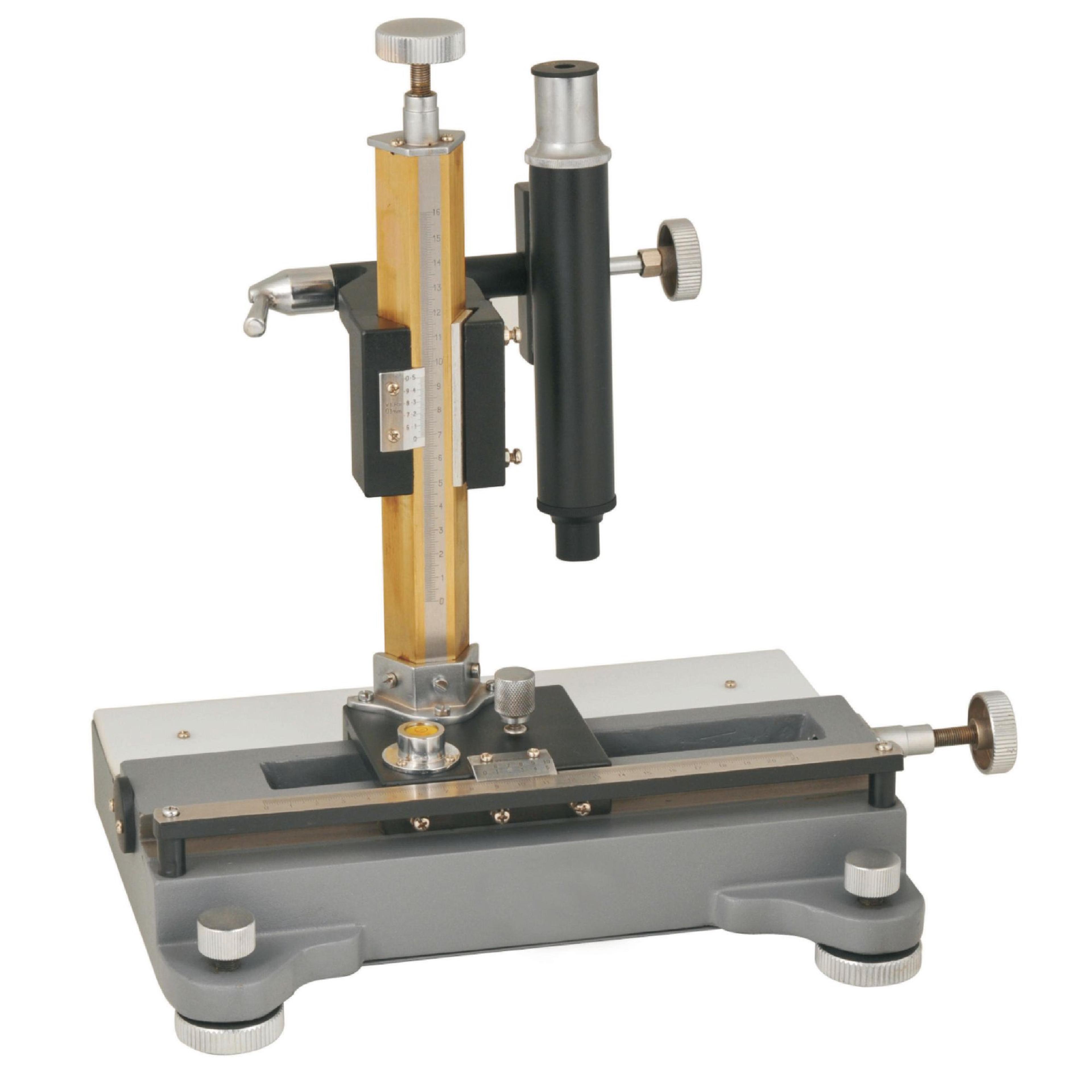
Place a high precision ruler or travelling microscope in view below the marker.
Vertical setup
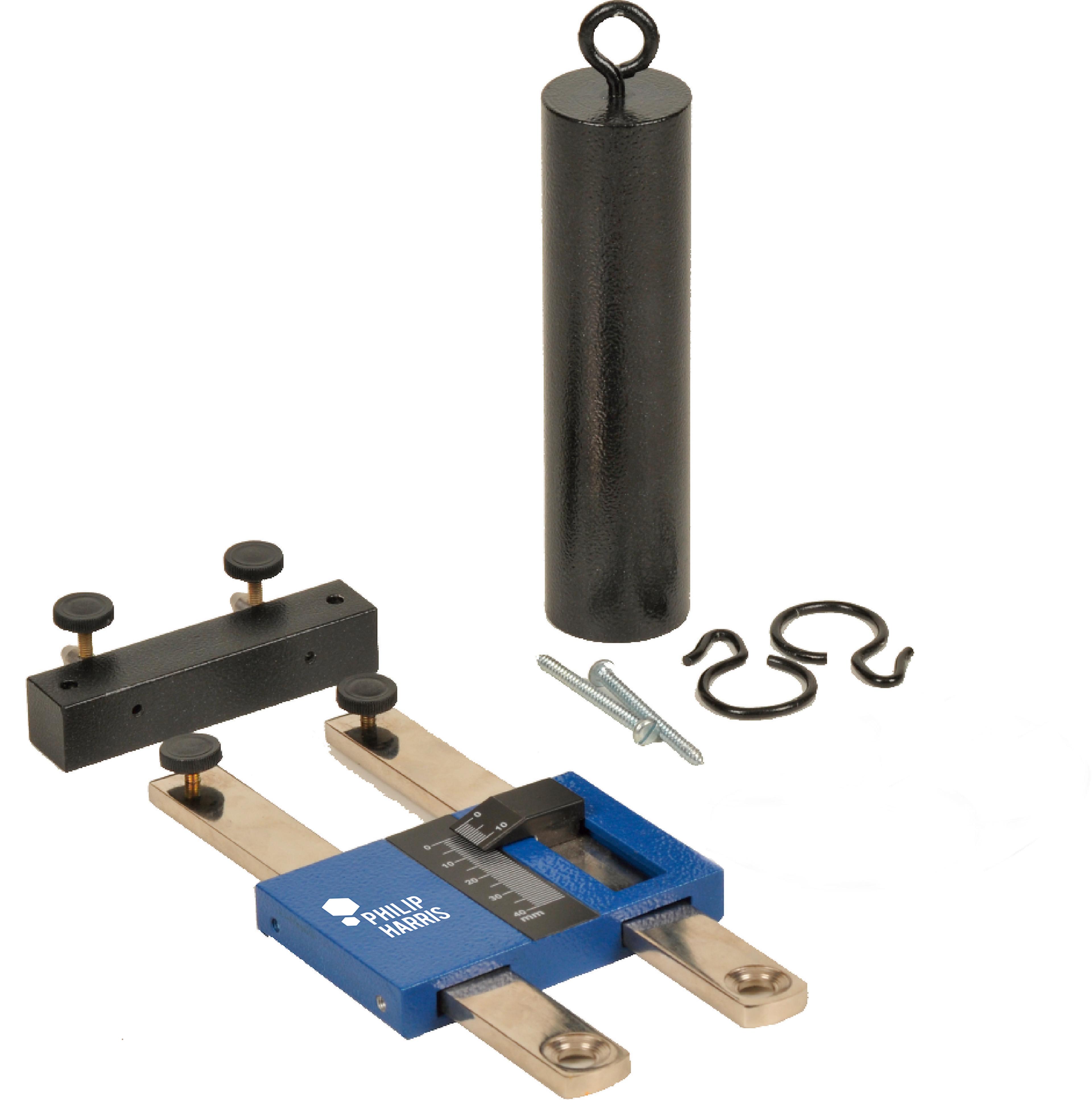
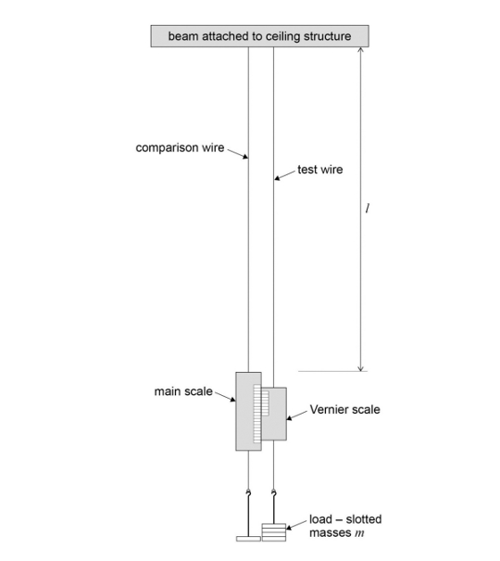
Locate the ceiling beam and attach the Searle’s apparatus to the structure
Conducting the Experiment
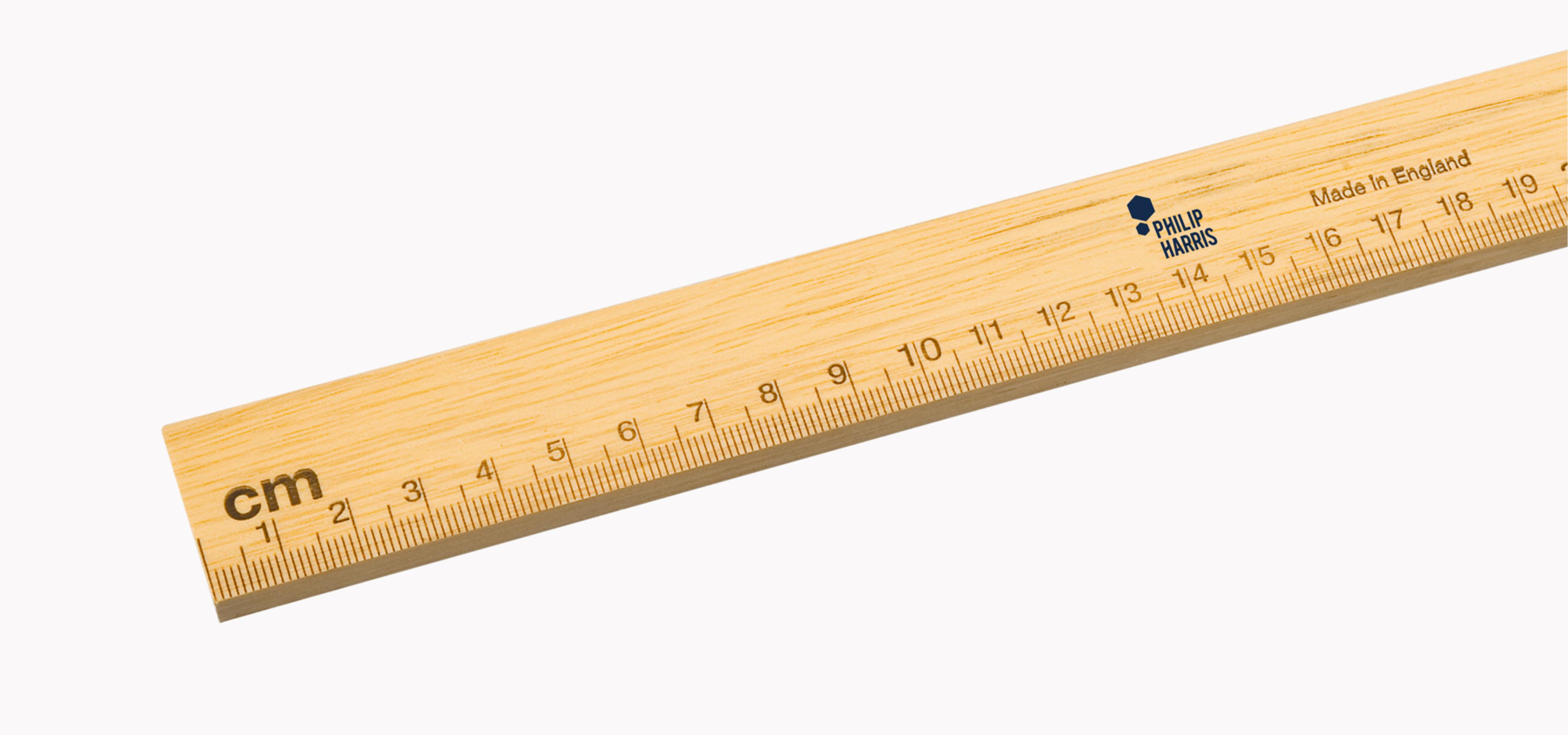
Measure the initial length of the test wire, l, with the metre ruler.
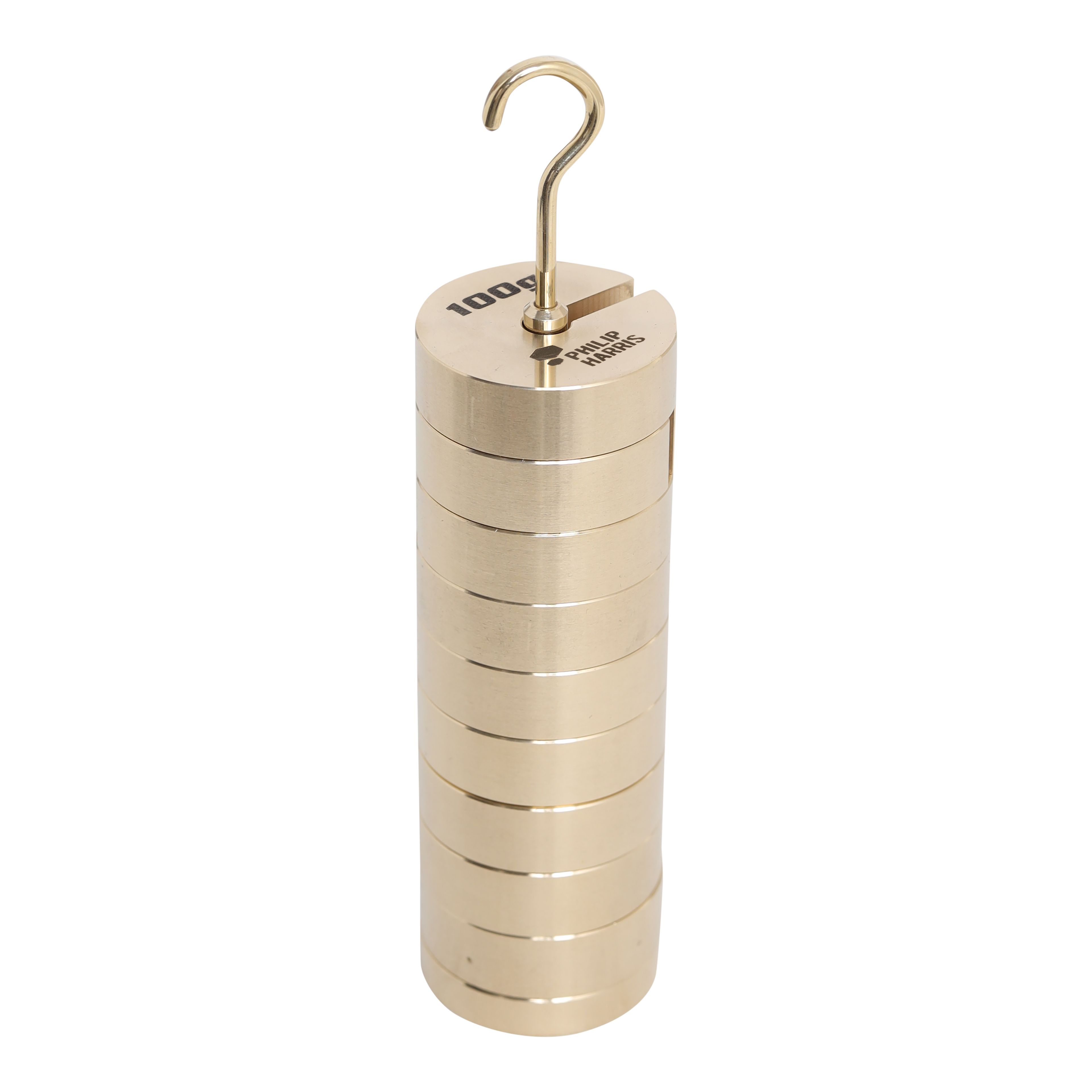
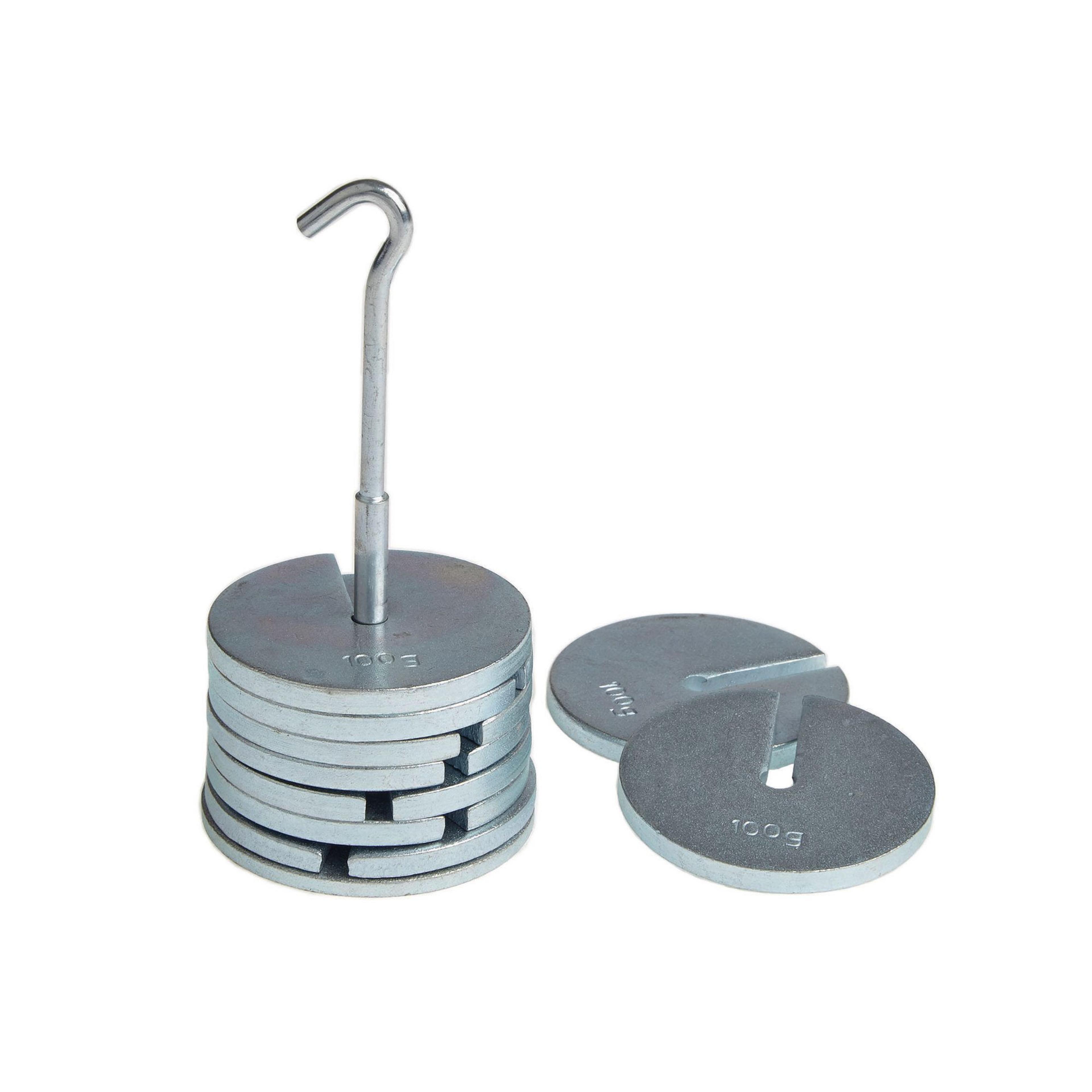
A 1 kg mass hanger is initially attached to each wire, to ensure both wires are initially stretched taught.
Take the initial scale reading, using the vernier scale to read to 0.1 mm.
Add an additional 1 kg (or 0.5 kg) mass to the test wire and take the new scale reading using the vernier. The extension of the wire can be calculated by subtracting the two scale readings.
Repeat the process, adding an extra 1 kg mass (or 0.5 kg) mass each time, take the new scale reading and calculate the corresponding extension. A total mass of up to 8 kg should be adequate.
With the wire full loaded remove a 1 kg mass and take the scale reading.
Continue to unload the wire, 1 kg at a time, taking the scale reading each time.
The extension of the wire for each mass during the unloading process can then be calculated. If the extension during unloading is greater than during loading, the elastic limit for the wire might have been exceeded. If the extension values are similar a mean extension for loading /unloading can be calculated for each mass.
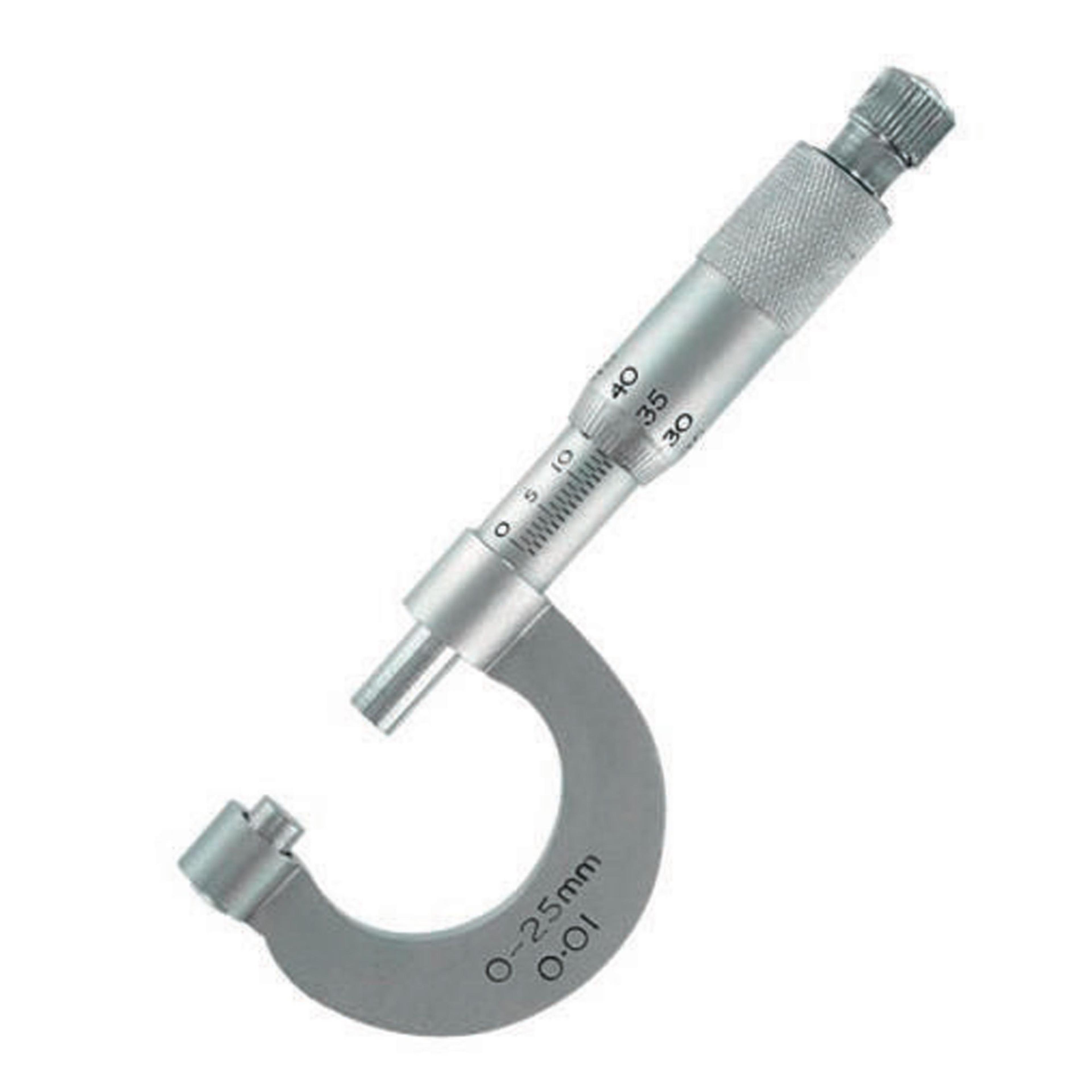
Measure the diameter of the wire at several places using a micrometer screw gauge.
Repeat the experiment
Any repetitions must be done on a new length of wire.
Calculations and Analysis
Plot a graph of mean extension, e, on the y-axis against load, mg. (where g = 9.81 N/kg)
The Young Modulus for the material of the wire (steel) can be calculated using the gradient of the graph.
Estimate the uncertainty in your values of l, A, e and m. Use the values to estimate the overall uncertainty in the value obtained for Youngs Modulus.

Technician tips
It is important that the steel wire used is completely free from kinks – otherwise any measured ‘extension’ will partly be due to the straightening out of the kinks. Scientific equipment suppliers produce suitable wires for this experiment. They also supply suitable clamps to attach the wires to the ceiling beam, vernier-scale arrangement and mass holder.
A 1 kg mass will produce an extension of 0.47 mm for a 1.5 m steel wire of diameter 0.45 mm. Consequently, an accurate measurement of extension requires specialised apparatus. The mm scale and vernier arrangement is one designed specifically for this experiment – the vernier is attached to, and slides alongside the main scale. The main mm scale is usually clamped to the comparison wire and the vernier section clamped to the test wire.
The main safety consideration is the possibility of the wire breaking. Goggles should be worn and a sand tray placed underneath the arrangement to catch the falling masses.
The comparison wire compensates for sagging of the beam and thermal expansion effects and provides a reference point against which to measure the extension of the loaded test wire.
When stretching a wire horizontally, Tippex or a small dressmaker pin could be used as a marker.
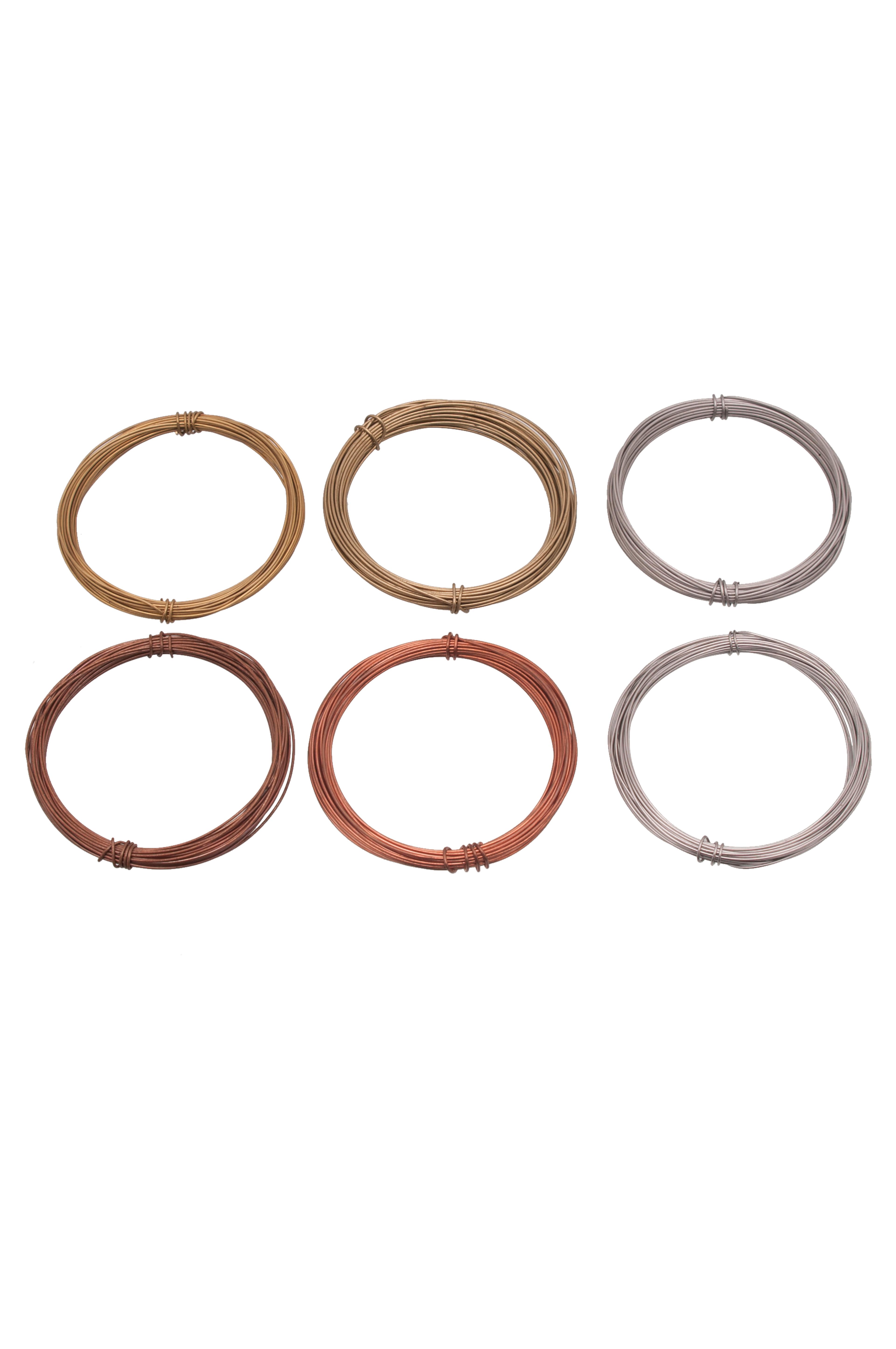
For the horizontal version of the experiment, use 2 m of 32SWG copper wire (400 g mass should produce an extension of about 1 mm).
Searle’s apparatus is very precise, but sometimes there is not enough room in the classroom to install a full class set. Similar results could be achieved using a horizontal version and traveling microscope, as shown below. If traveling microscopes are not available, high precision rulers could be used (0.5 mm precision).