Dissection of a gas exchange system A Level Biology
During this required practical, students are to conduct a dissection of an animal or plant gas exchange system. The following procedure describes dissection of fish gills.
Students are expected to know and label the various parts of the organs. Access to a camera in order to photograph the students evidence once the organs have been dissected is a useful piece of equipment.
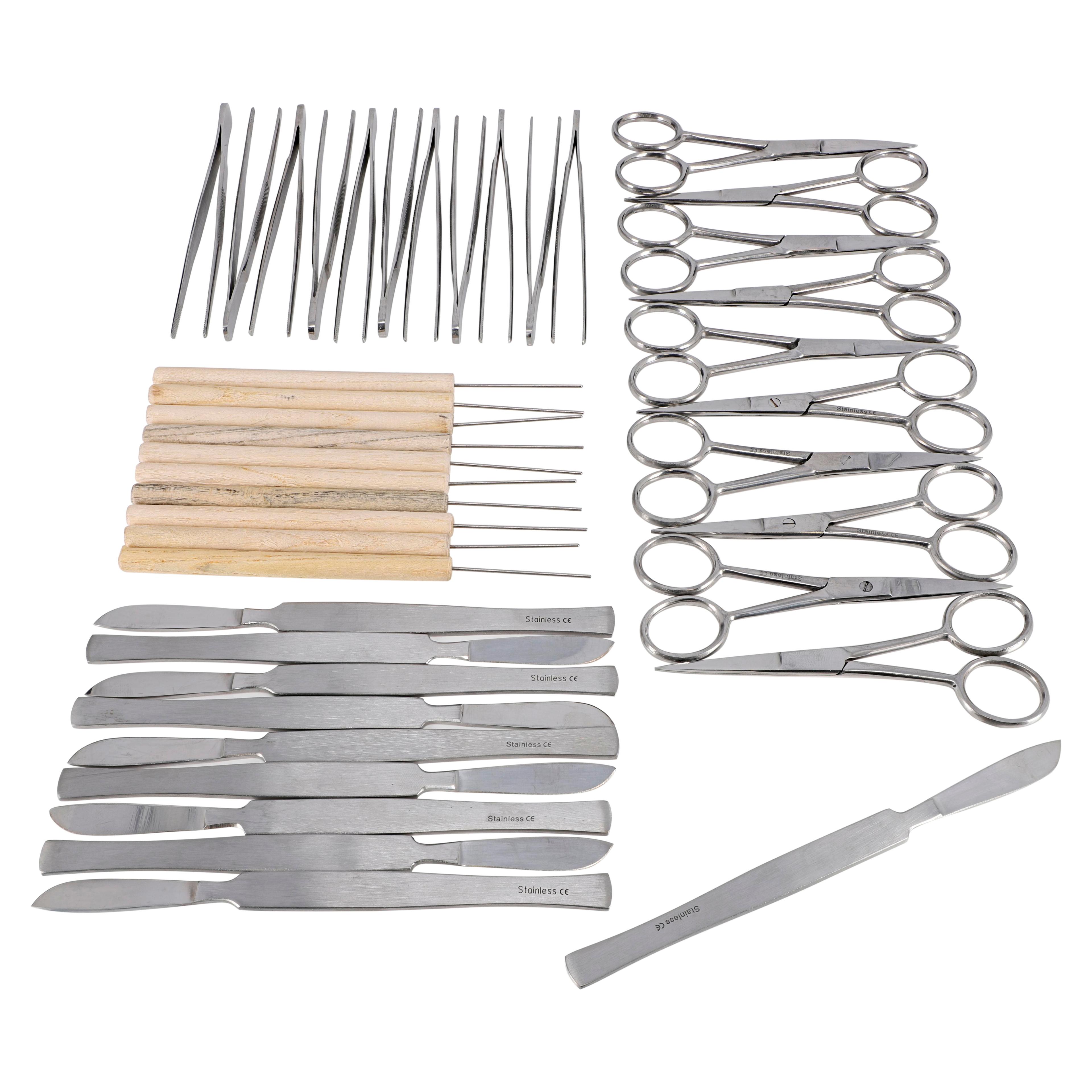
All dissection supplies recommended are Halal. Extreme care should be taken when using dissection tools.
Subject: Biology | Level: A Level |
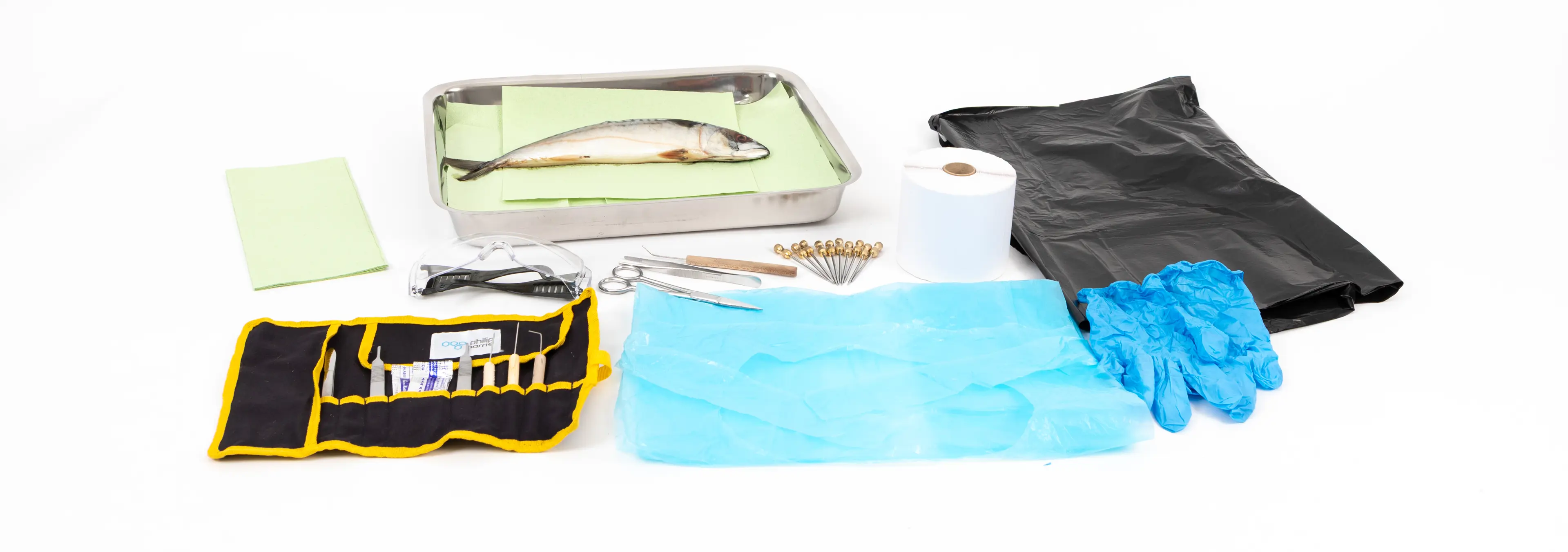
You will need:
• Virkon disinfectant
• Safety goggles
• Disposable aprons
• Cocktail sticks
• Fish, for example mackerel
Method
Start with the head
With the fish in it’s side locate the boney plate that protects the gills, lift the plate up to expose the gills, then carefully cut the plate away from it’s base
To remove the gills, students will need to cut away at both the upper and lower attachments.
Next, students can remove the eye, once removed allow them to cut through the cornea and remove the lens, students should be able to make observations about the lens and relate this to the function of a fish eye.
To begin the dissection of the main body of the fish, carefully cut the fish from the tail end up to the bottom of the jaw, students may find this easier using a pair of scissors. Students need to take care not to damage any of the internal organs of the fish whilst carrying out this stage of the dissection
Allow students to examine the digestive tract, they can trace the journey the food would take, tracing the tract from the mouth through the stomach and intestines.
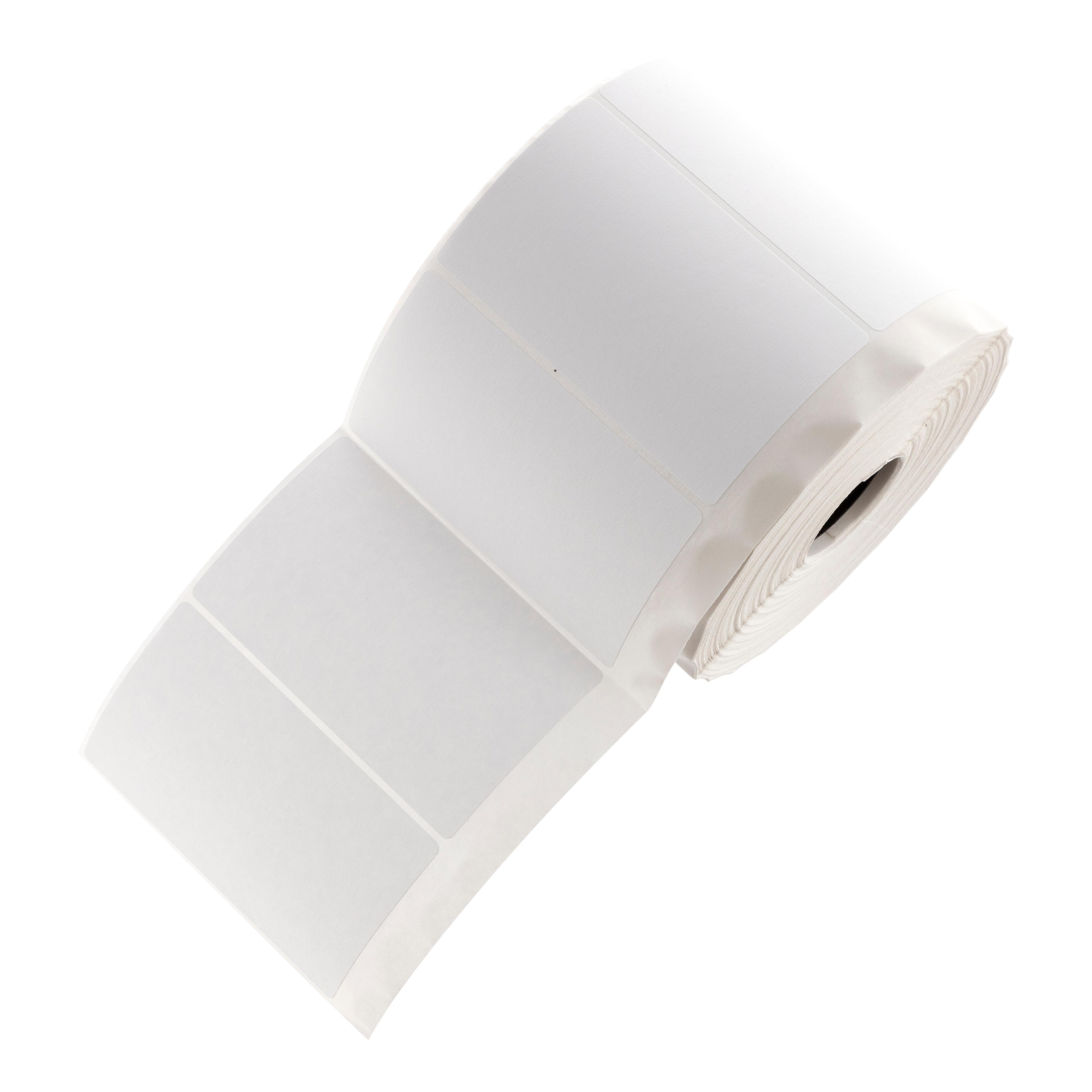
Using cocktail sticks and sticky labels students should be able to identify the Liver, Gall Bladder and Spleen.
Student can then move on to find the reproduction organs and identify the sex of the fish.
Lie the fish on it’s back, and allow students to locate the and label the kidneys and the heart.
Remove the heart and identify the chambers of the heart which should be visible.
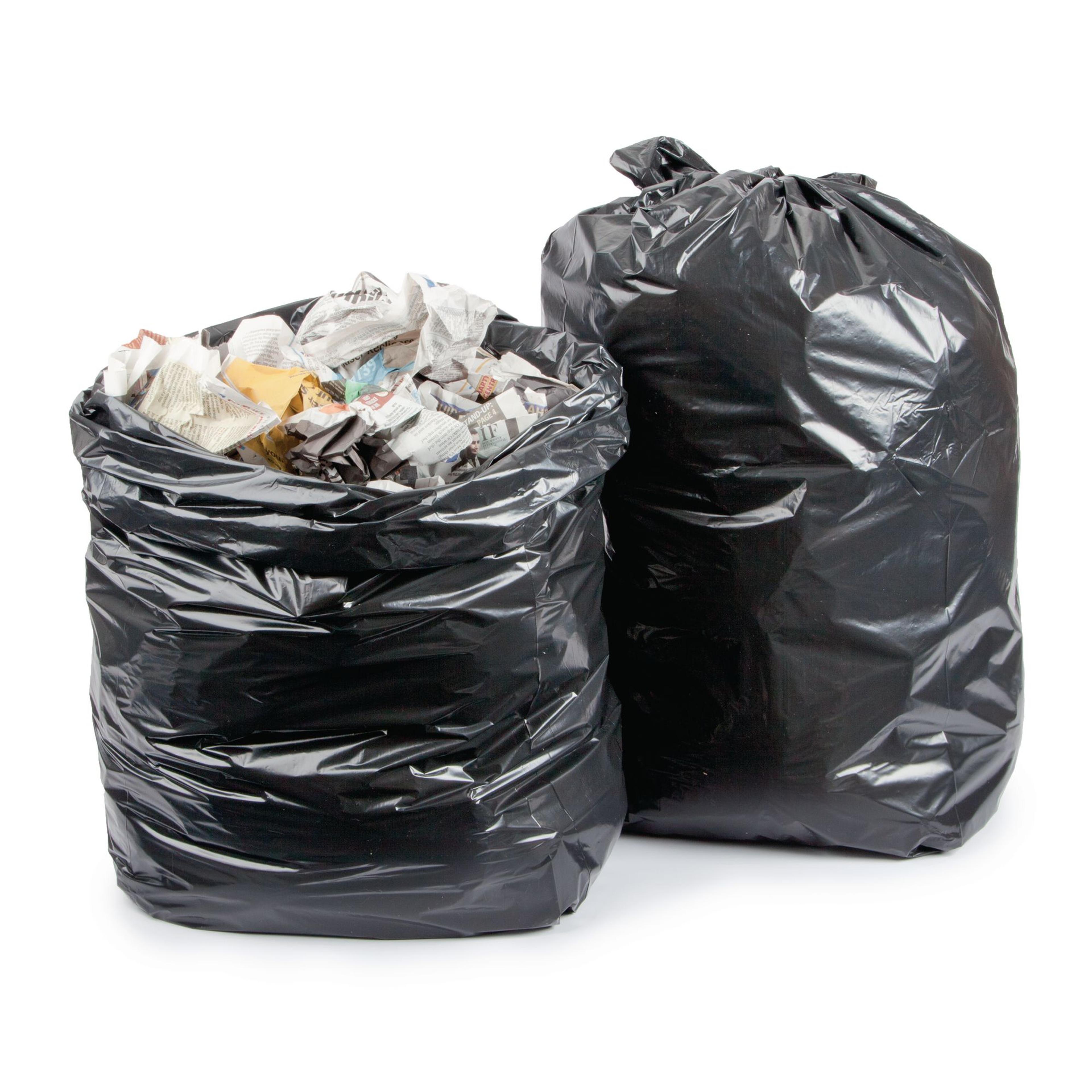
Remove all cocktail sticks and labels, and place these in the double bagged bin bags.
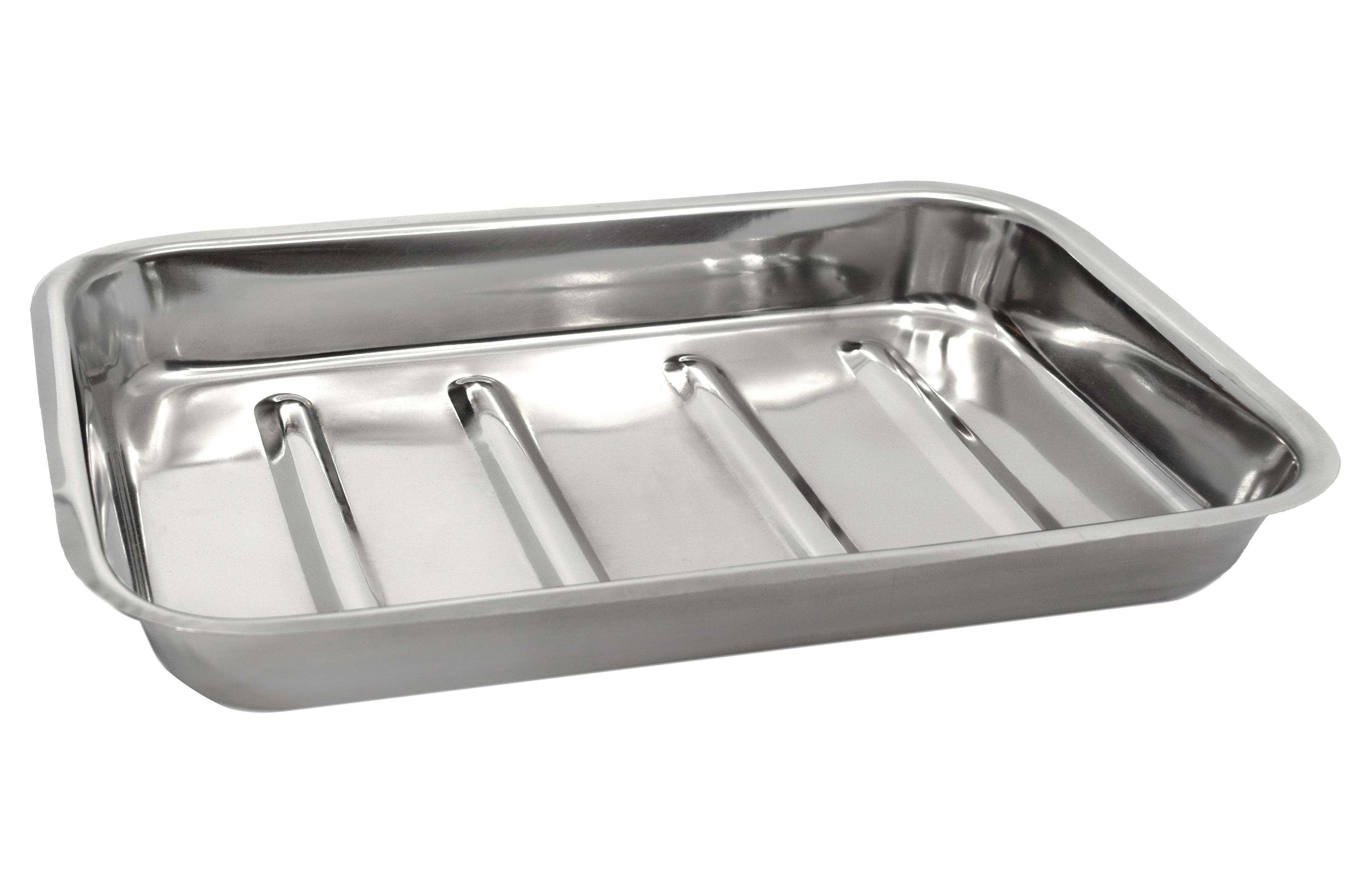
Place all dissection tools in the disinfectant provided, and then place the fish and any removed organs in the double bagged bin bag.
Finally wipe down all surfaces with the disinfectant provided, dry with paper towels, then place all wipes, paper towels and gloves in the double bagged bin bags.

Technician tips
Disposable or wipe-clean aprons could be provided which are easier to clean (or dispose of) than using lab coats for this required practical.
A double-bagged bin bag should be provided with the equipment trolley so that all dissection material can be placed into it ready for disposal.
Disinfectant solution should be made available for cleaning purposes.