Dissection of a mass transport system A Level Biology
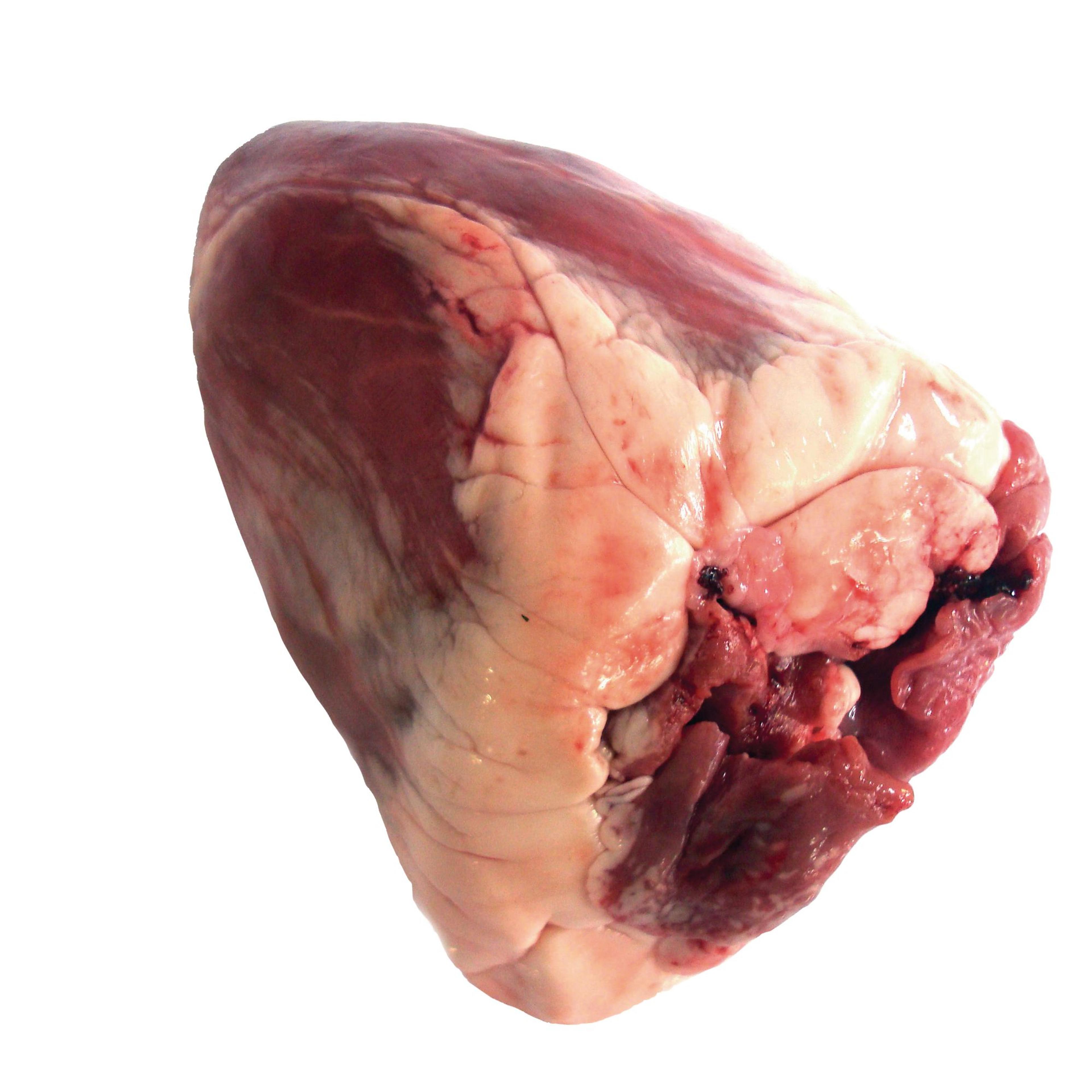
During this required practical, students are to conduct a dissection of an animal or plant mass transport system. The following procedure describes dissection of a heart.
Students are expected to know and label the various parts of the organs. Access to a camera in order to photograph the students evidence once the organs have been dissected is a useful piece of equipment.
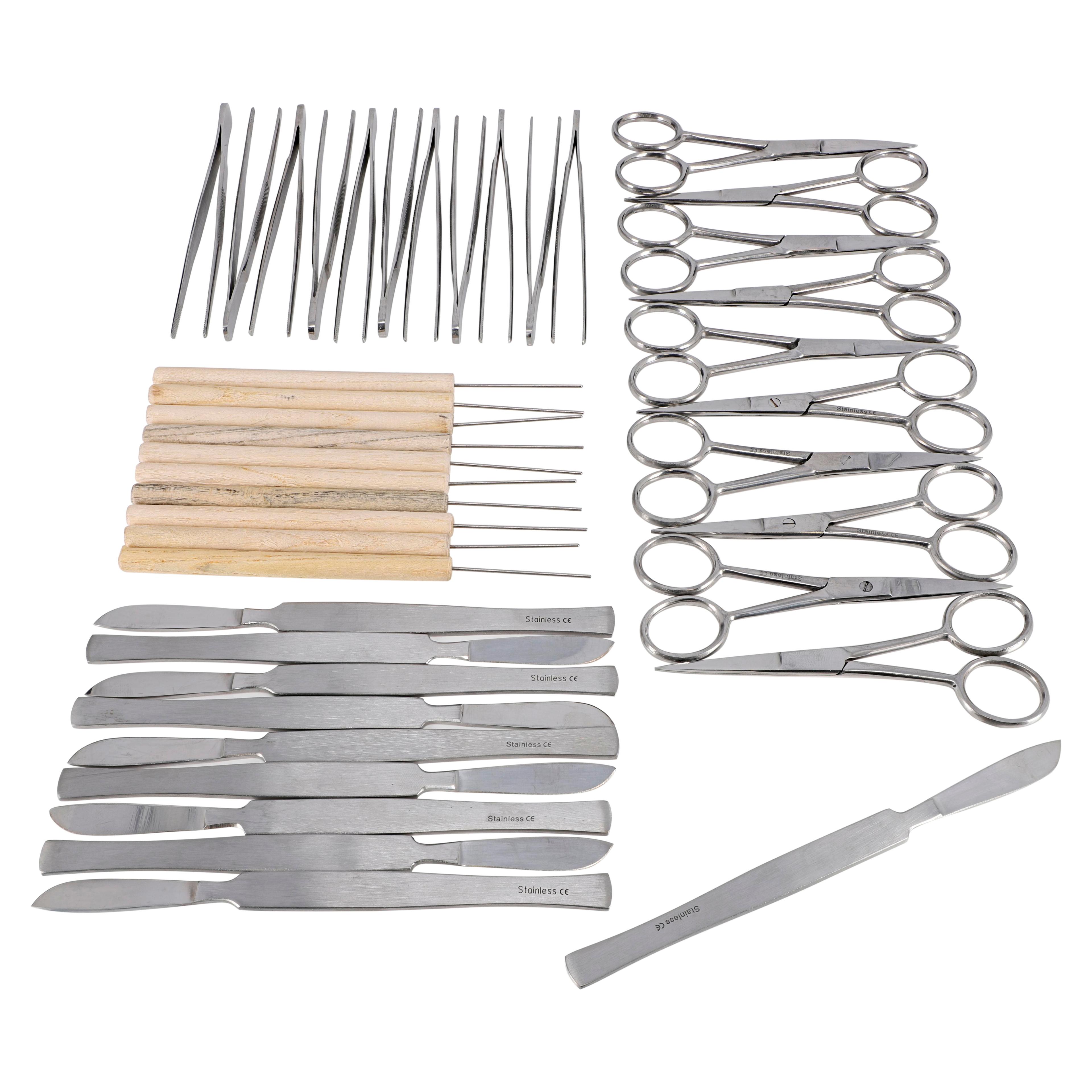
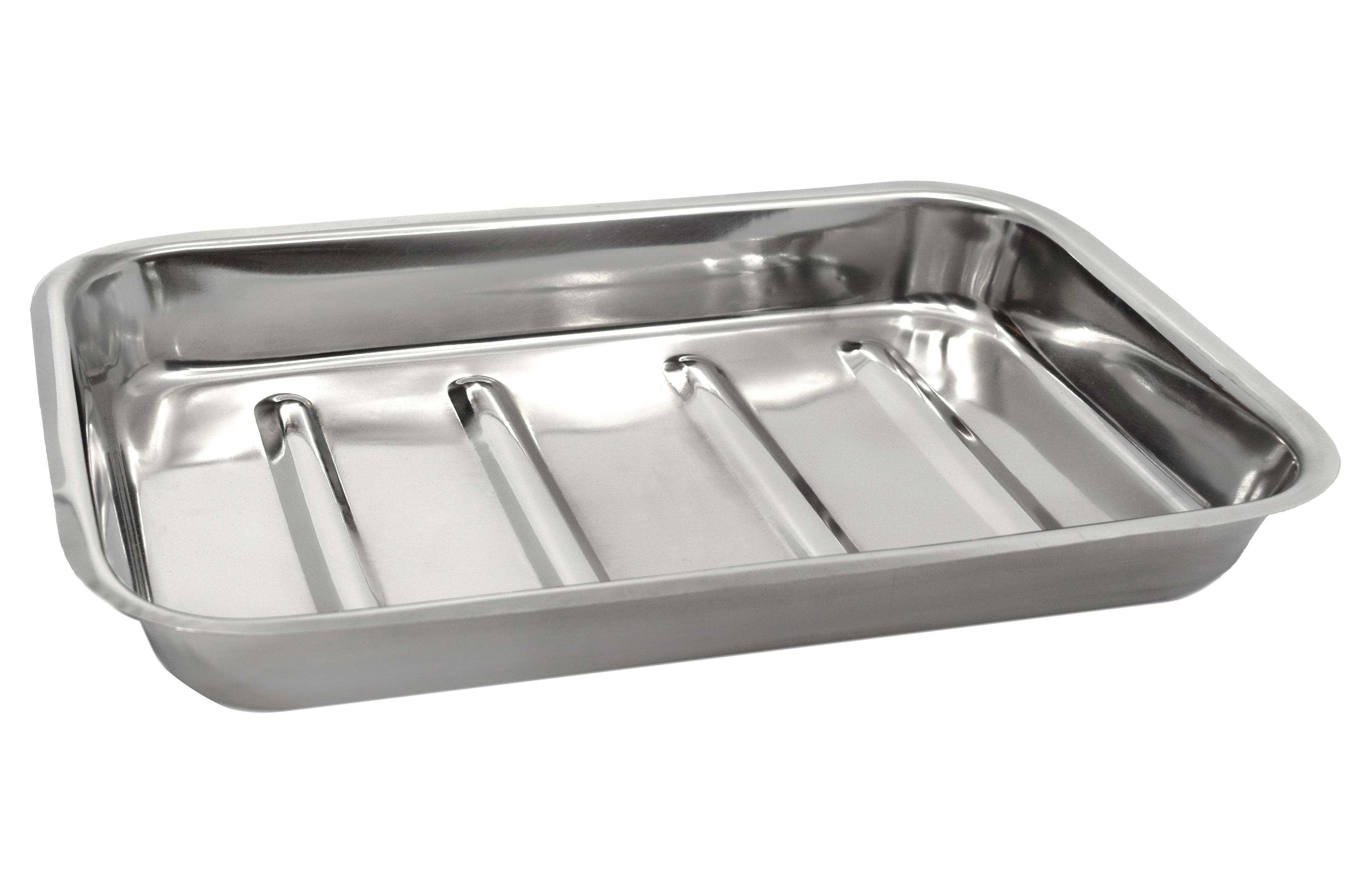
All dissection supplies recommended are Halal. Extreme care should be taken when using dissection tools.
Subject: Biology | Level: A Level |
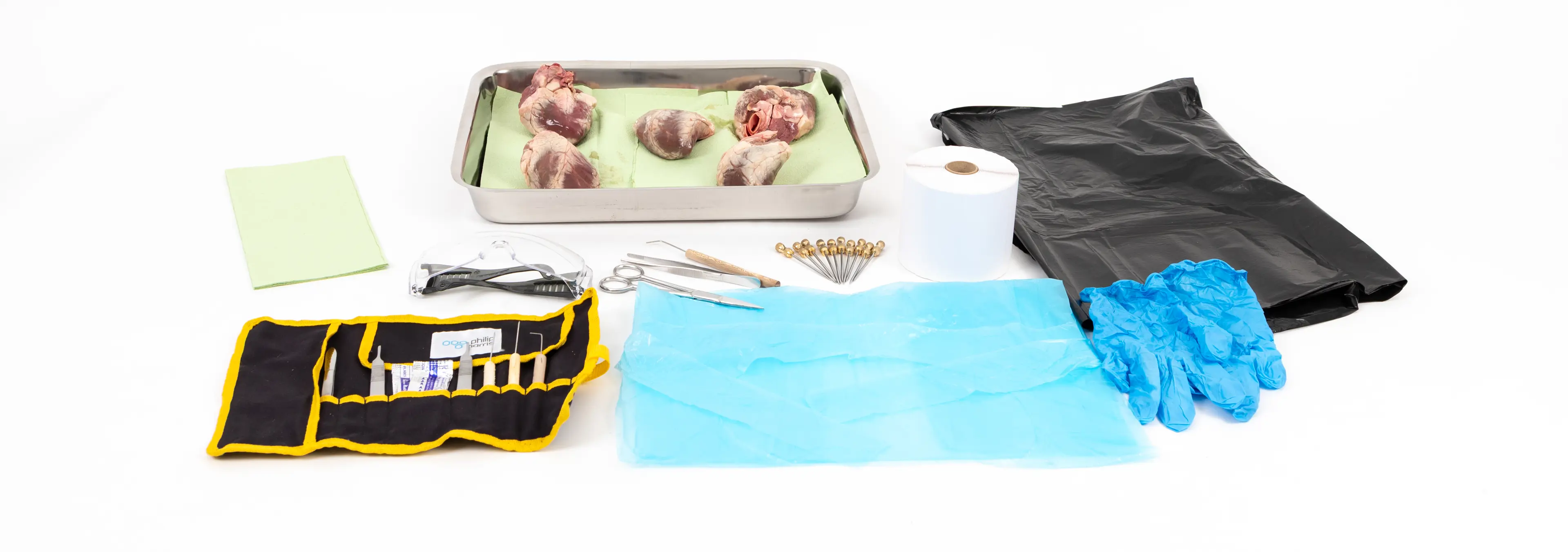
You will need:
• Virkon disinfectant
• Safety goggles
• Disposable aprons
• Cocktail sticks
Method
Heart Dissection:
Students begin by examining the exterior parts of the heart and the external features:
Locate the coronary artery
Run water into the top of the heart and see if they can see the valves in the aorta and the pulmonary arteries close.
Gently squeeze the heart to mimic the pumping motion making the valves open, and letting the water come out.
Students now begin their dissection by cutting down each side of the heart so that the left and right ventricles and atriums can be seen.
Students identify the tendons and cords holding the atrio-ventricular valves.
Students can also see if they can lift the weight of the heart by using the cords, they can try and hold one of the cords over a dissecting needle.
Students can use the dissecting needle to push up behind the atrio-ventricular valves to observe that the aorta and pulmonary arteries cross over.
Using the cocktail sticks and stickly labels, student can produce their own labels and place them on the parts of the heart that they can recognise.
Remove all cocktail sticks and labels from the heart and discard in the double bagged bin bag. Place all dissection tools in the disinfectant provided, and then place the heart in the double bagged bin bag.
Finally wipe down all surfaces with the disinfectant provided, dry with paper towels, then place all wipes, paper towels and gloves in the double bagged bin bags.

Technician tips
Disposable or wipe-clean aprons could be provided which are easier to clean (or dispose of) than using lab coats for this required practical.
A double-bagged bin bag should be provided with the equipment trolley so that all dissection material can be placed into it ready for disposal.
Disinfectant solution should be made available for cleaning purposes.