Identifying stages of mitosis under a microscope A Level Biology
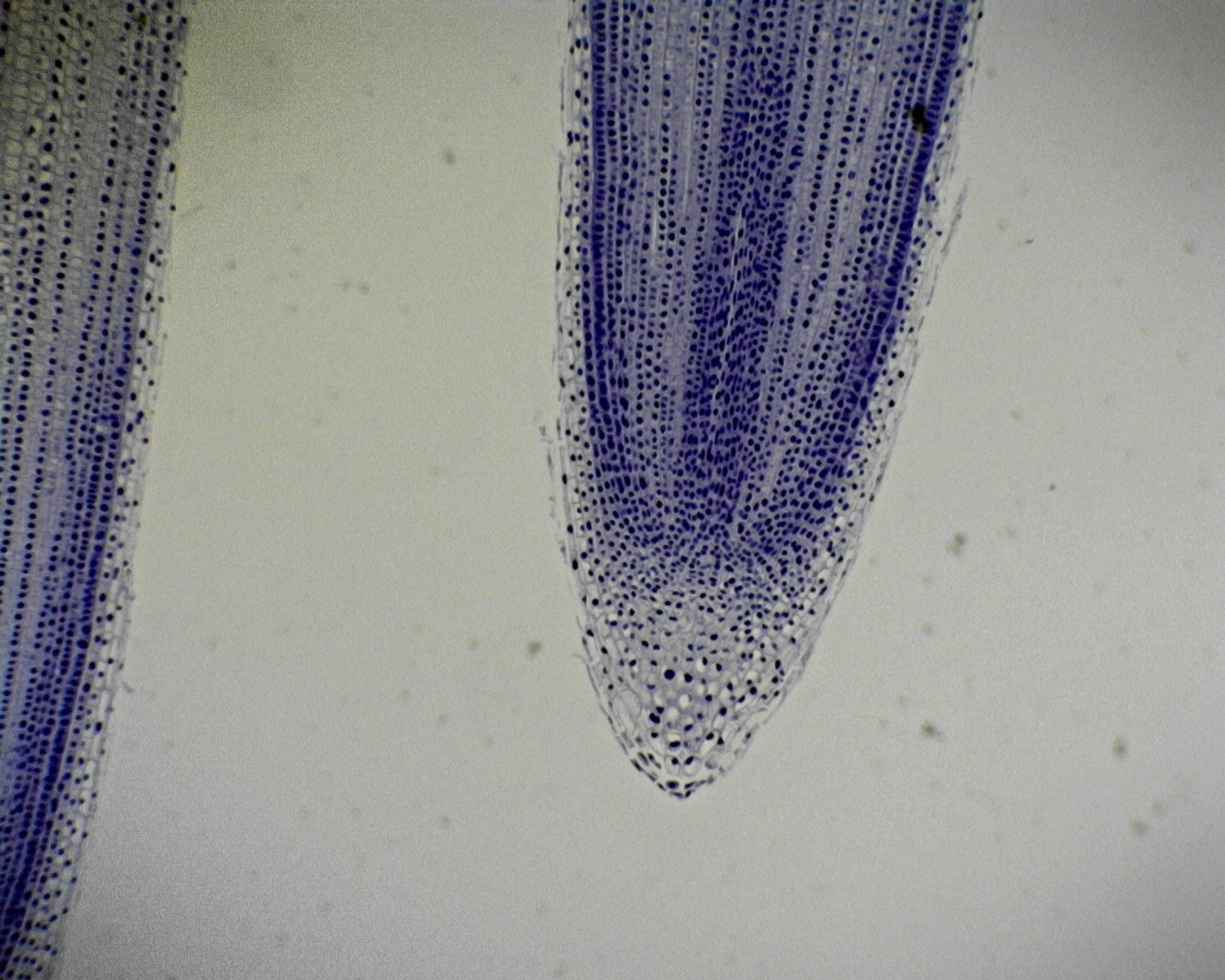
In this experiment, students carry out a root tip squash in order to examine the growing cells in a garlic root tip. Some advanced preparation is required in order to grow the garlic roots (see Technician Tips below). This is quite a tricky experiment to get to work so a preprepared slide showing the stages of mitosis is handy to have so that students know what they are looking for. This could be projected onto the board in the laboratory.
Students are assessed on their use of a microscope, on their ability to draw annotated to scale diagrams and also on their safe use of the equipment and reagents.
Subject: Biology | Level: A Level |
You will need:
Method
Fill a small vial ¼ full with 1M Hydrochloric acid, and place the vial in a beaker of hot water, the water should be around 60°C.
Place a section of the garlic clove with roots into the vial of acid and leave for approximately 5 minutes.
Remove the garlic glove from the vial of the Hydrochloric acid and rinse with warm water to remove the acid.
Transfer the clove of garlic to a white tile and cut the last 1 – 2 cm of root tip from the bottom of the root using the scalpel.
Using the forceps gently transfer one root tip to one end of clean, dry microscope slide, and add a second root tip to the other end of the slide.
Carefully use two mounted needles to tease each of the root tips apart, this will help to separate the cells into a single layer.
Add a drop of the Toluidene Blue Stain to each root tip and leave for approximately 2 minutes.
Carefully place a cover slip on each of the root tips, then cover with a paper towel, and press down firmly to squash the cells.
Remove the paper towels and press the coverslips firmly to further squash the root tips into a single layer.
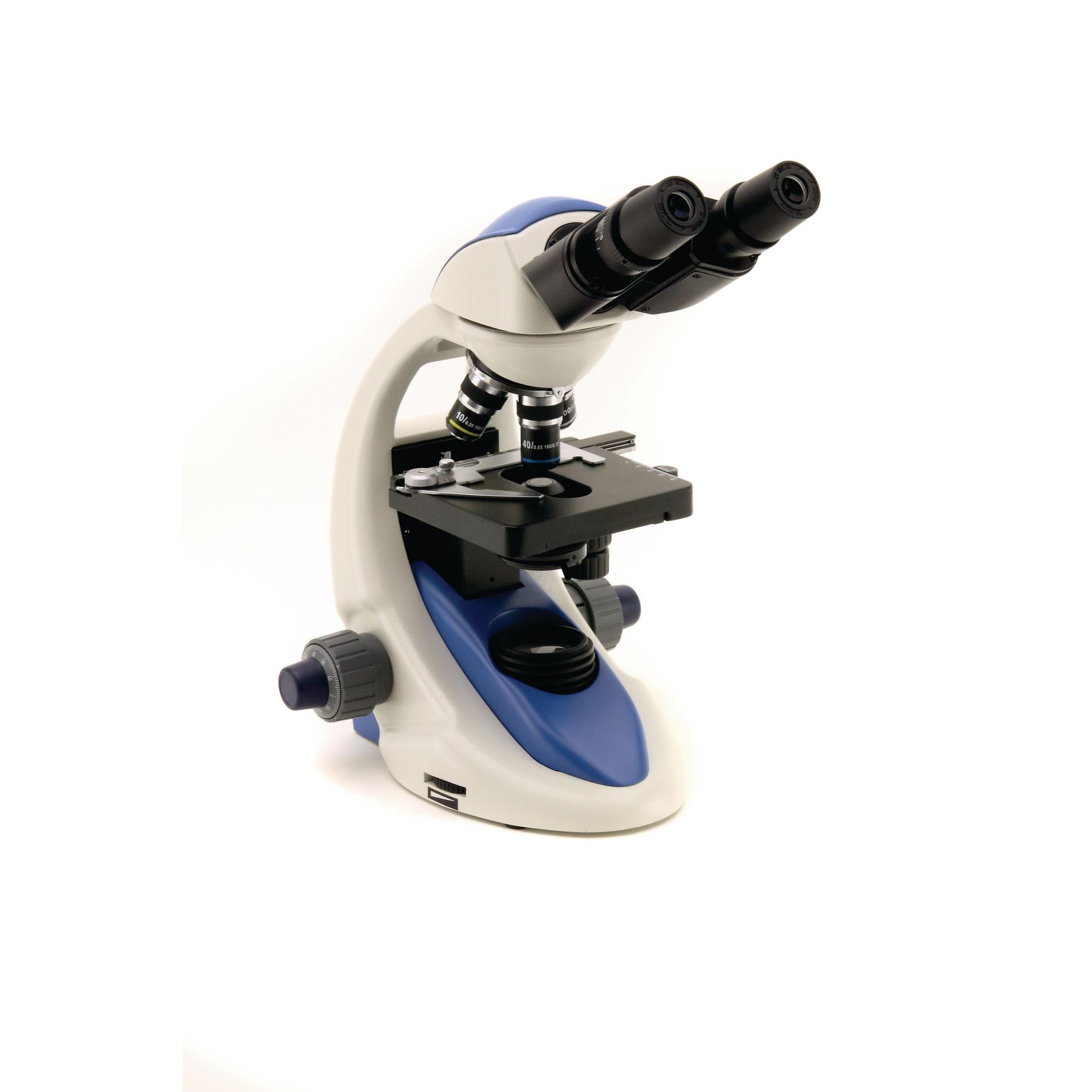
Place under the microscope and observe.
Observe the slide carefully and note the number of cells undergoing mitosis.
Record your data in a suitable table
Calculate the mitotic index using the formula:
Mitotic Index = Number of Cells in stages of Mitosis ÷ Total Number of Cells

Technician tips
Garlic growth – in order to grow the roots required for this experiment, multiple cloves of garlic can be suspended over a beaker of water by piercing them onto a cocktail stick.
Each clove that grows roots can be cut into multiple sections, once cut submerge the roots into a beaker of water to avoid them drying out.
The heating stage is important as this helps soften the root, to help to squash the tips into a single layer.
It maybe a good idea to have a prepared slide set up under a microscope and projected on to the whiteboard to show students what they are trying to observe.