Respiration in single celled organisms A Level Biology
In this required practical, students are to investigate the effect of a named variable (temperature) on the rate of respiration of yeast, which is a single-celled organism. Yeast respires both aerobically and anaerobically. When respiring aerobically, yeast produces electrons which are used in the production of ATP (Adenosine Triphosphate). ATP reduces Methylene Blue. In this experiment, Methylene Blue is used as an indicator as it changes from blue to colourless when reduced by ATP production.
Students are assessed on their safe use of the equipment, and they must be able to control the temperature of their experiment independently of an electronic water bath.
The experiment should be trialled to ensure the decolourisation occurs within the time constraints of the laboratory session.
Subject: Biology | Level: A Level |
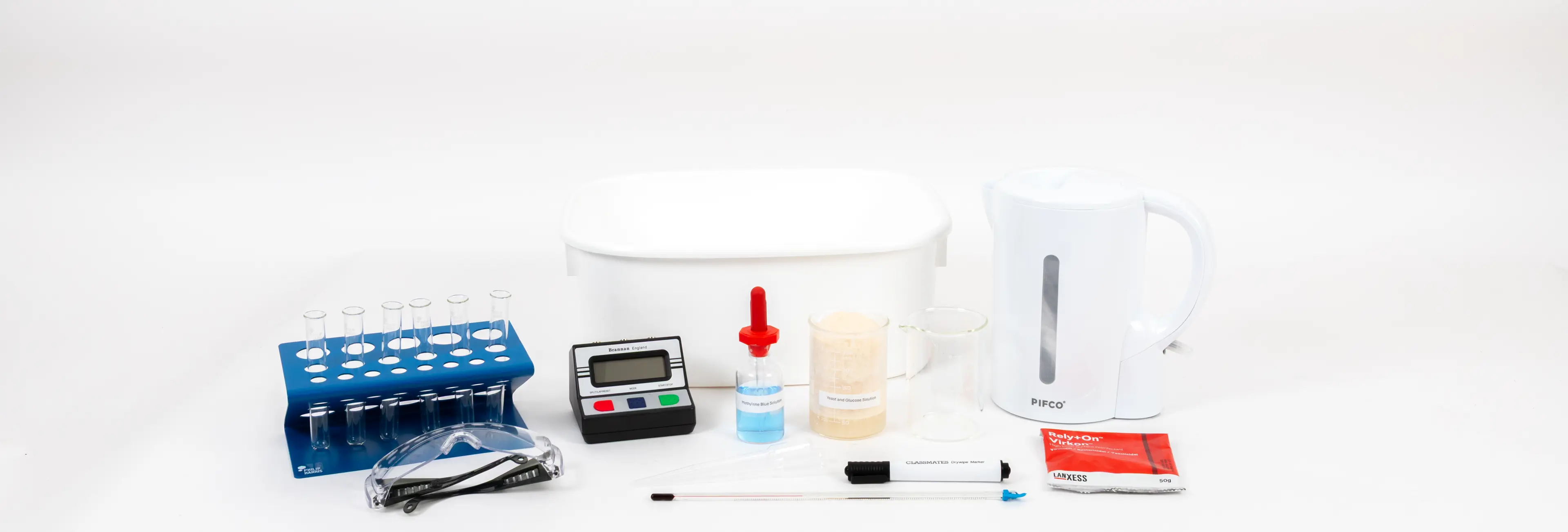
You will need:
• Glucose powder
• Methylene Blue
• Virkon disinfectant
• CLEAPSS HAZCARD 40C
• CLEAPSS HAZCARD 32
Method
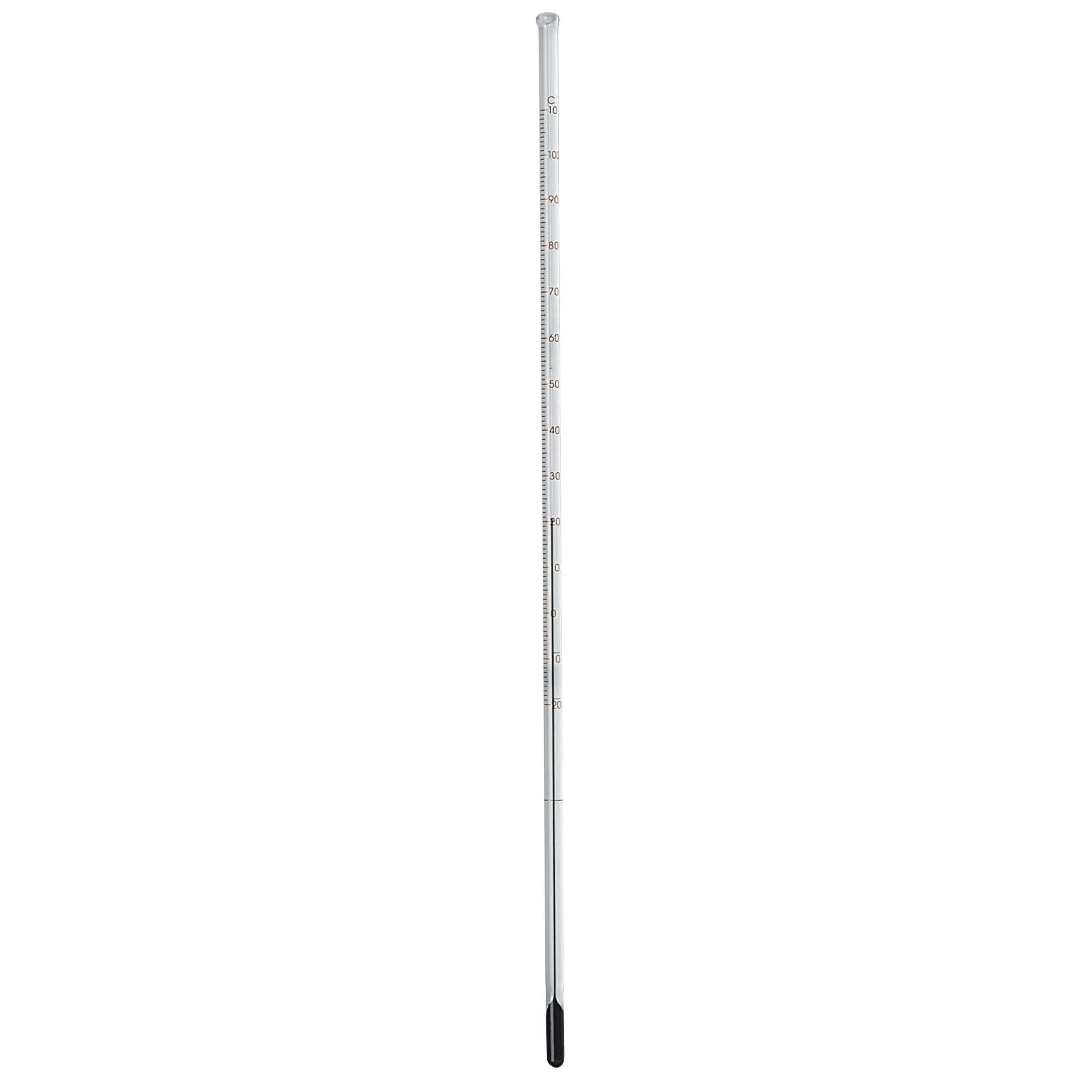
Students use the beaker, kettle and thermometer to set the temperature of their water bath beaker to 35°C. The temperature must be monitored and maintained throughout the experiment.
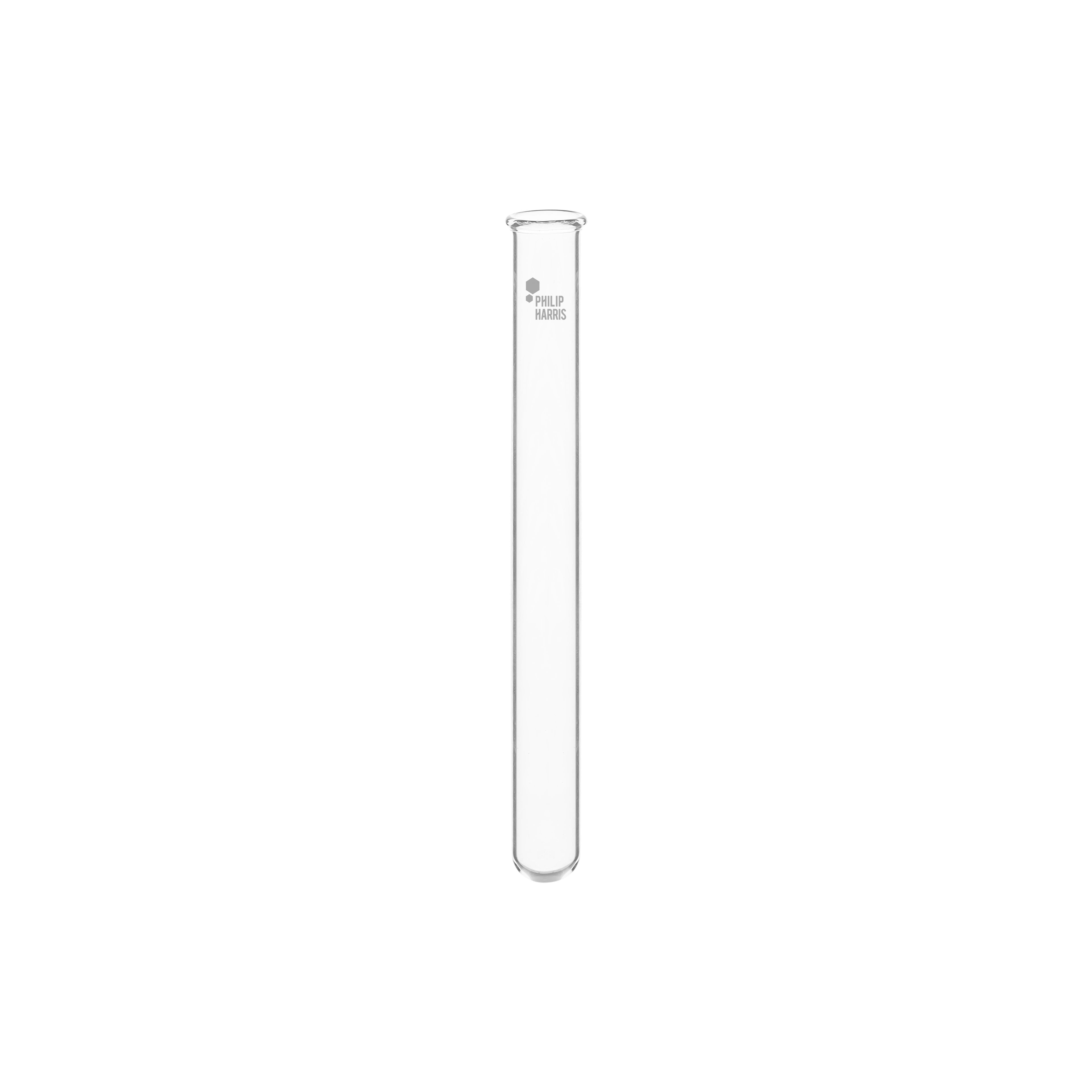
Five test tubes are labelled 1-5 and the main stock solution of yeast and glucose solution should be stirred before dispensing.
Students add 2cm³ of yeast and glucose stock solution to each of the five tubes and they are placed into the water bath until the solution inside reaches 35°C.
Remove the test tube numbered 1 and add 2cm³ of Methylene Blue to the tube. The tube is shaken, taking care not to spill the solution, for 10 seconds. Start the stopwatch and time how long it takes for the Methylene Blue to decolourise.
Repeat the procedure for the four remaining tubes, noting results in a table.
Once all tubes have been tested, change the temperature of the water bath and repeat the process at different temperatures.

Technician tips
The yeast used must be from a fresh batch to ensure it is active, older batches may not work. Any trialling should be done using the same batch/pot of yeast that the students are going to be using during their practical session.
To make the glucose solution, a 1% solution is required. 1g of glucose is dissolved per 100cm³ of water. Just before the experiment, the temperature of the glucose solution needs to be raised to 30°C and 5g of dried yeast per 100cm³ is added. This solution should be shaken to ensure full mixing. The solution can be stored in a large conical flask with a cotton wool plug to prevent overspill once the yeast is active. The solution should be producing bubbles before being used in the classroom.
The Methylene Blue concentration should also be tested prior to the practical session to ensure decolourisation occurs within approximately 5 minutes.