A Level Chemistry Simple Acid Base Titration
Students are required to undertake a simple acid base titration using the volumetric solution they have prepared previously. The working out of the concentration of Sodium Hydroxide should be shown.
Subject: Chemistry | Level: A Level |
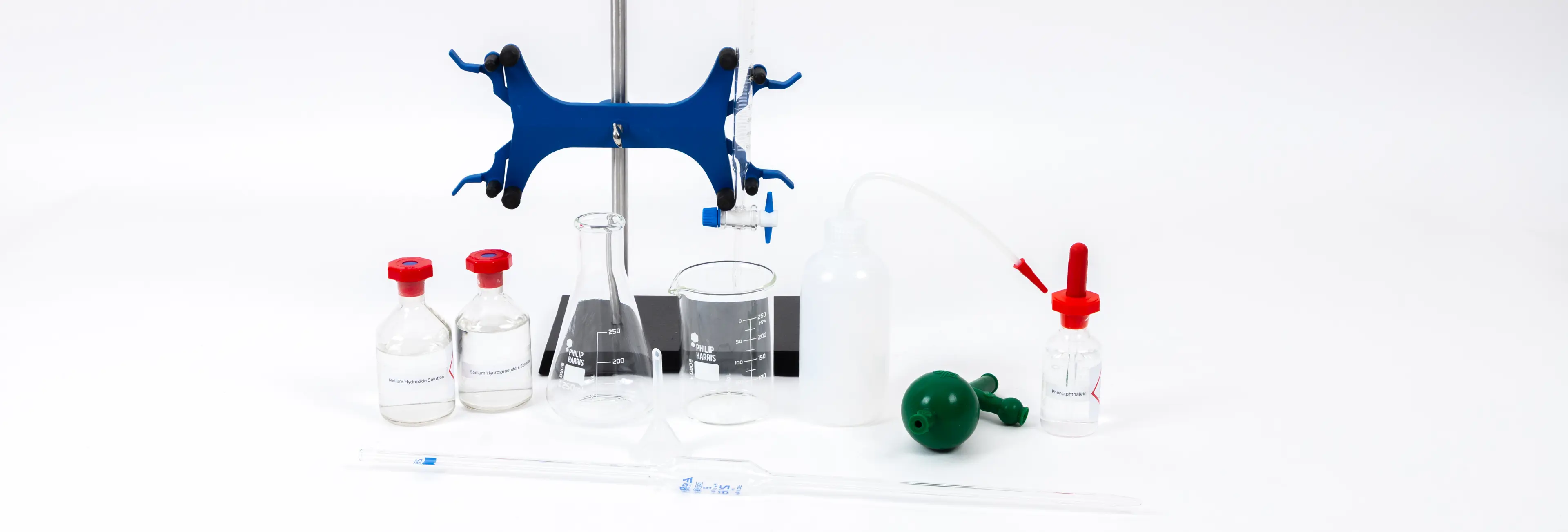
You will need:
Method
Pour approximately 100ml of Sodium Hydrogen Sulfate solution into a clean, dry beaker labelled as Sodium Hydrogen Sulfate.
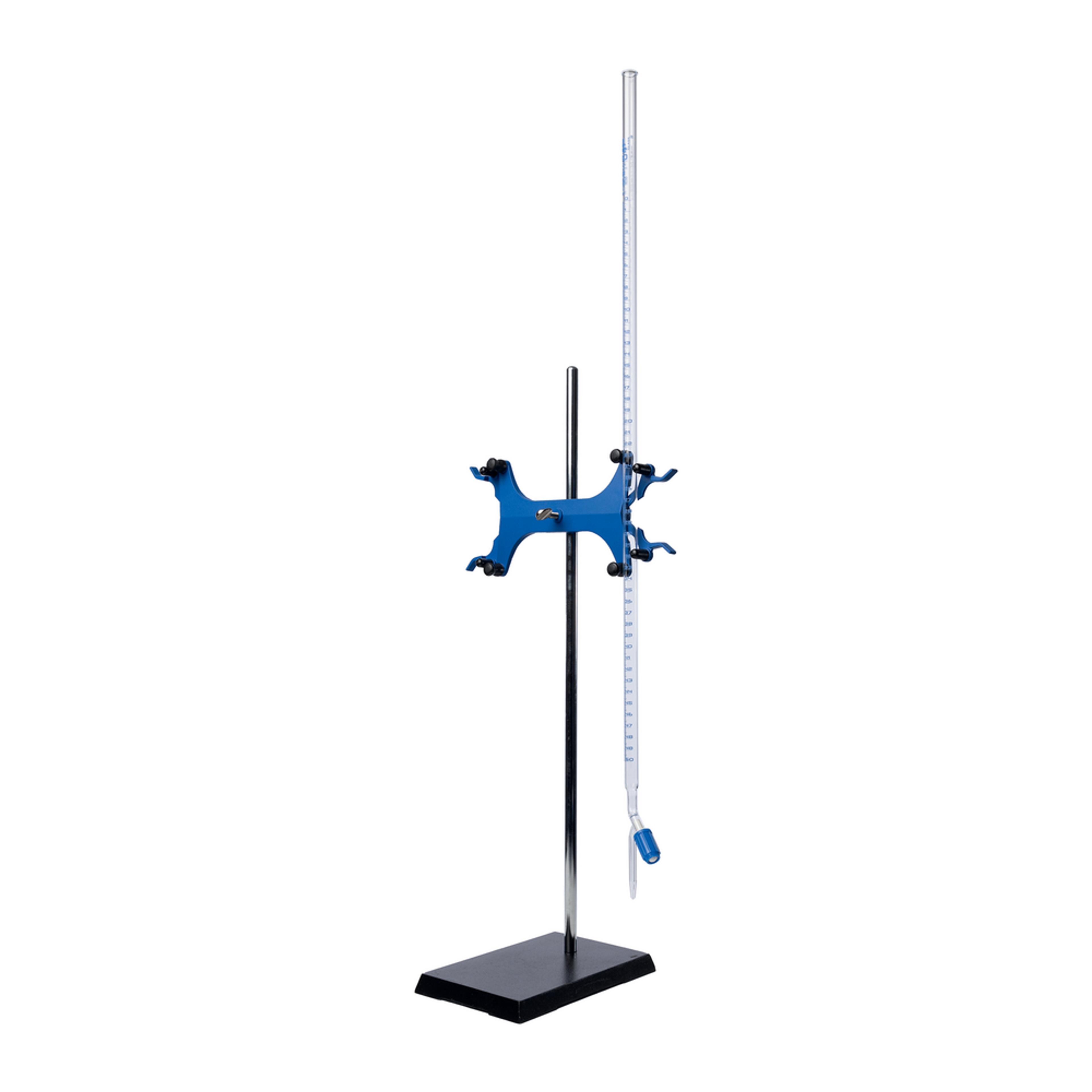
Use a small volume of Sodium Hydrogen Sulfate to rinse the burette before filling it with the solution. *Ensure the tap is closed on the burette before filling it.
Pour approximately 100ml of Sodium Hydroxide solution into a second, clean, dry beaker and label as Sodium Hydroxide.
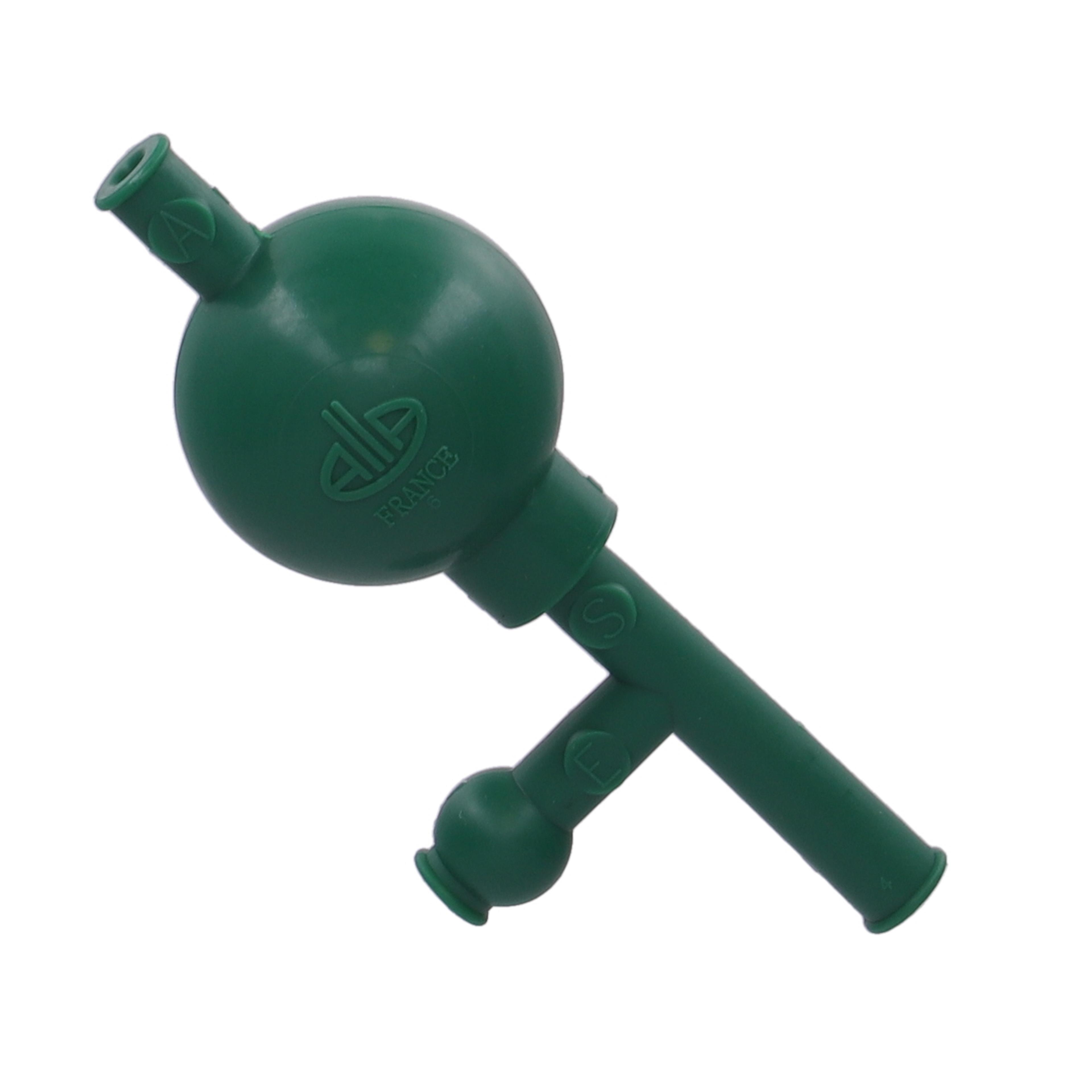
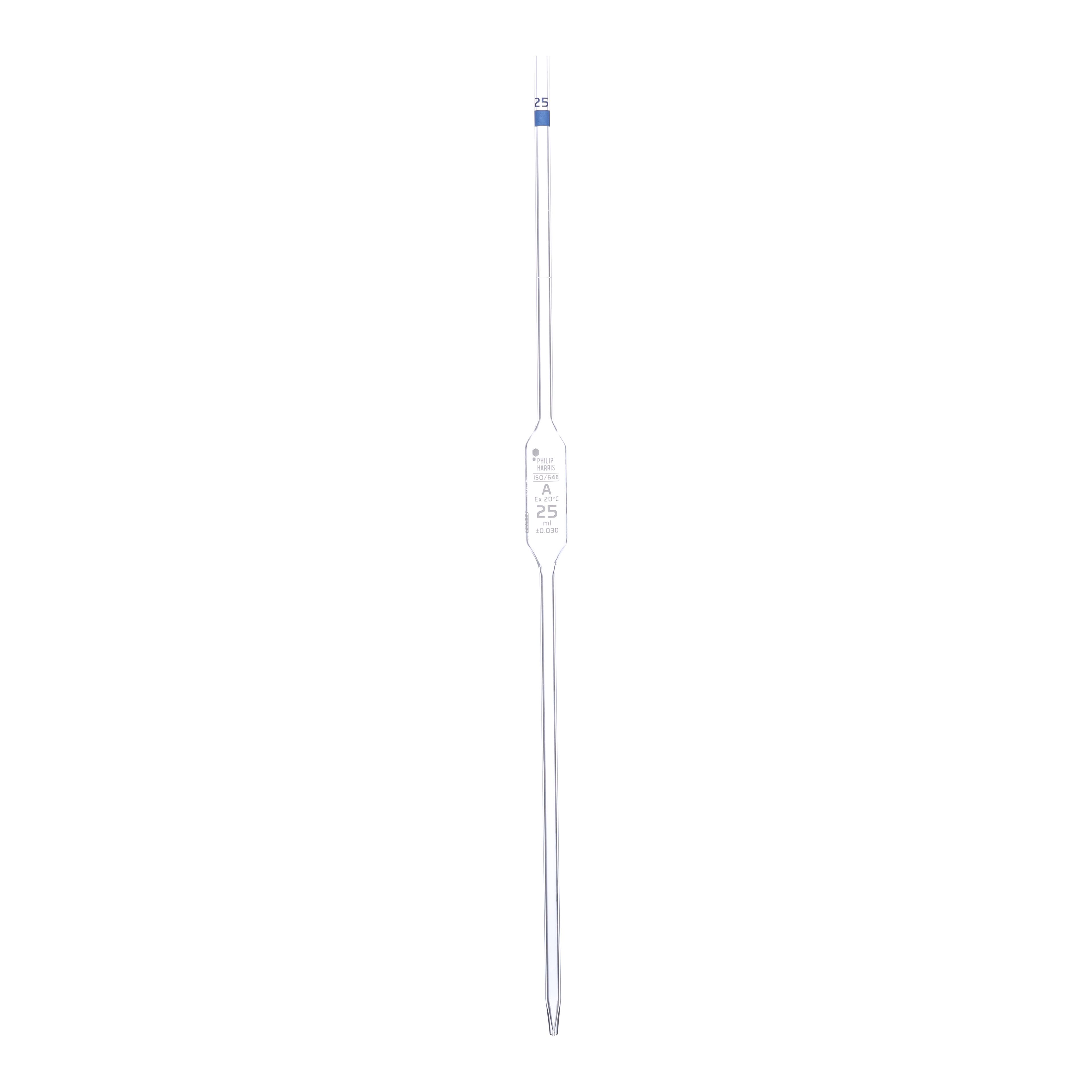
Rinse a 25ml pipette with the Sodium Hydroxide solution, then using the pipette filler, fill the pipette to the graduation mark.
Carefully transfer the contents of the pipette into a 250ml conical flask.
Add 2-3 drops of the phenolphthalein indicator to the conical flask and note the colour of the indicator in alkali.
Record the initial reading on the burette, then begin to titrate the contents of the burette to the Sodium Hydroxide solution in the conical flask, swirling the flask gently to mix the contents.
When nearing the end point, which can be observed with a colour change, add the Sodium Hydrogen Sulfate solution dropwise, until you observe a definite colour change.
Record both the colour change and the final burette reading in a suitable results table.
Repeat the titration three times and work out the mean volume of Sodium Hydrogen Sulfate solution used in the titration.
Use your results to calculate the concentration of Sodium Hydroxide.
Students are required to show all of their working out.

Technician tips
When filling the pipette, do not allow the tip of the pipette to rest on the bottom of the beaker.
Make sure the tip of the pipette is well below the surface of the solution to stop any air getting into the pipette.
The bottom of the meniscus should be level with the graduation mark.
When filling the burette bring the burette down to eye level.
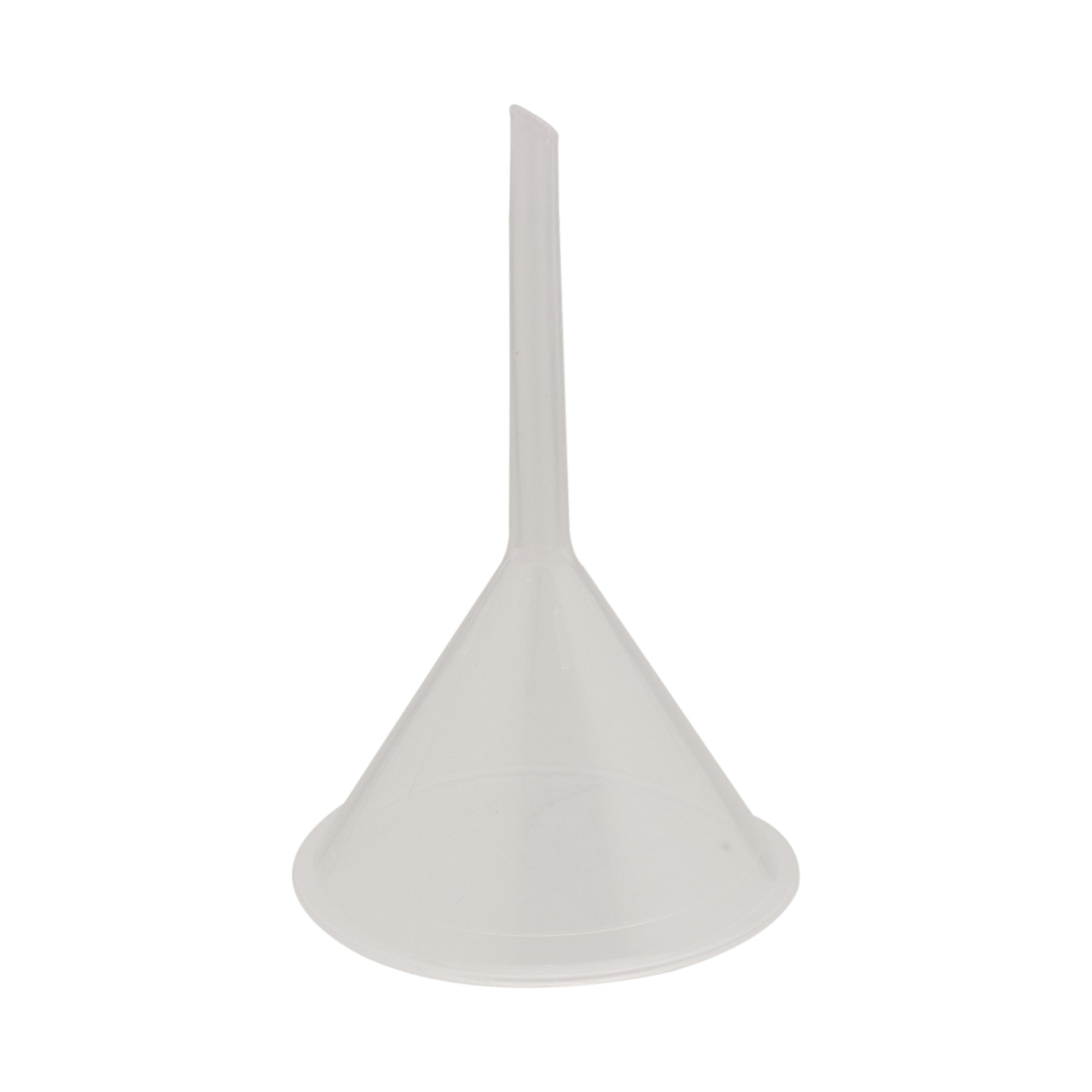
Always use a funnel to fill the burette.
Once filled run the solution through the burette to ensure any air that may be trapped is expelled, then refill to the zero mark.
The burette tip should be just inside the neck of the conical flask.
Worked Example:
Start by calculating the mass of Sodium Hydrogen Sulfate required to make 250ml of a 0.1M Solution.
Relative Atomic Mass of Sodium Hydrogen Sulfate
NaHSO₄ = 23 + 1 + 32 + 4 (16) = 120
Therefore:
1M solution = 120g/ 1L
0.1M solution = 12g/ 1L
0.1M solution = 1.2g / 100ml
0.1M solution = 3g/ 250ml
Calculating the unknown Molarity of NaOH
In our test 25mls of NaOH was neutralized by 25.05mls of NaHSO₄
Calculate the amount of NaHSO₄ in Moles:
25.05/1000 = 0.02505 dm³
Moles = Amount of Solute/ Volume
Rearrange amount of Solute = Moles x Volume
0.1 x 0.02505 = 0.002505
Find the amount of NaOH in Moles
Balance the equation NaHSO₄ + NaOH = Na₂SO₄ + H₂O
Therefore 1Mole of NaHSO₄ reacts with 1Mole of NaOH
Volume of NaOH 25/ 1000 = 0.025 dm³
Concentration = 0.002505/0.025 = 0.1M NaOH was used.