EMF of electrochemical cells A Level Chemistry
The EMF (Electromotive Force) of an electrochemical cell is the maximum potential difference between its two electrodes. It represents the potential energy of the cell and indicates the tendency of a redox reaction to occur, driving electron flow. The EMF is measured in volts and can be calculated using standard electrode potentials.
Subject: Chemistry | Level: A Level |
You will need:
• Sample of different metals
• Propanone
• Sodium Chloride
• Copper (II) Sulfate-5-water
• Zinc Sulfate-7-water
Method
Clean a piece of Copper foil and a piece of Zinc foil using the fine grade paper
Degrease the metal using cotton wool and propanone
Place the Copper into a 100ml beaker with about 50ml of 1M Copper Sulfate solution
Place the Zinc into a 100ml beaker with about 50ml of 1M Zinc Sulfate solution
Carefully fill the salt bridge with the provided solution of 2M Sodium Chloride
Join the 2 beakers with the inverted salt bridge so that the sintered ends are in separate beakers
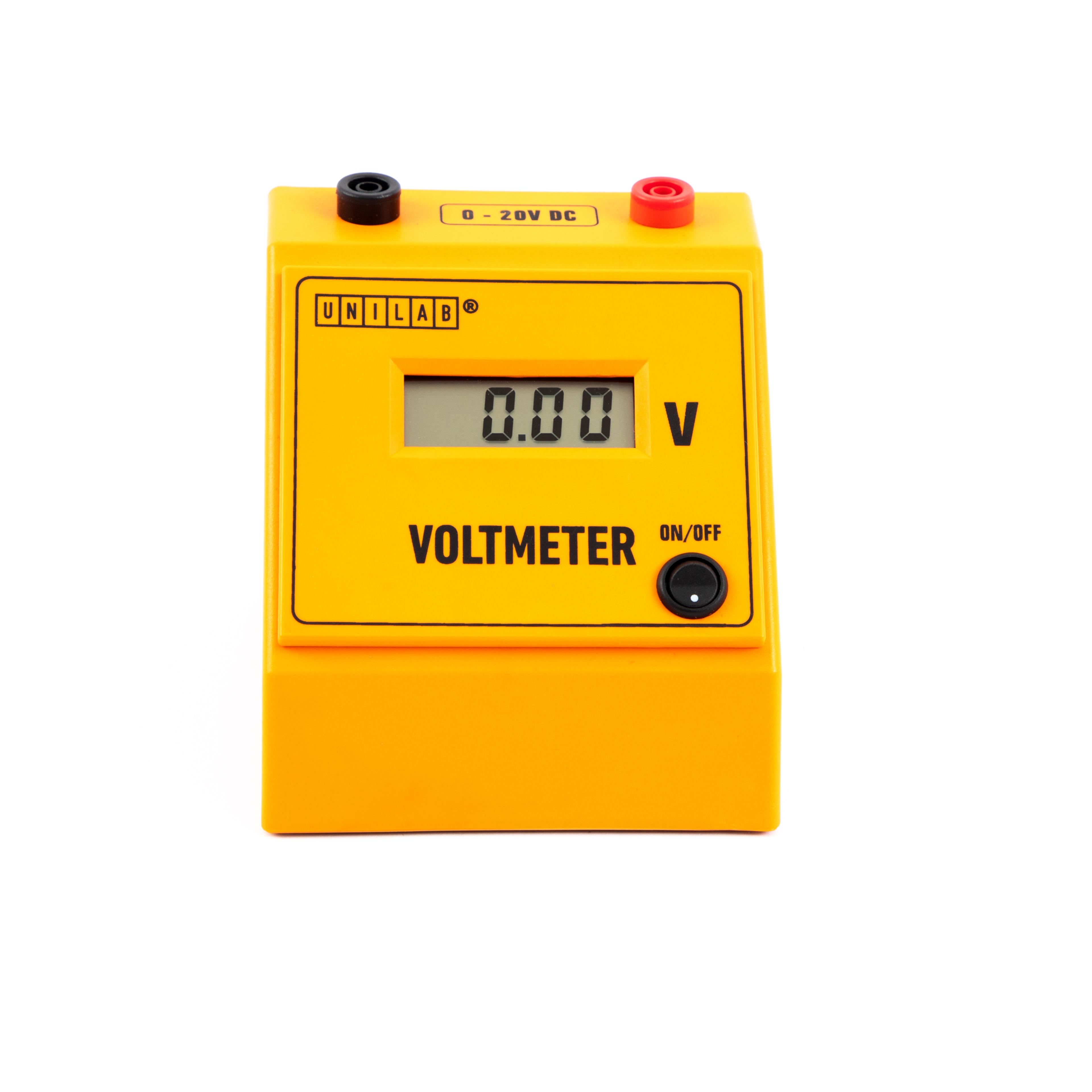
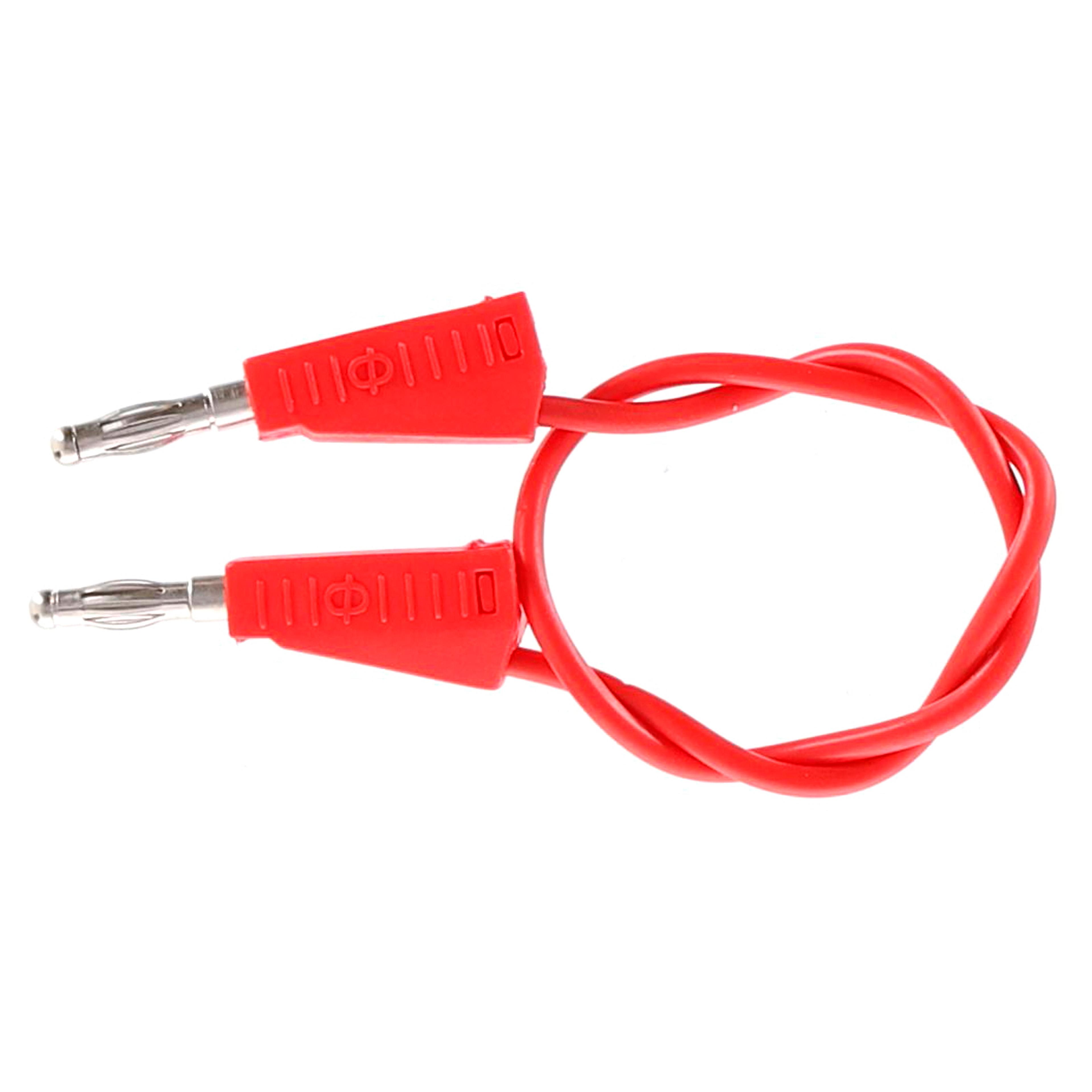
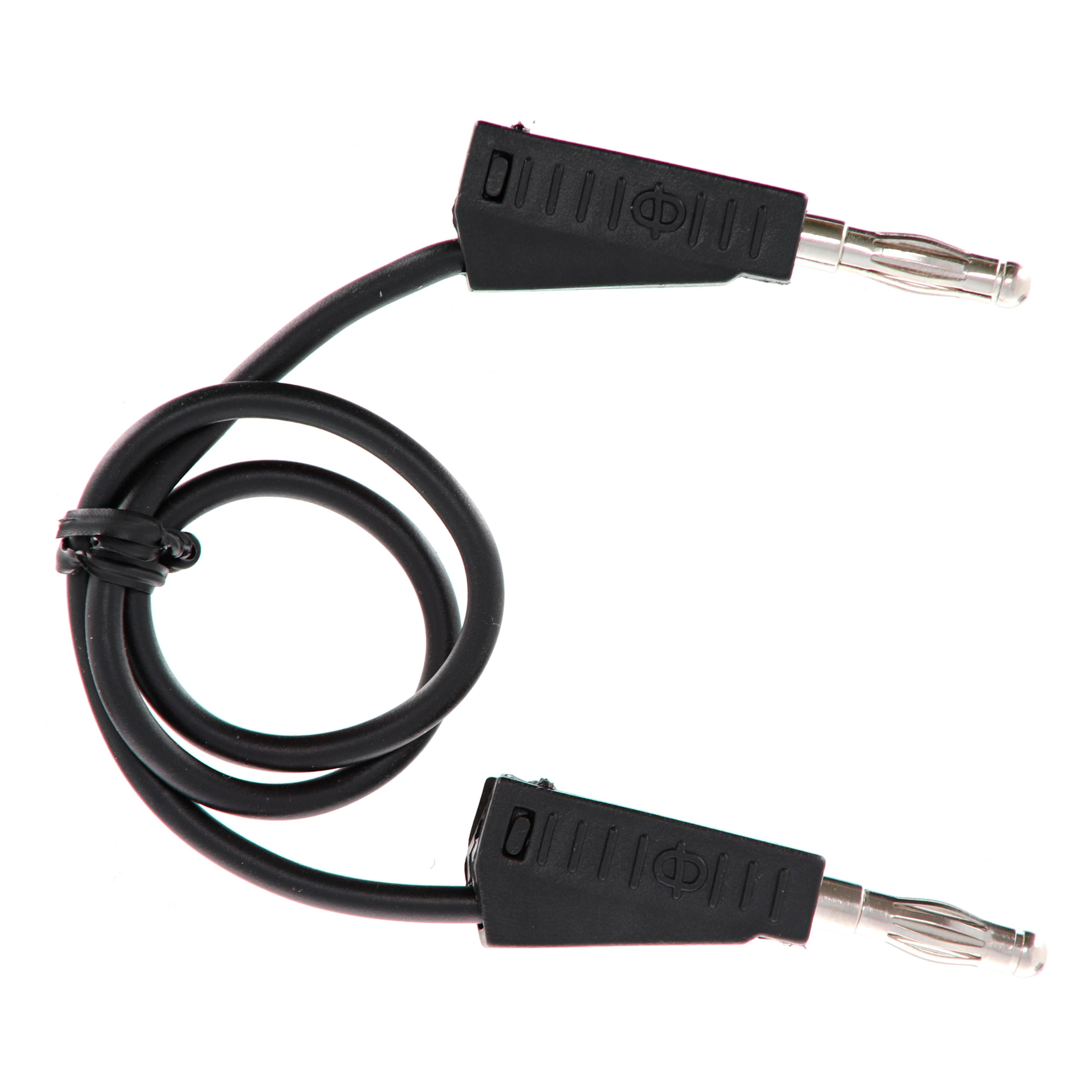
Connect the Copper/ Copper Sulfate and the Zinc/Zinc Sulfate half cells by connecting the pieces of metal foils, using crocodile clips and leads provided to the voltmeter and read off the voltage
Method for measuring comparative electrode potentials for different metals:
Clean a piece of Copper foil using the fine grade sandpaper
Connect the positive terminal of the voltmeter to the Copper using a crocodile clip and one of the leads
Cut a piece of filter paper to about the same area as the Copper, moisten the filter paper with the Sodium Chloride solution and place on top of the Copper
Connect the second lead to the voltmeter and use the crocodile clip on the other end of the lead to grip a piece of another metal, eg Silver.
Hold the metal against the filter paper and note the voltage reading including if the reading is positive or negative.
Repeat these last two steps with different metals and record your results in a suitable table
Write the conventional representation for each of the cells that you have constructed
Suggest how you could construct the cell with the largest EMF from the metals provided
Explanation:
There are 2 reactions occurring in an electrochemical cell:
Oxidation Reaction – Loss of electrons
Reduction Reaction – Gain of electrons
When these reactions happen simultaneously the term used is redox reaction.
In the Copper/Zinc electrochemical cell:
Zinc loses electrons more easily than Copper, so Zinc from the Zinc electrode is oxidised to form ions. This releases electrons into the external circuit. The Copper takes the same number of electrons from the external circuit which reduces the ions to Copper atoms.