Investigating resistivity - A Level Physics
Students must investigate the resistivity of a metal wire. The practical links measured voltage and current to the dimensions of the wire. Students are assessed on measuring length and diameter accurately and using ammeters and voltmeters correctly. The investigation involves recording current and voltage in a table for different wire lengths and plotting a graph of resistance against length.
Subject: Physics | Level: A Level |
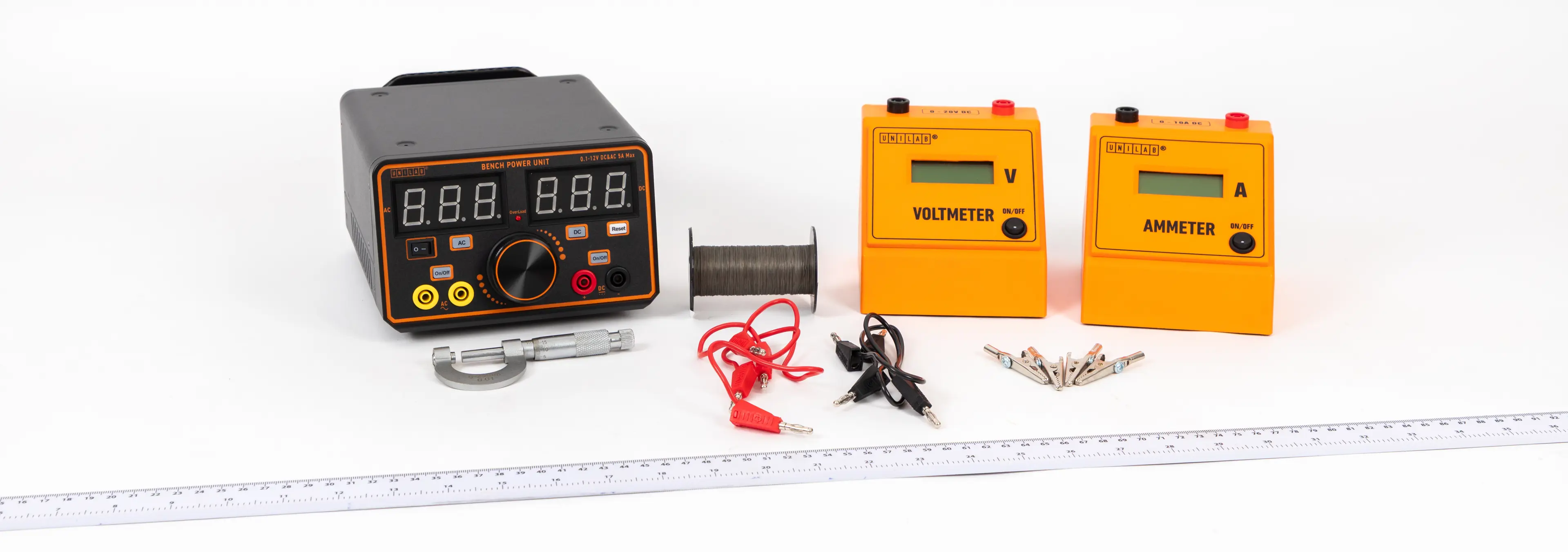
You will need:
Method
Preparation and setup
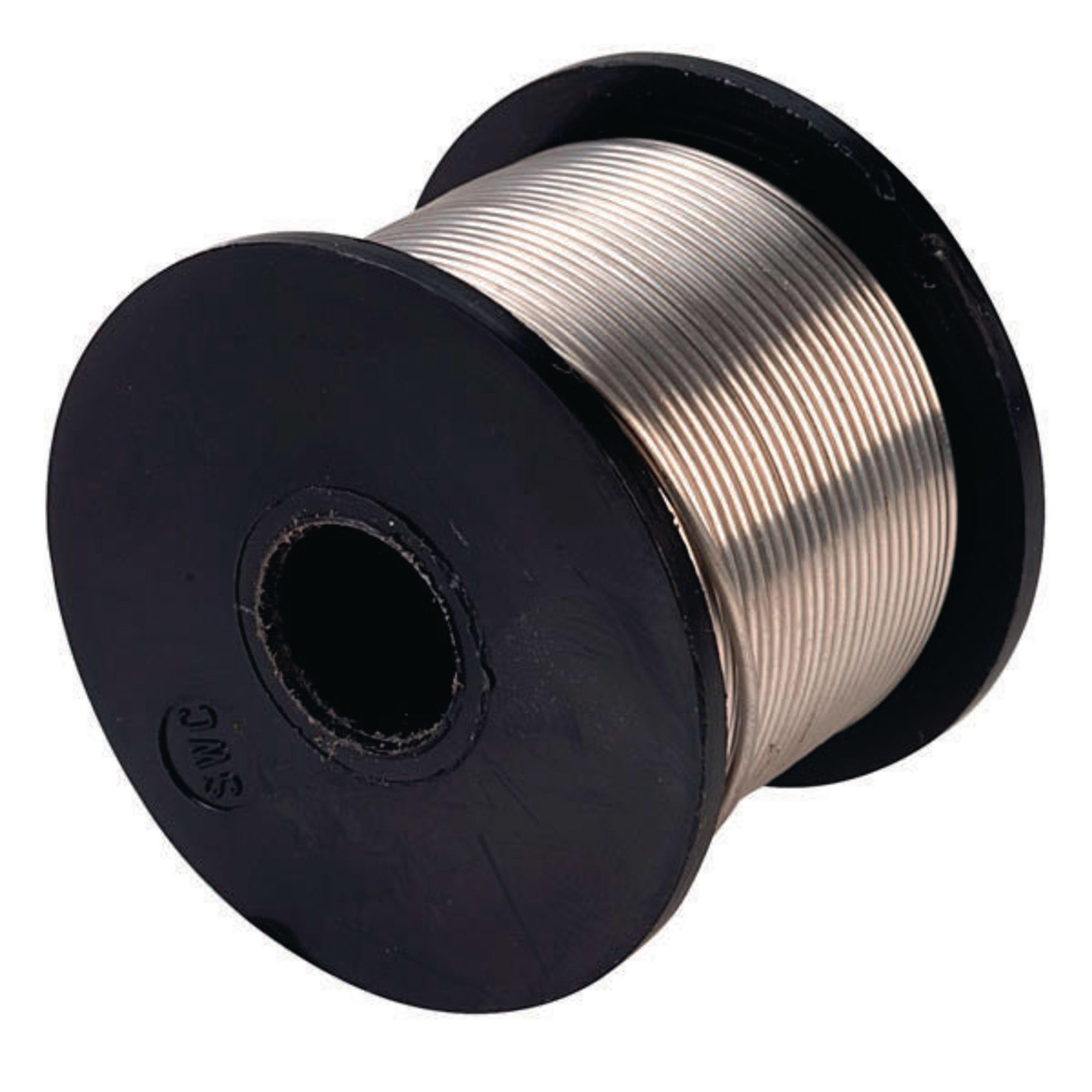
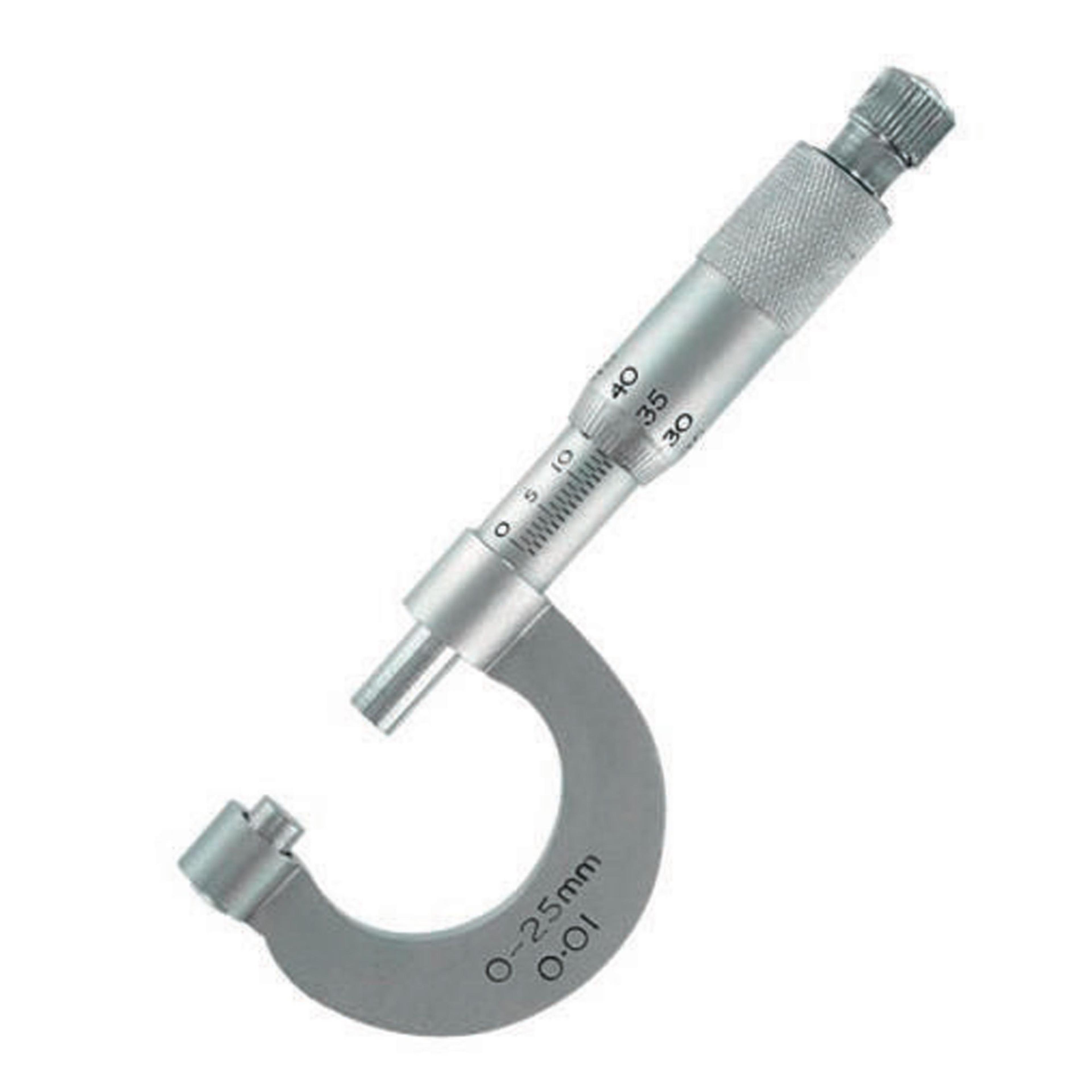
Measure the thickness of the constantan wire using the micrometer in at least 3 places and find the mean diameter d. Convert this to metres.
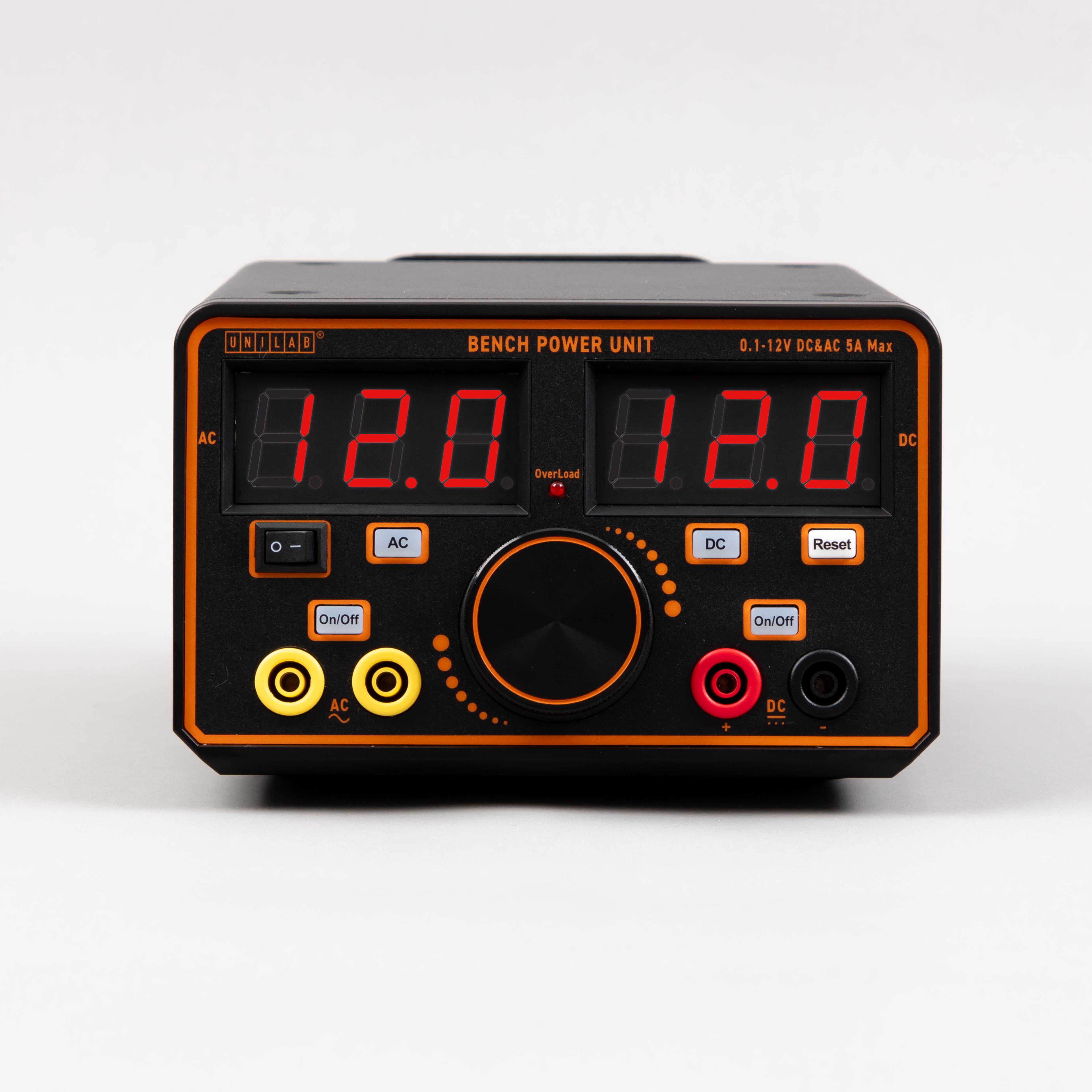
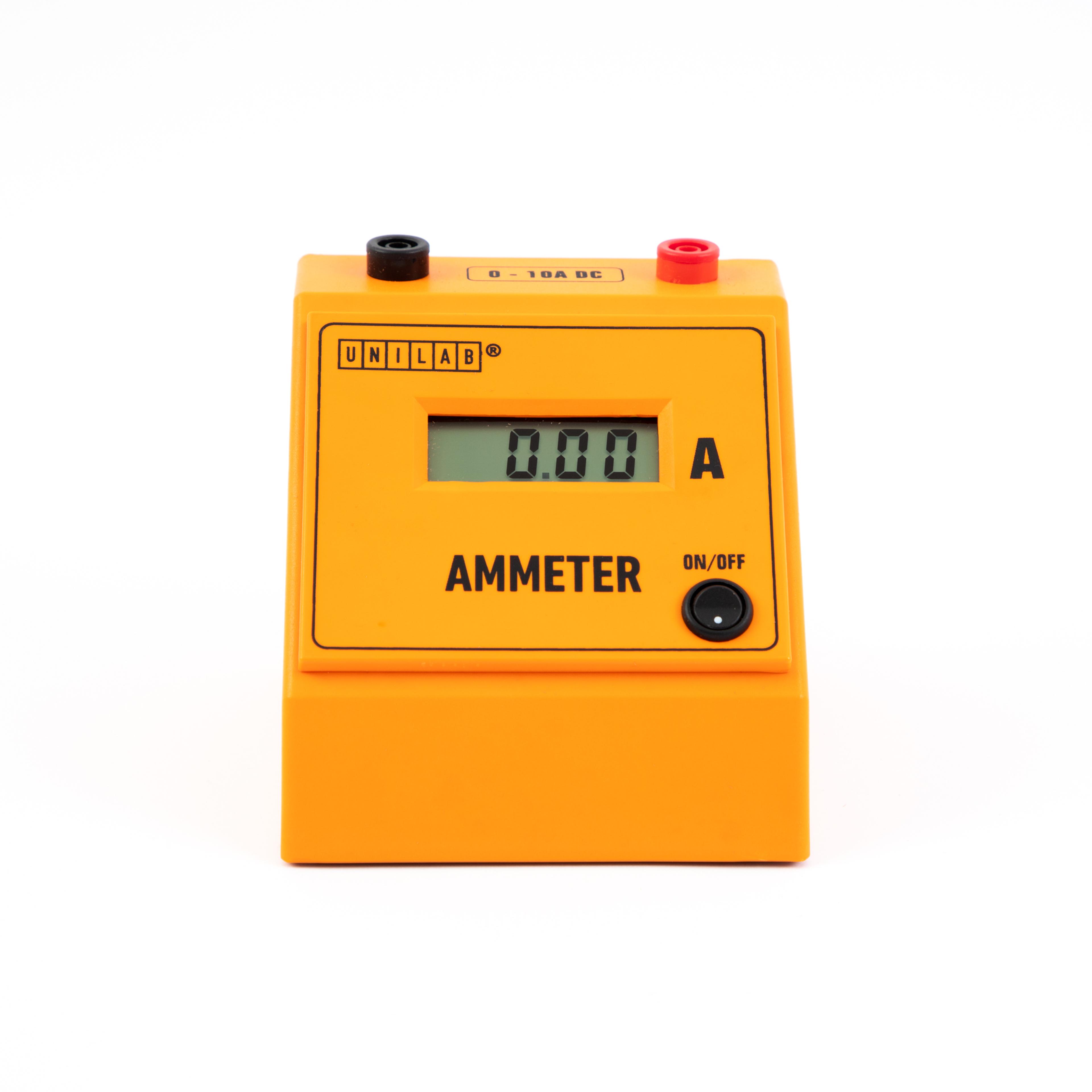
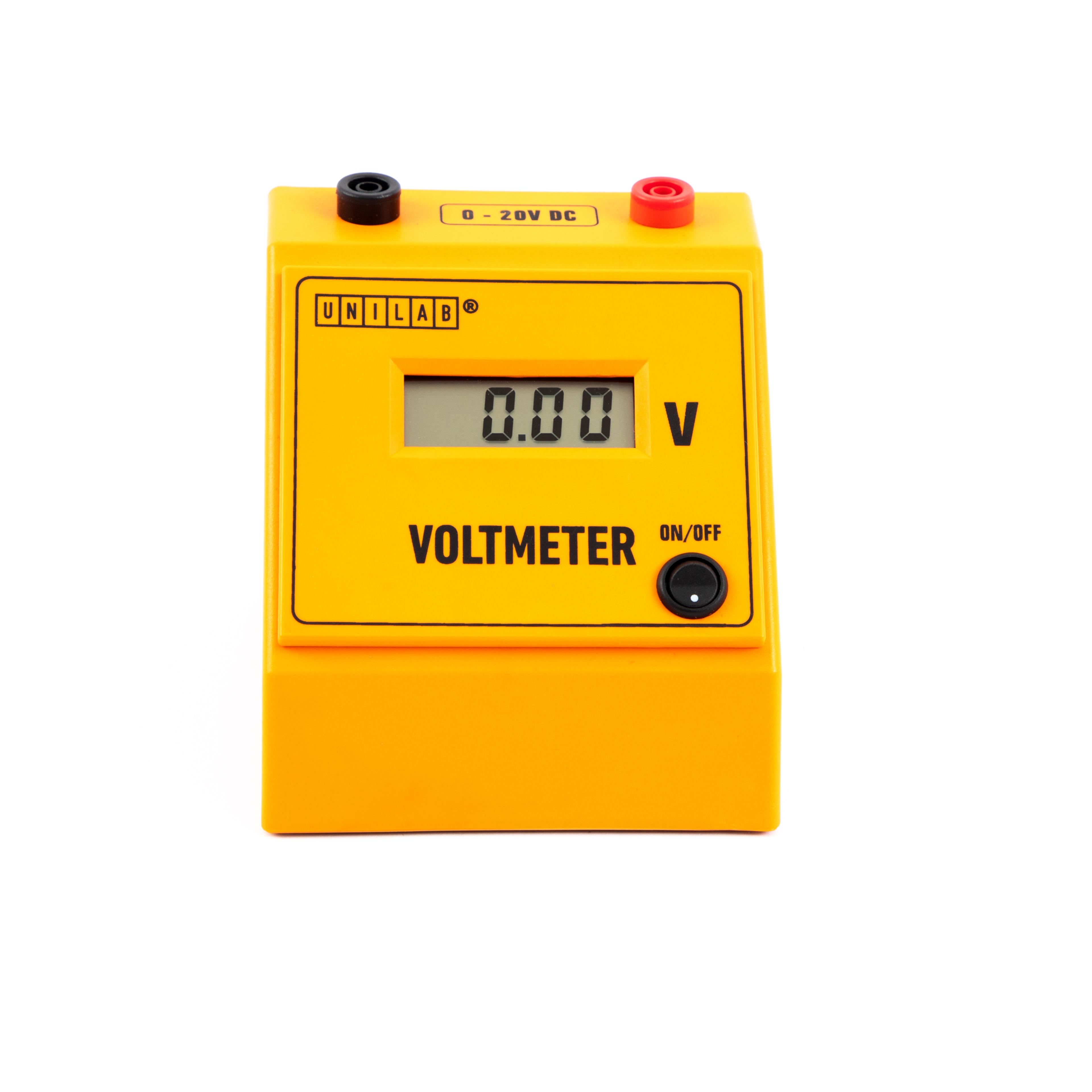
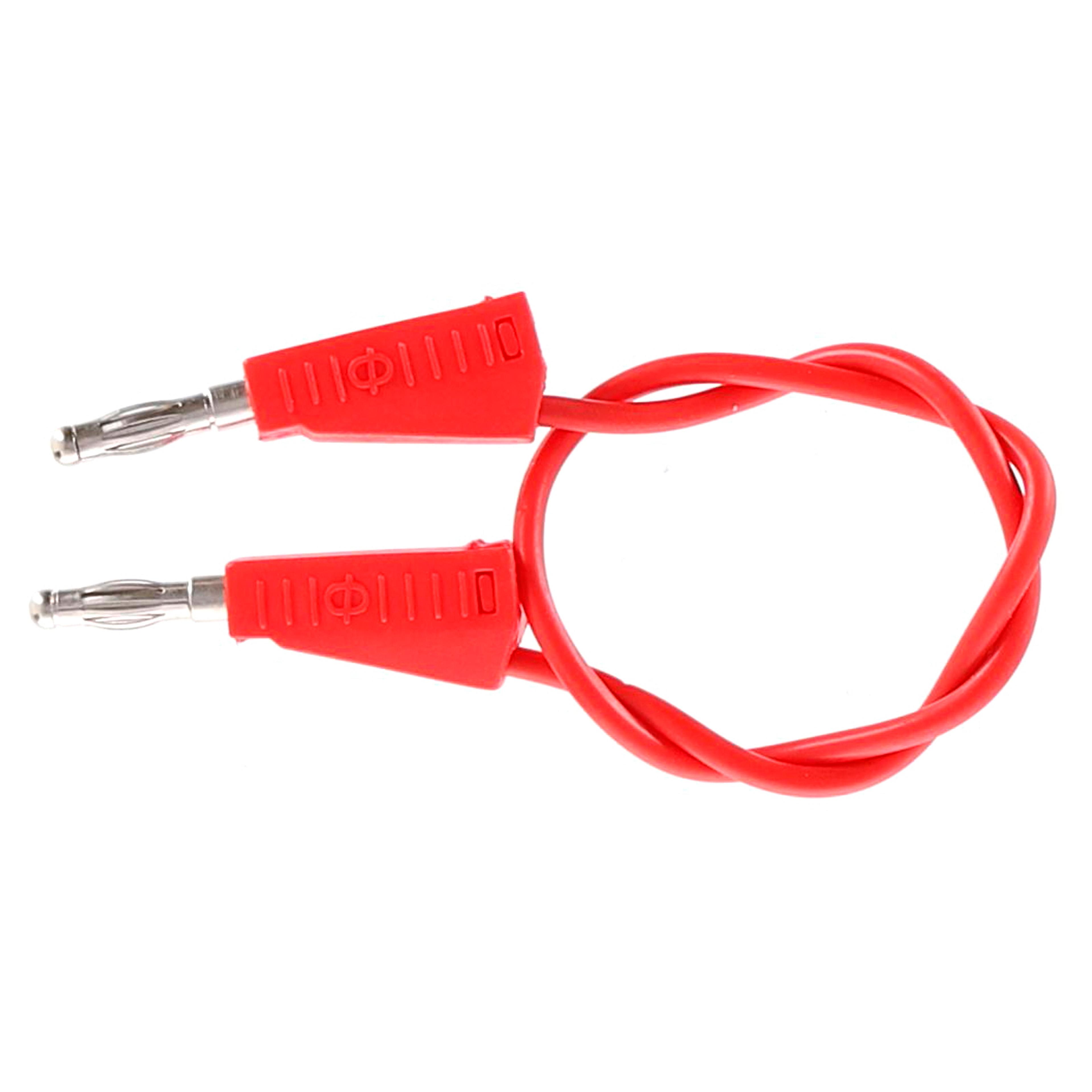
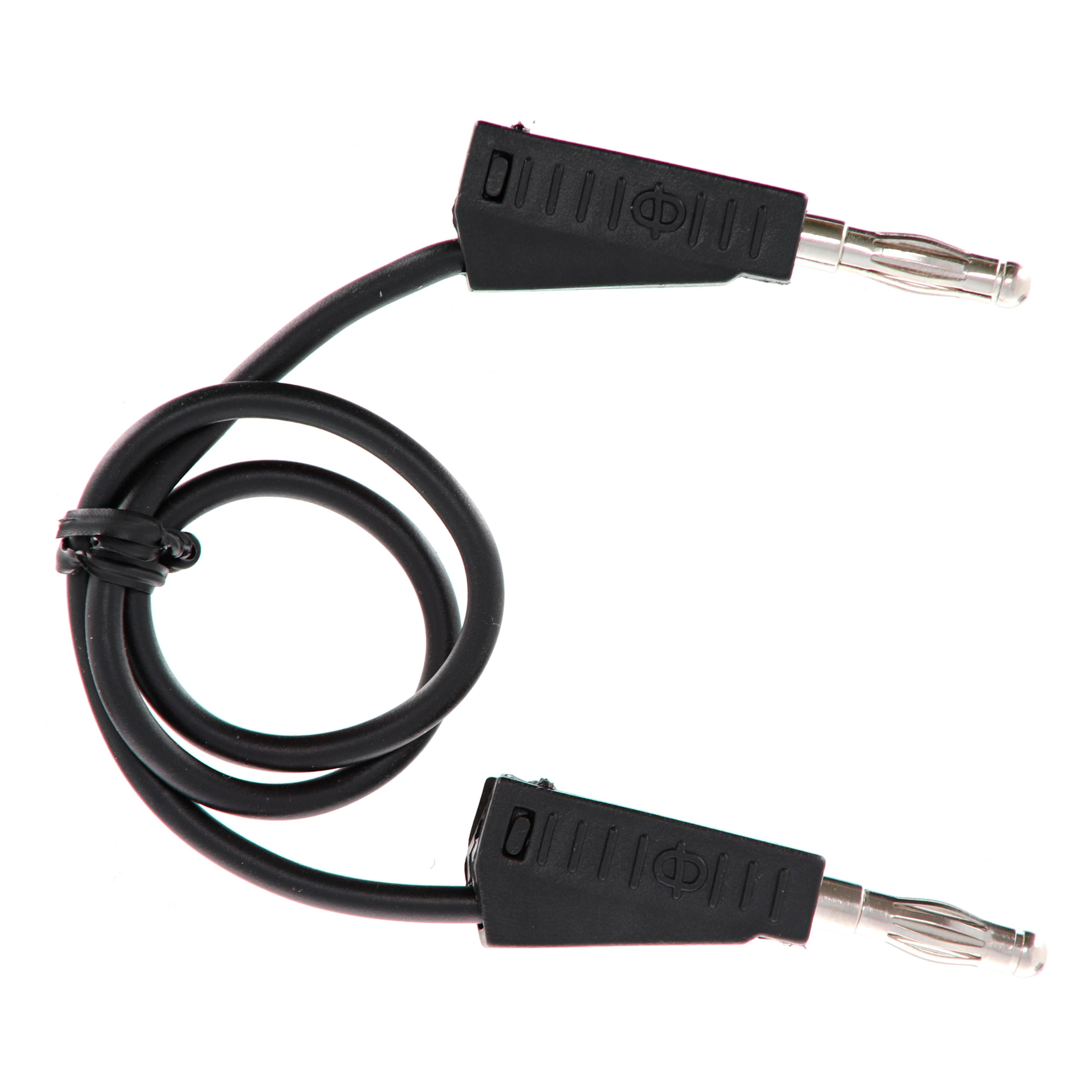
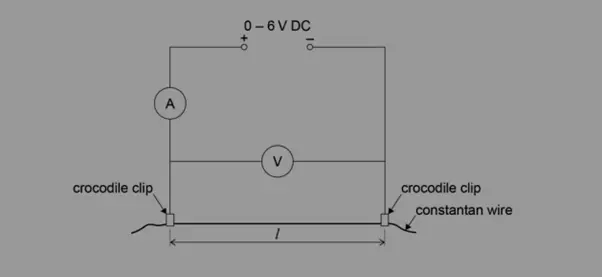
Connect the power supply, ammeter in series with the length of constantan wire in parallel to the voltmeter.
Conducting the experiment
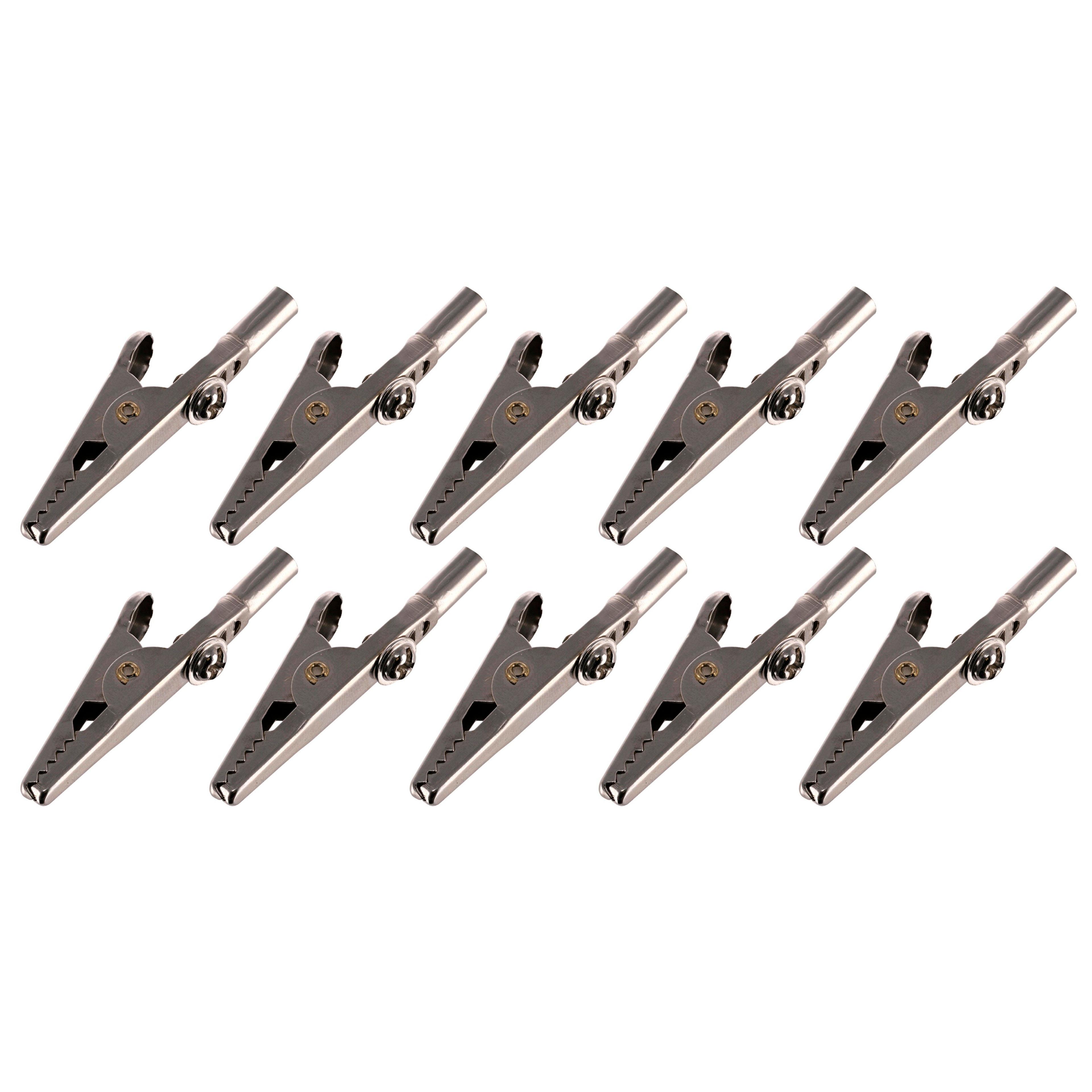
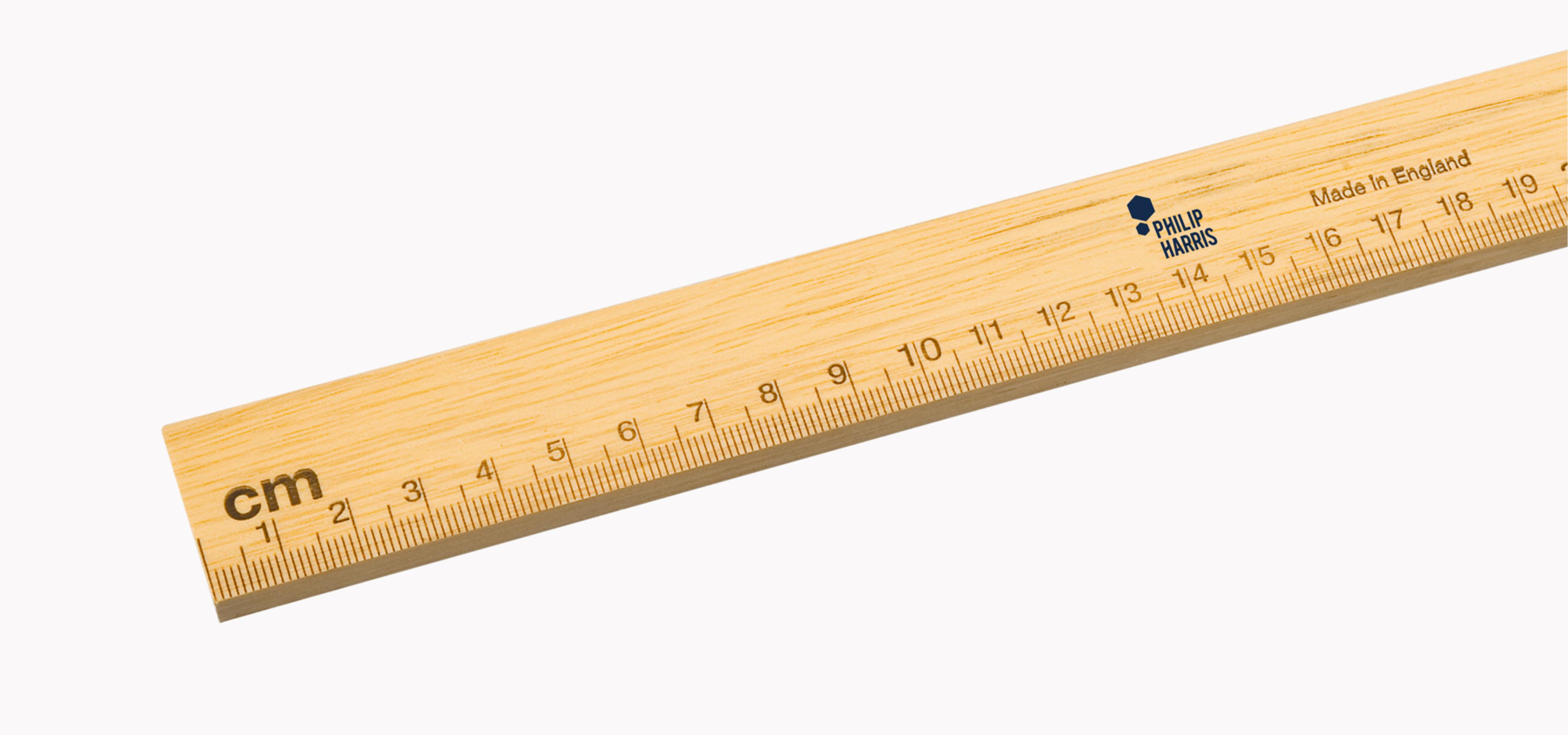
Attach the crocodile clips so that l = 0.100 m measured on the meter ruler.
Set the voltage, V, to 0.5 V and measure the current, I in A.
Calculate the resistance R = V/I in Ω
Repeat the procedure for l = 0.200, 0.300, 0.400, 0.500, 0.600, 0.700 and 0.800 m, increasing V by 0.5 V each time to maintain the current at about 0.5 A.
Repeat the experiment
Obtain a second set of results by repeating the experiment and find the mean value of R for each value of l.
Calculations and Analysis
Plot a graph of the mean R against l.
Draw the best straight line of fit though the points and find the gradient (the graph should be a straight line through the origin).
Calculate the cross-sectional area of the wire A = πd2/4 in m2.
The resistivity of constantan is then
ρ= R A / l
The gradient of the graph gives R/l so
ρ = gradient × A in Ωm (the accepted value is 4.9 × 10⁻⁷ Ωm).

Technician tips
The constantan wire should be free from kinks and held as straight as possible when measuring the length.
The thickness of 0.25 mm has been suggested as this is sufficiently large to measure accurately with the micrometer.
A 10 cm length of the wire will have a resistance of around 1 Ω, which will allow a reasonable accurate determination of its resistance.
Mounting 2 × 4 mm terminals at both ends of the meter ruler will allow easier wire length measurements.
Increasing V by 0.5 V each time will allow a reasonably accurate measurement of the current, without it being so large that the wire is warmed, which may change its resistance. Switching off the power supply between readings will also keep any heating to a minimum
The circuit should be switched off between readings