Electrolysis Chemistry GCSE Practical
Investigate what happens when aqueous solutions are electrolysed using inert electrodes.
In this required practical, students are required to pass an electric current through two different salt solutions. They must identify the elements formed at each of the two electrodes. Students must also draw a fully labelled diagram of their electrochemical cells.
Subject: Chemistry | Level: GCSE |
You will need:
Method
Setup and Preparation
Gather Equipment
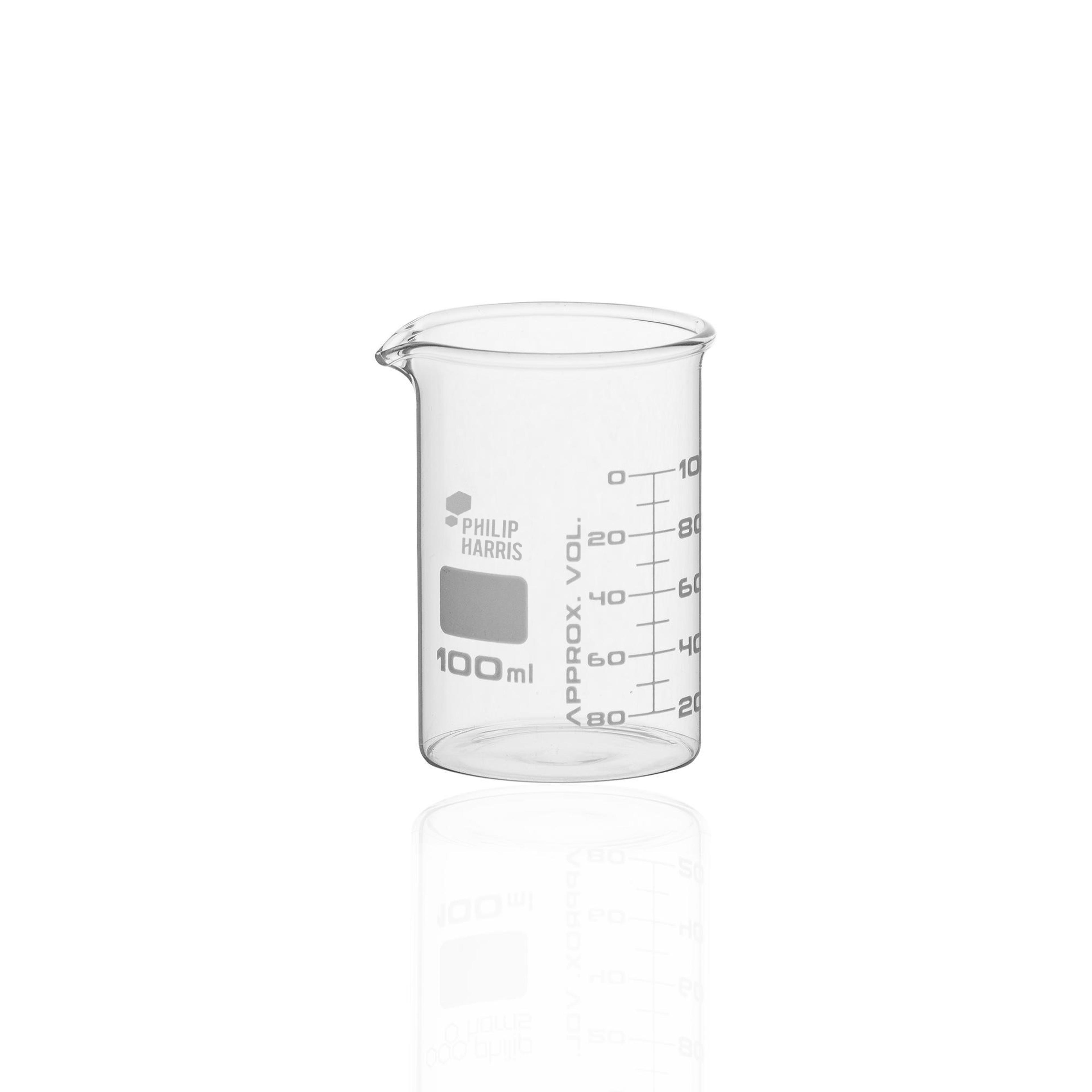
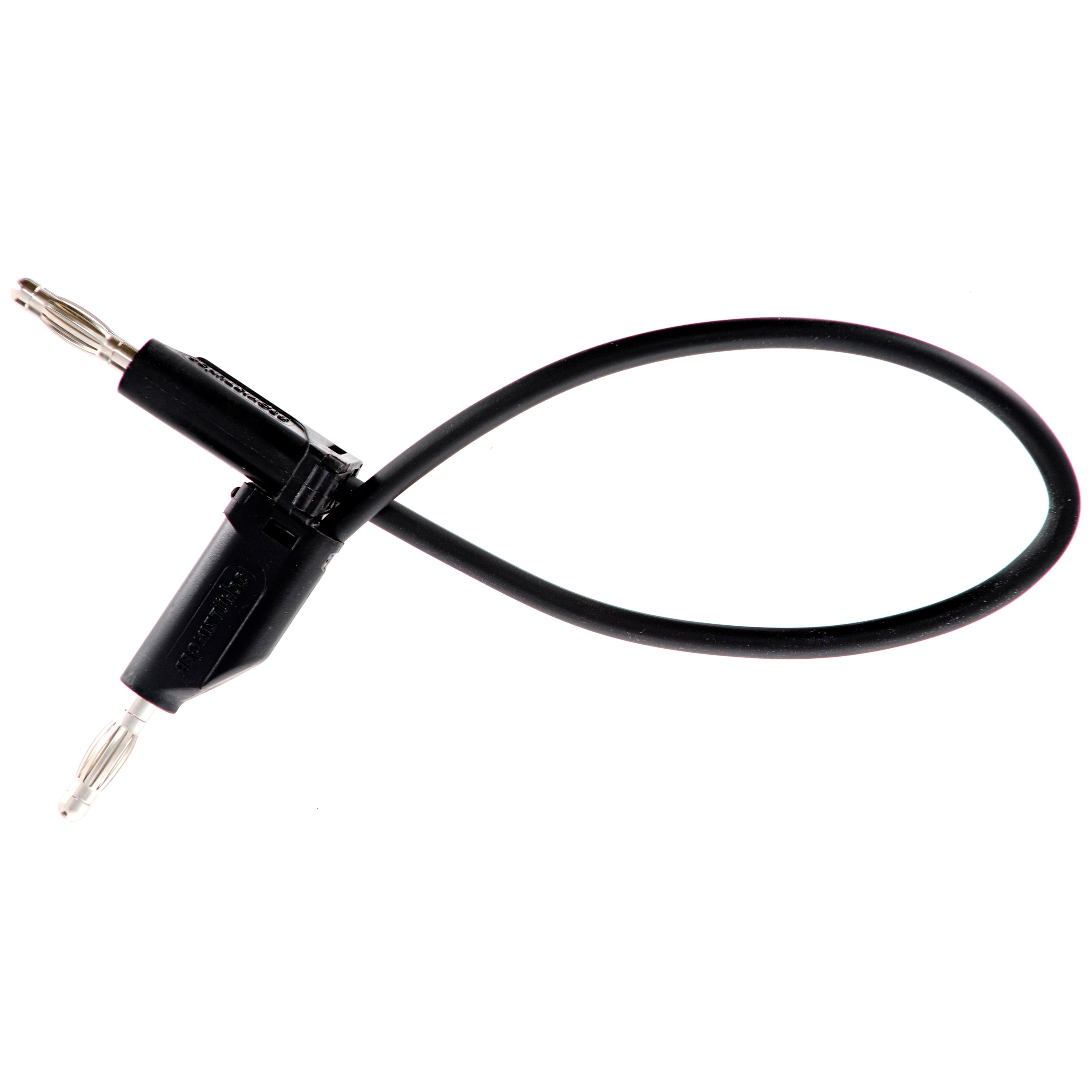
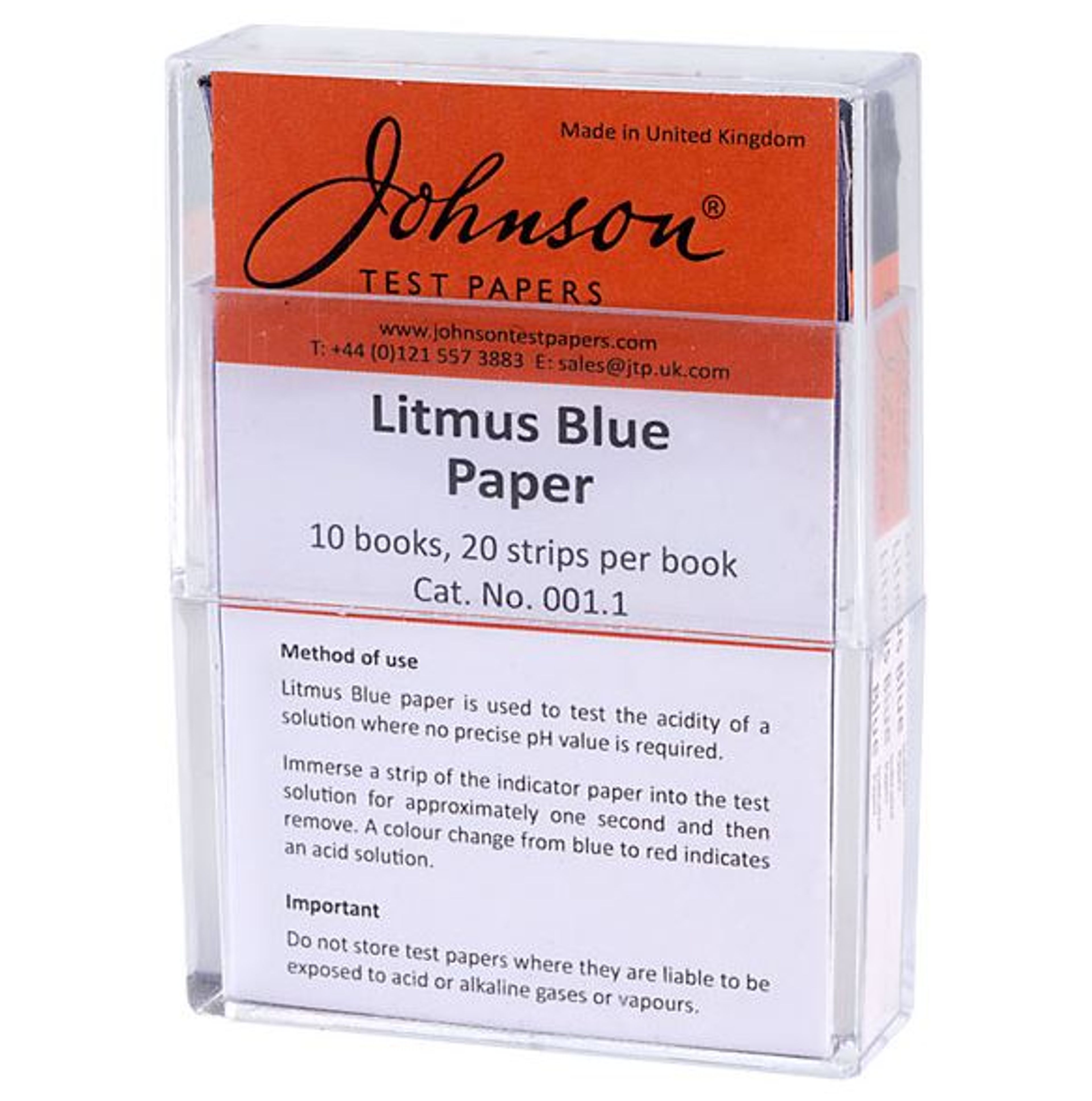
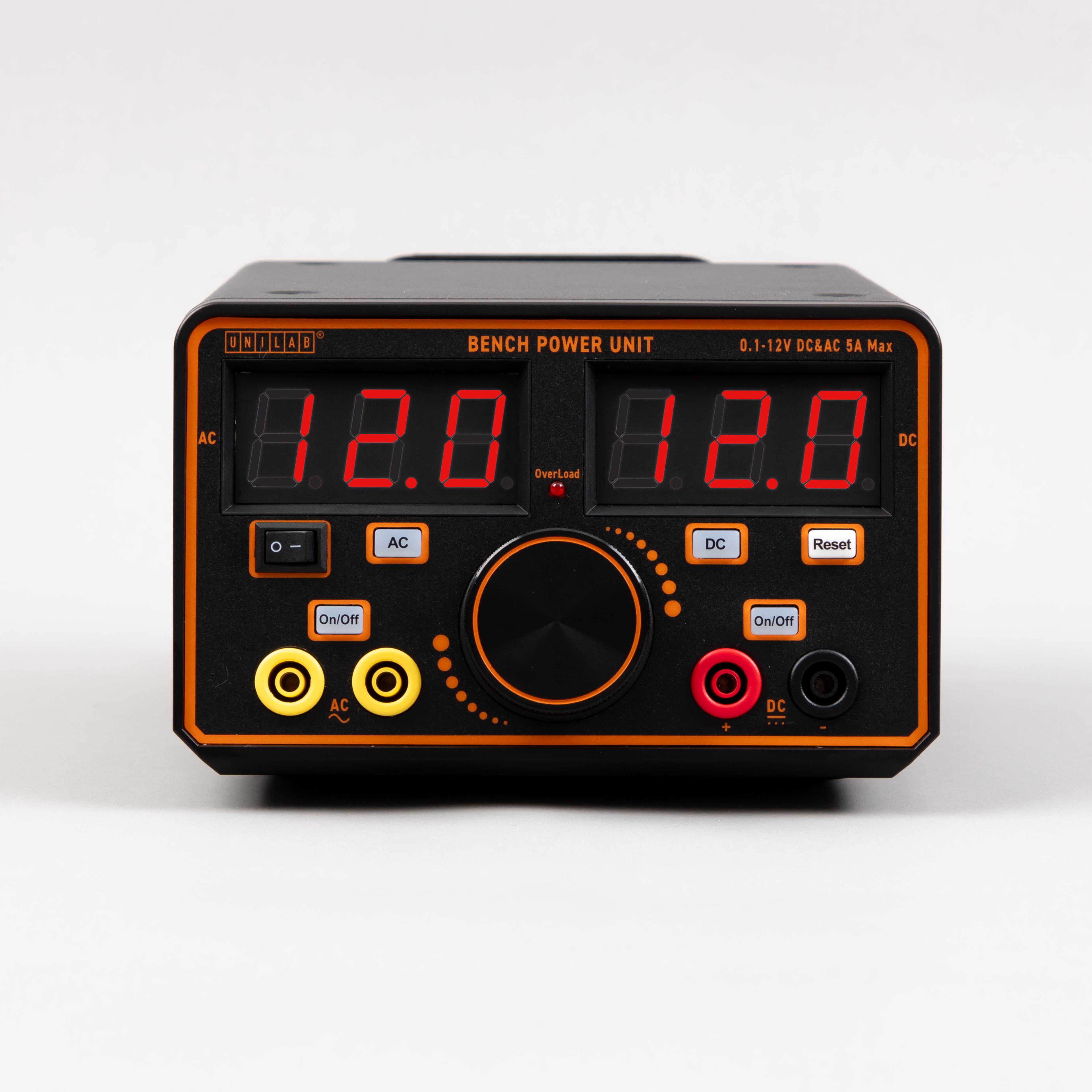
Collect all necessary equipment, including a 100ml beaker, petri dish lid with two pre-made holes, Copper (II) Chloride solution, Sodium Chloride solution, carbon electrodes, crocodile clips, connecting leads, bench power supply, blue litmus paper, and forceps.
Prepare the Beaker
Fill the 100ml beaker to the 50ml mark with Copper (II) Chloride solution.
Assemble the Apparatus
Place the petri dish lid over the beaker, ensuring the holes align for the electrodes.
Insert a carbon electrode through each hole, ensuring the electrodes do not touch.
Connect the Power Supply
Attach crocodile clips to the tops of the electrodes.
Connect the clips to the red and black DC terminals of the bench power supply.
Set the power supply to 4 Volts but do not turn it on yet.
Conducting the Experiment
Start the Electrolysis
Switch on the power supply and observe the reaction at both electrodes.
Record all visible changes in a suitable table.
Test the Anode Reaction
Use forceps to hold a piece of blue litmus paper in the solution next to the positive electrode (anode).
Record observations about the litmus paper and any element formed at the anode.
Turn Off and Clean the Equipment
Switch off the power supply.
Clean all apparatus, ensuring the electrodes are free of any residue.
Repeat with Sodium Chloride Solution
Set Up for Sodium Chloride
Replace the Copper (II) Chloride solution with Sodium Chloride solution, filling the beaker to the 50ml mark.
Insert new carbon electrodes as before and reassemble the apparatus.
Repeat the Process
Switch on the power supply and observe the reaction at both electrodes.
Record your observations in the table.

Technician tips
• To make a 0.5M solution of Sodium Chloride, 29.22g of salt is dissolved in 1 litre of water.
• To make a 0.5M solution of Copper (ii) Chloride, 85.24g of the powder is dissolved in 1 litre of water
• A home-made electrolysis cell also works well for this required practical. Holes could be made in petri dish lids by heating an item of similar diameter to your electrodes (e.g. the end of a glass or metal rod) and pushing the item through the petri dish lid. The carbon electrodes could be secured further using rubber bungs. The use of bungs would lower the risk of students short circuiting the equipment by allowing the carbon electrodes to touch.